
Bringing a beloved pet into your home means committing to their health and well-being, which often includes navigating various medical needs. One of the most critical aspects of veterinary care is Pet Surgery. Whether it’s a routine procedure like spaying or neutering, or a more complex intervention, understanding what to expect and where to seek expert care is paramount for every pet owner. This guide delves into the essential aspects of pet surgery, highlighting a unique service that combines high-quality care with invaluable veterinary education.
The UC Davis Veterinary Medical Teaching Hospital (VMTH) offers a specialized Community Surgery Service, distinct from their advanced Soft Tissue and Orthopedic Surgery units. This service provides an exceptional opportunity for fourth-year veterinary students to gain hands-on surgical experience under the close supervision of seasoned UC Davis faculty veterinarians. This ensures that while students are learning, your pet receives compassionate and expert care. The program’s core mission is to deliver life-enhancing or even life-saving surgical care to animals within the community, all while fostering a positive and empowering learning environment for future veterinary professionals.
Unveiling the Community Surgery Service: Procedures and Mission
The Community Surgery Service at UC Davis VMTH stands as a beacon for accessible and high-quality pet surgery. It is meticulously designed to offer a range of common and necessary surgical procedures, playing a crucial role in both animal welfare and veterinary education. The service ensures that no experiments are ever conducted on VMTH patients, and no procedures are performed without the owner’s explicit consent, maintaining the highest ethical standards. This commitment to patient safety and ethical practice is a cornerstone of the service’s reputation.
The service performs a variety of procedures, from routine interventions to more intricate operations. Cases are carefully selected to ensure they are appropriate for student involvement, providing valuable learning opportunities without compromising patient outcomes. If a case is deemed too complicated for this service, patients are seamlessly referred to the VMTH’s dedicated Soft Tissue Surgery or Orthopedic Surgery Services, which are equipped for the most complex veterinary surgical needs. This collaborative approach guarantees that every pet receives the most appropriate level of care.
Surgical Procedures Offered
The Community Surgery Service handles a broad spectrum of pet surgery procedures, including:
- Cystotomy (bladder stone removal)
- Digit amputation
- Elective gastropexy (stomach tacking)
- Enterotomy (intestinal incision)
- Enucleation (eye removal)
- Excisional biopsy
- Exploratory celiotomy (abdominal exploration)
- Gastrotomy (stomach incision)
- Inguinal hernia repair
- Limb amputation
- Mastectomy (mammary gland removal)
- Skin mass excision
- Splenectomy (spleen removal)
- Tail amputation
- Umbilical hernia repair
Routine procedures like spays, neuters, and elective gastropexies typically allow for same-day discharge. However, more complex pet surgery procedures necessitate a two-night stay at the hospital, one night before and one night after the surgery, to ensure adequate pre-operative evaluation and post-operative recovery.
Patient Requirements for Pet Surgery with the Community Service
To ensure the safety and well-being of all animals, and to provide the best learning experience for students, specific patient requirements are in place for the Community Surgery Service. These guidelines help to streamline the process and ensure that each pet receives care tailored to their needs while contributing to the training of future veterinary experts. Maintaining your pet’s general health, including a balanced diet, can contribute to their suitability for surgery. For guidance on optimal nutrition, consider reading about foods that are good for dogs skin.
The service is primarily designed for medically stable patients, as it does not routinely provide continuous overnight intensive pre- or post-operative care. Cases requiring such intensive monitoring may be hospitalized in the broader VMTH at an additional cost. Furthermore, a reasonable temperament is essential; aggressive animals or feral cats are not accepted, as students are in early stages of clinical techniques and require safe handling of patients.
To be considered for the program, patients must have a medical record from a local primary care veterinarian, documenting an evaluation within the last three months. These records are reviewed by UC Davis clinicians before an appointment is scheduled. The waiting time for an appointment is approximately one month, although a cancellation list is maintained for earlier opportunities.
Pre-Surgical Evaluation and Anesthesia
A basic pre-surgical evaluation is included in the fee for all patients to optimize safety during anesthesia and surgery. However, this is not a substitute for a thorough medical evaluation by your primary veterinarian to confirm a diagnosis before scheduling. All potential patients must be spayed or neutered unless medically contraindicated; the service can add these procedures to most surgeries for a modest additional fee. This commitment helps control pet overpopulation, aligning with broader animal welfare goals.
Anesthesia for all pet surgeries is administered by faculty members of the VMTH’s Anesthesia/Critical Patient Care Service and by registered veterinary technicians. While extensive monitoring technology is used, surgical times can be prolonged due to the teaching nature of the service. Therefore, debilitated patients or those with metabolic diseases are generally not candidates for surgery with the Community Surgery Service. For patients needing a special diet, especially post-surgery, it’s advisable to bring their own food, excluding raw diets. Exploring options like the best all natural dog food could be beneficial for long-term health.
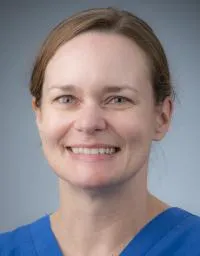 Rebecca Arnold, DVM, Chief of Service, a faculty veterinarian supervising pet surgeries.
Frequently Asked Questions About Pet Surgery at UC Davis
Understanding the intricacies of pet surgery and the specific protocols of a teaching hospital can raise several questions for pet owners. Here, we address some of the most common inquiries regarding the UC Davis Community Surgery Service, providing clarity and peace of mind.
Why does my pet have to stay two nights for some procedures?
Patients undergoing more complicated surgical procedures are admitted the day before surgery to allow veterinary students ample time for thorough pre-operative evaluations. This includes physical examinations, pre-anesthetic bloodwork, and additional tests like X-rays or ultrasounds, all with owner approval. Students also work closely with veterinary anesthesiologists to plan the anesthesia. The overnight stay after surgery ensures your pet is well-recovered from anesthesia, surgical pain is managed effectively, and students have an opportunity to assess their patients the morning after the procedure. However, for routine spays, neuters, and elective gastropexies, discharge is typically on the same day.
Can I use the Community Surgery Service as my primary veterinarian?
No, the Community Surgery Service provides surgical services only. You are strongly encouraged to maintain a relationship with your primary veterinarian for all your pet’s general health needs. If you do not have a primary veterinarian, the VMTH’s Primary Care Service can fulfill this role.
My pet is on a special diet. Should I bring my own food?
Yes, please bring enough for three meals if your pet is on a special diet, excluding raw diets. The service makes every effort to accommodate your pet’s dietary needs during their stay. For puppies, especially those with specific dietary needs, finding the right nutrition is crucial. You can find useful information on best dog food for shih tzu puppy or best store bought wet dog food to ensure your young pet receives optimal care.
My pet is on medications. Should I bring those with me?
Yes, please bring all medications in their original bottles from the prescribing veterinarian or pharmacy; otherwise, they cannot be administered. It’s also crucial to notify the Community Surgery Service coordinator of any medications your pet is receiving when scheduling the appointment.
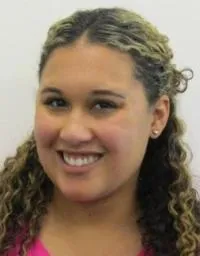 Danielle Randall, RVT, Manager, a key staff member ensuring smooth operations in pet surgery.
Why do I need to send my pet’s medical records before an appointment?
The Community Surgery Service carefully screens patients to ensure the surgery is an appropriate training case for students and that required pre- and post-operative care is reasonable within the service’s scope. Cases requiring advanced surgical skills, those that don’t offer specific learning opportunities, or those needing intensive care may be referred back to your primary veterinarian or to the VMTH’s specialist surgical services. Additionally, pets with medical conditions increasing anesthetic risk might be deemed inappropriate due to potentially longer anesthetic times in a teaching environment.
Do I need a referral from my primary veterinarian?
While a formal referral is not strictly required, communication with your primary veterinarian is vital. Your primary veterinarian is a crucial piece of your pet’s veterinary care, helping the service better understand your pet’s medical history and ensuring the best care continuum before, during, and after pet surgery. You are strongly encouraged to discuss seeking surgery through the Community Surgery Service with your primary vet.
Who will perform the pet surgery on my pet?
The Community Surgery Service is a student surgery training program, meaning fourth and final-year veterinary students perform the surgeries. All procedures are meticulously guided and closely supervised by experienced faculty veterinarians, ensuring a high standard of care and safety.
My pet needs emergency surgery. Can it be done at the Community Surgery Service?
Emergency cases are evaluated on a case-by-case basis. The Community Surgery Service is not equipped for all types of emergencies and cannot provide after-hours surgical services. However, they will endeavor to accept emergency surgery cases when possible. For critical emergencies, the VMTH’s Emergency Room and specialist surgeons are available 24/7, 365 days a year.
I was told my pet’s surgery is not student-appropriate. What does that mean?
A surgery might be deemed inappropriate for students for various reasons, most commonly because it is technically challenging and would benefit from a more experienced surgeon. In such cases, your primary veterinarian may be able to provide the necessary surgical services, or your pet may be referred to the VMTH’s Soft Tissue Surgery Service or Orthopedic Surgery Service, which are staffed by board-certified veterinary surgery specialists with advanced training for complex surgeries.
My dog is in pain and needs pet surgery now. Why can’t I get an appointment sooner?
The Community Surgery Service has a finite surgical capacity and cannot provide all types of surgeries for all animals. While efforts are made to accommodate urgent surgical care, some cases may simply exceed the service’s capacity. It’s recommended to work with your primary veterinarian to explore options for sooner surgery or pain management while awaiting an appointment. For pets needing to maintain their weight and overall health, especially during recovery, offering healthy dog treats for small dogs can be a good way to provide comfort and nutrition.
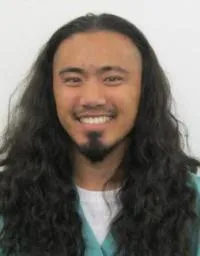 Rodney Santos, RVT, Supervisor, an experienced veterinary technician overseeing surgical support.
I want to have my rabbit spayed. Can I have that done by the Community Surgery Service?
The Community Surgery Service specifically trains students in surgeries on cats and dogs only. For information on rabbit care, including spaying, please contact the VMTH’s Companion Exotic Animal Medicine & Surgery Service.
Do I need to fast my pet before the appointment?
If your pet is scheduled for a spay, neuter, or elective gastropexy, please withhold food after 8 p.m. the night before your appointment. Water does not need to be withheld. For procedures requiring a two-night stay, feed and medicate your pet as usual on the morning of your Community Surgery Service appointment.
How much will my pet’s pet surgery cost and when do I pay?
The cost of each surgery varies based on its complexity and associated care. The Community Surgery Service coordinator will provide an estimated cost when your appointment is scheduled. A written estimate will also be provided by the Community Surgery Service veterinarian at the time of your appointment. Payment for the full estimated cost is due when your pet is discharged from the hospital after surgery.
Can my intact dog (un-spayed/un-neutered) have surgery with the Community Surgery Service?
All Community Surgery Service patients must be spayed or neutered unless medically contraindicated. The service can add a spay or neuter procedure to most surgeries for a modest additional fee, aligning with its commitment to controlling pet overpopulation.
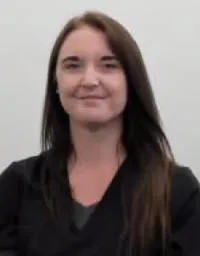 Sara Wren, RVT, Lead Technician, providing expert care and assistance during pet surgery procedures.
The Dedicated Team Behind Your Pet’s Surgery
The success and reputation of the Community Surgery Service at UC Davis VMTH are built upon the expertise and dedication of its faculty and staff. These individuals not only provide exceptional care but also serve as mentors, shaping the next generation of veterinary surgeons. Their commitment ensures that every pet surgery is handled with the utmost professionalism and compassion.
Faculty
- Rebecca Arnold, DVM: Chief of Service
- Elizabeth Montgomery, DVM, MPH
- Matthew Prator, DVM
- Kat Troy, DVM
These faculty veterinarians bring a wealth of experience and knowledge to the service, closely supervising every student-performed surgery and assisting with more challenging cases. Their oversight is crucial for maintaining high standards of care and education.
Staff
- Danielle Randall, RVT: Manager
- Rodney Santos, RVT: Supervisor
- Sara Wren, RVT: Lead Technician
- Tarryn Bertoglio, RVT
- Michelle Bristow, RVT
- Santana Garcia, RVT
- Natalie Litton, RVT
- Kierstin Riley, RVT
- Jessica Fraser: VMLF Community Surgery Coordinator
The registered veterinary technicians (RVTs) and administrative staff are integral to the smooth operation of the Community Surgery Service. They provide essential support, from patient preparation and anesthesia monitoring to post-operative care and client communication, ensuring a comprehensive and positive experience for both pets and their owners.
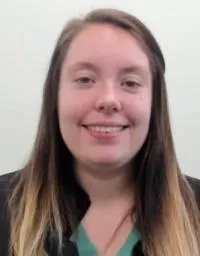 Tarryn Bertoglio, RVT, a registered veterinary technician contributing to high-quality pet care.
Conclusion: Partnering for Your Pet’s Surgical Care
Navigating the world of pet surgery can be a stressful experience for any owner, but services like the UC Davis Community Surgery Service offer a pathway to high-quality care, rooted in both expertise and compassion. By understanding the mission, procedures, and requirements of such a service, pet owners can make informed decisions about their beloved companions’ health. The combination of experienced faculty supervision and the rigorous training of future veterinarians ensures that your pet receives excellent surgical attention while contributing to the advancement of veterinary medicine. Always remember to consult with your primary veterinarian to determine the best course of action for your pet’s specific surgical needs and to maintain their overall health.
