
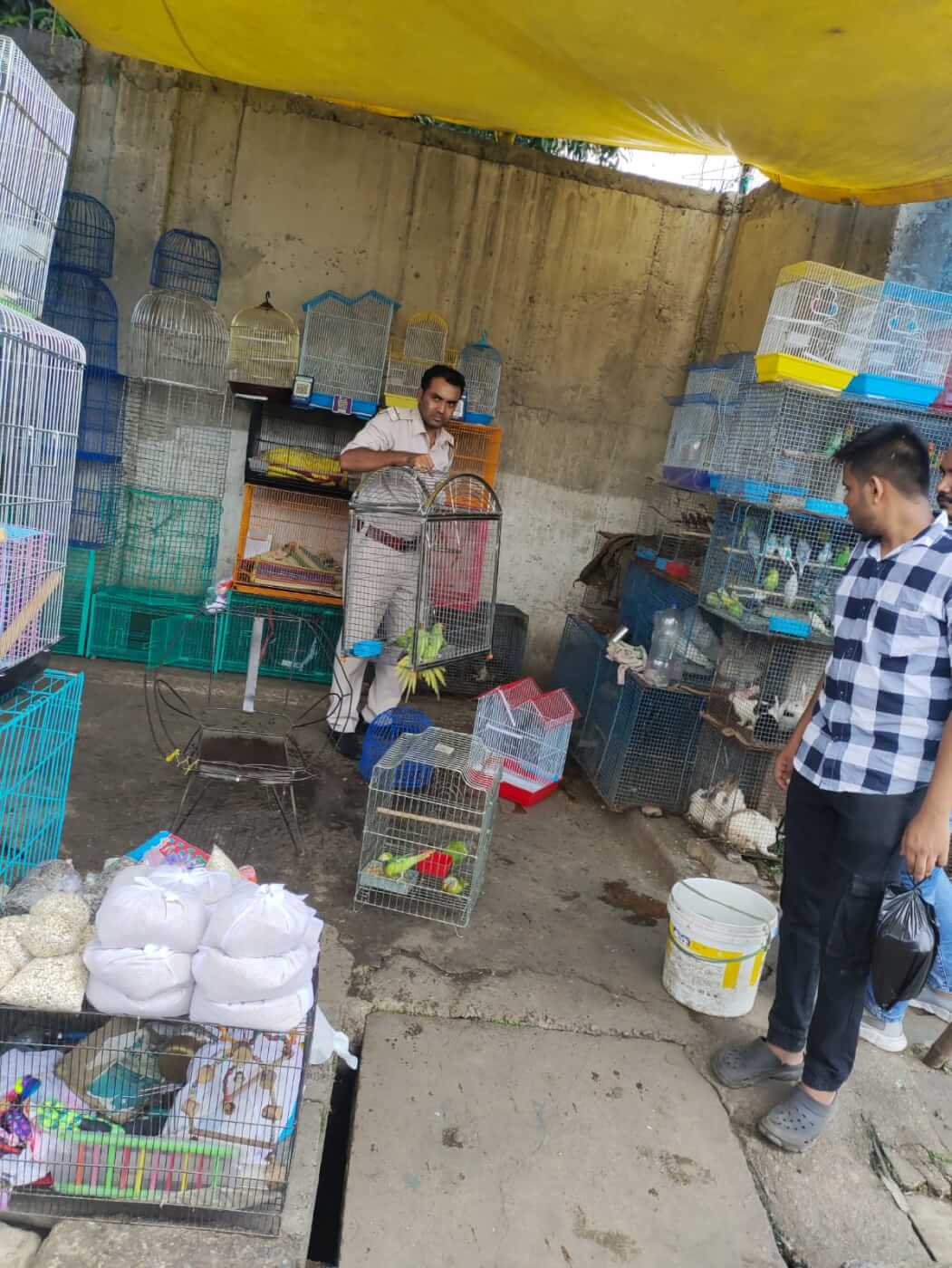
Bringing a parrot into your home is a significant commitment, requiring a deep understanding of their complex needs. While not all pet shops are inherently malicious, the environment they often provide is ill-suited for these intelligent and sensitive creatures. The background of a bird profoundly impacts its adaptability, confidence, and overall well-being, and unfortunately, parrots acquired from pet shops frequently face significant challenges. This article will explore why pet shops are not the ideal place for parrots and what measures can be taken to improve their welfare.
The unique personalities and backgrounds of birds are crucial to their development. From Mishka, the cockatiel with a penchant for singing, to Pip, the cheerful eater, and Ptak, the ferocious parrotlet with a surprisingly gentle side, each bird is an individual. This individuality extends to their adaptability and confidence, which are heavily influenced by their early experiences. Parrots, in particular, possess a high level of intelligence and sensitivity that demands specific and demanding care requirements. Failure to meet these needs can lead to behavioral problems stemming from the bird’s suffering, often resulting in relinquishment, resale, or neglect.
Health Risks Associated with Pet Shop Parrots
One of the primary concerns with pet shop birds is their increased likelihood of carrying diseases. Even if they do not originate from factory-farming situations, they often come from breeders. Birds that are weak, potentially sick, or not suitable for breeding stock may be the ones who end up in pet shops. This was the case with our own sweet Charlie, who, along with Pip, came to us in rough condition. Despite receiving veterinary treatment, we tragically lost him. This experience underscores the heartache and loss that can arise from acquiring a bird with underlying health issues.
The Role of Pet Shops in Educating Buyers
Pet shop owners, driven by the need to make a living, are often less inclined to thoroughly educate potential buyers about the realities of parrot ownership. While their goal is to sell, this financial motivation can overshadow the critical need to ensure potential owners understand the demanding care requirements of parrots. When these needs are not met, behavioral problems manifest, causing distress to the bird. Such situations can regrettably lead to birds being relinquished to rescues, resold, or left in suboptimal conditions.
Understanding the Psychological Impact of Pet Shop Environments
Parrots originating from pet shops, especially those of lower standards, frequently suffer from a host of individual issues. They may not be hand-tamed and have had minimal positive interaction with humans. The process of transfer from aviary to shop, and then to a new home, can involve rough handling, leaving lasting negative impressions. Birds, and parrots especially, have long memories. Our cockatiel, Mishka, continues to be affected by her past experiences.
The stressful stimuli present in a typical pet shop environment can significantly harm a bird’s health and mental stability. Constant loud noises, artificial lighting, inadequate nutrition, the unsettling presence of unfamiliar faces, and suboptimal caging conditions can all take a toll. Furthermore, the abrupt separation from cage-mates upon purchase, the only familiar entities, and the subsequent introduction to a new home, cage, diet, and curious human fingers, can be overwhelming. These cumulative stressors can predispose birds to problems later in life.
Behavioral Differences: Mishka’s Case Study
Mishka, our pet shop cockatiel, exhibits neurotic behaviors that highlight the long-term effects of her background. While training and time have gradually built her confidence, the difference between her and our hand-raised parrotlet and Senegal parrot is evident in her every action. She prefers her independence, which is wonderful, but can also be described as somewhat unstable. Even today, she displays a strong aversion to fingers, often reacting with significant distress. While this is slowly improving and she can happily step onto wrists, it serves as a symptom of deeper-seated issues.
Certain unpredictable triggers can cause Mishka to exhibit sudden, erratic behaviors, such as rapidly flying around the ceiling and shrieking. While not necessarily aggressive or fearful, this appears to be a way of expending excess energy. However, she requires a period to calm down afterward, or she may bite. Her fear of various stimuli, particularly people, is a significant challenge. Extensive training has helped her overcome fears of things like toys. It took us six months simply to establish a baseline level of trust, and even now, she retains a “wild streak.” Those initial months were fraught with anxiety, as we were uncertain if we would ever be able to tame her or if she would live her entire life in paralyzing fear of us.
Our cockatiel is even more inclined towards wild behaviors than our other birds, a testament to the power of instinct. She consistently reminds us of the trust that had to be painstakingly built, and how easily it can be jeopardized. It’s important to note that not all aspects of Mishka’s background are negative. For instance, she has never displayed sexual behavior towards humans, unlike our hand-raised Senegal parrot, Maverick, who exhibits protective behavior towards the author, perceiving her as his mate. Even Ptak, our parrotlet, has occasionally engaged in mating rituals. However, these isolated positive points do not negate the significant drawbacks associated with Mishka’s pet shop upbringing. This leads to a broader discussion about hand-reared versus parent-raised parrots.
Alarming Statistics and the Need for Change
Statistics paint a grim picture for parrots in captivity. An astounding 75% of parrots in the United States are living in less-than-suitable conditions, and it’s estimated that the average parrot will change homes 5-10 times within its first seven years of life. Many of these transitions are likely initiated by well-meaning individuals who are captivated by a bird’s appearance in a pet shop display, without fully understanding the commitment involved. The persuasive tactics of sales staff can further exacerbate this issue, leading to impulsive purchases and a lack of comprehensive information about bird ownership.
Recommendations for Improving Parrot Welfare
While a complete cessation of animal sales by pet shops might be unrealistic, significant improvements are necessary for the well-being of companion parrots. Stricter requirements for shops selling birds should be implemented. These could include mandatory veterinary checks for all incoming animals, a commitment to sourcing birds from legitimate, small-scale breeders, and providing superior temporary living conditions that incorporate enrichment activities.
Crucially, pet shops that continue to sell birds must prioritize educating potential buyers about the realities of parrot ownership. They need to actively discourage casual purchases driven solely by aesthetic appeal and instead focus on matching birds with owners who are prepared for the significant commitment.
A Call to Action: Responsible Consumerism
Every bird faces an uphill battle to thrive in a human home, but those from pet shop backgrounds often face even greater challenges. To curb the problematic practices of less-than-stellar pet shops, consumers must not only make their voices heard but also refrain from purchasing birds from such establishments. Even when faced with a visibly abused or sickly parrot, the compassionate response is not to “rescue” it by buying it, as this only perpetuates the cycle of business. The same situation will likely arise with another bird.
While the emotional toll of witnessing such conditions is immense, the most effective way to create lasting change is to decline the purchase and channel that energy into advocacy and education. Supporting pet shops and breeders who demonstrate a genuine commitment to the well-being of their birds and who actively educate their customers is paramount. By making informed choices and advocating for better standards, we can collectively contribute to a future where all companion parrots have the opportunity to lead healthy and fulfilling lives.
What are your thoughts on pet shops selling parrots? Share your experiences and opinions in the comments below.
References
- Feathered Friend Rescue. “The Displaced Parrot.” Feathered Friend Rescue, http://featheredfriendsrescue.org/the-displaced-parrot.html. Accessed January 11, 2026.
