
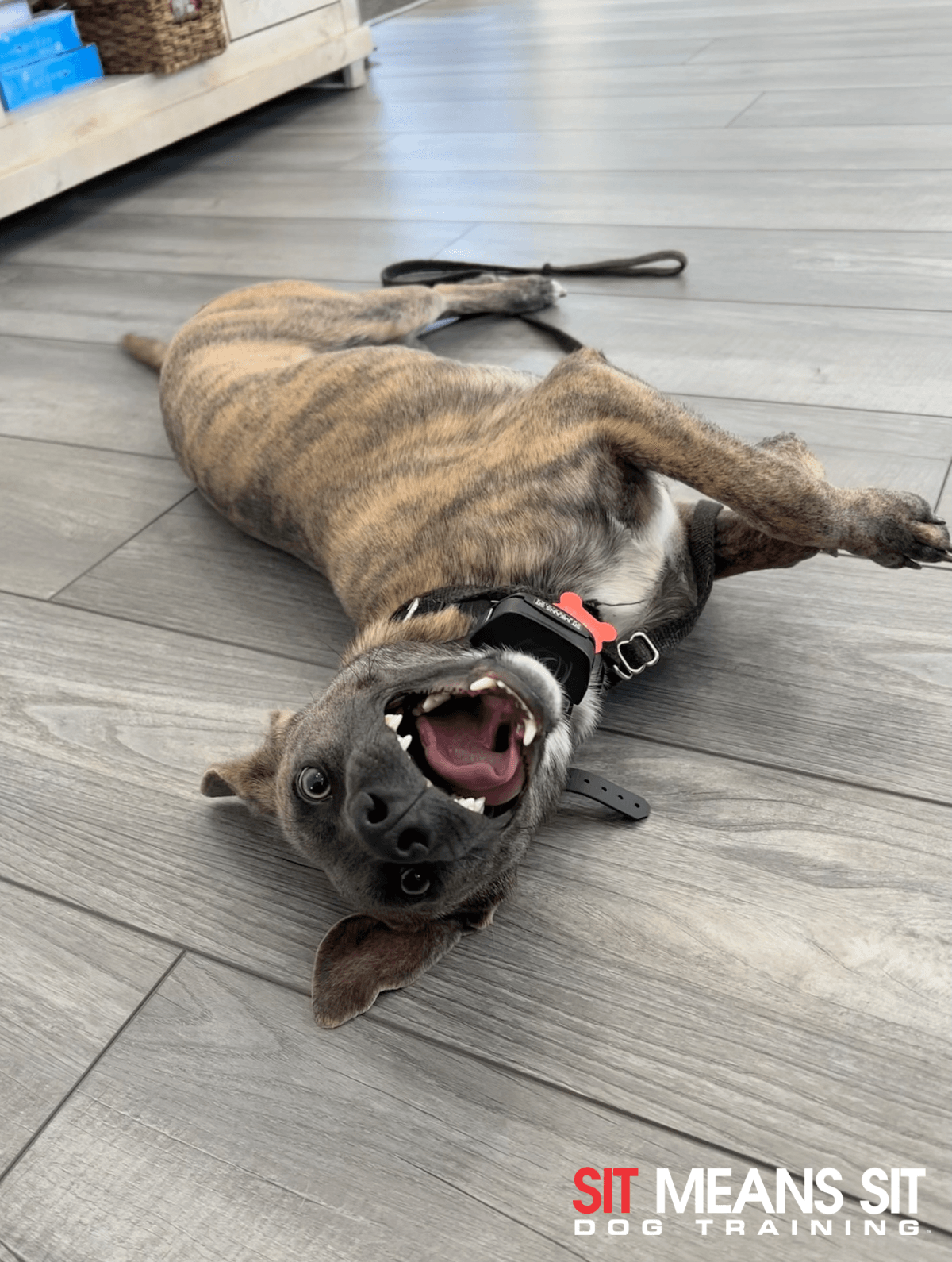
Welcome to the ultimate guide for embarking on a rewarding journey with your furry friend! If you’re looking to transform your energetic pup into a well-behaved companion, understanding the principles of effective dog training is key. This guide delves into the world of “Pet Paradise Dog Training,” offering insights and practical advice to foster a harmonious relationship between you and your dog. We’ll explore everything from foundational obedience to advanced techniques, ensuring your dog thrives in a loving and structured environment. Let’s dive in and create your own pet paradise, one command at a time.
Understanding the Essence of Dog Training
Dog training is more than just teaching tricks; it’s about clear communication, building trust, and establishing a mutual understanding between human and canine. At its core, effective training relies on positive reinforcement, a method that rewards desired behaviors, making them more likely to occur again. This approach not only fosters a strong bond but also makes the learning process enjoyable for your dog. When training, consistency is paramount. Regular, short training sessions are far more effective than infrequent, lengthy ones.
The Power of Positive Reinforcement
Positive reinforcement involves rewarding your dog immediately after they perform a desired action. This reward can be anything your dog values, such as a tasty treat, verbal praise, a favorite toy, or a good petting session. The key is to make the reward immediate so your dog clearly associates the action with the positive outcome. This method encourages your dog to eagerly participate in training and strengthens the human-animal bond.
Why Consistency is Crucial
Dogs thrive on routine and predictability. Consistent commands, rules, and reward systems help your dog understand what is expected of them. Inconsistent training can lead to confusion and frustration for both you and your pet. Ensure all members of the household are on the same page regarding training commands and house rules to avoid mixed signals.
Essential Foundations for Pet Paradise Dog Training
Before diving into specific commands, it’s vital to establish a solid foundation. This includes socialization, basic obedience, and understanding your dog’s individual needs and breed characteristics.
Socialization: Building a Confident Canine
Early and proper socialization is critical for developing a well-adjusted dog. Exposing your puppy to a variety of sights, sounds, people, and other well-behaved dogs in a positive way during their critical developmental period (typically between 3 to 14 weeks) helps prevent fear-based behaviors and aggression later in life. This ensures they can navigate different social situations with confidence.
Basic Obedience: The Building Blocks of Good Behavior
Commands like “sit,” “stay,” “come,” and “down” are the cornerstones of dog training. Mastering these commands not only provides a framework for more complex training but also ensures safety in various situations. For instance, a reliable “come” command can prevent your dog from running into danger.
- Sit: A fundamental command that teaches impulse control.
- Stay: Crucial for safety, teaching your dog to remain in a specific spot.
- Come: The most important safety command, ensuring your dog returns to you when called.
- Down: A calming command that can help your dog relax.
Understanding Breed-Specific Needs
Different breeds were developed for various purposes, and these traits can influence their training needs and tendencies. For example, herding breeds might be prone to nipping or herding small children, while scent hounds may be easily distracted by smells. Understanding your dog’s breed can help you tailor your training approach.
Advanced Techniques and Fun Tricks
Once your dog has mastered the basics, you can explore more advanced training techniques and fun tricks to further strengthen your bond and provide mental stimulation.
Leash Training: Enjoying Walks with Confidence
Proper leash training ensures that walks are a pleasure, not a struggle. Start by getting your dog accustomed to wearing a collar or harness, followed by introducing the leash. Reward loose-leash walking, where your dog walks calmly beside you without pulling. This not only makes walks more enjoyable but also prevents potential injuries to both of you.
House Training: Patience and Persistence
House training requires patience and a consistent routine. Take your puppy out frequently, especially after waking up, after meals, and before bedtime. Reward them immediately when they eliminate in the appropriate spot. Accidents will happen, but clean them up thoroughly without punishing your dog, as this can lead to fear and hiding their elimination habits.
Teaching Fun Tricks
Teaching tricks like “paw,” “roll over,” or “play dead” is a great way to engage your dog mentally and physically. These tricks build on basic obedience cues and further enhance your dog’s problem-solving skills and your communication. Remember to keep sessions short, fun, and rewarding.
Addressing Common Behavioral Challenges
Even with the best training, some behavioral challenges may arise. Identifying the root cause and employing the right strategies can help resolve these issues.
Crate Training: A Safe Haven for Your Dog
Crate training can be an invaluable tool for house training, providing a safe den for your dog, and preventing destructive behavior when unsupervised. Introduce the crate gradually, making it a positive place associated with treats and comfort. Never use the crate as a form of punishment.
Overcoming Separation Anxiety
Separation anxiety is a common issue where dogs become distressed when left alone. Signs include excessive barking, destructive behavior, and house-soiling. Gradual departures, providing engaging toys, and establishing a calm leaving and returning routine can help manage this anxiety. If the problem is severe, consult a professional dog trainer or a veterinary behaviorist.
Managing Barking
Excessive barking can stem from various causes, including boredom, fear, attention-seeking, or territoriality. Identifying the trigger is the first step. For attention-seeking barking, ignore the behavior and reward quietness. For other types of barking, providing more exercise, training “quiet” commands, and addressing underlying fears can be effective.
The Role of Nutrition and Health in Training
A healthy body supports a healthy mind. Proper nutrition and regular veterinary care are fundamental to your dog’s overall well-being and their ability to learn and respond to training.
Choosing the Right Diet
A balanced diet tailored to your dog’s age, breed, and activity level is essential. High-quality dog food provides the energy and nutrients needed for optimal physical and cognitive function. Discuss dietary options with your veterinarian to ensure your dog is receiving the best nutrition.
The Importance of Veterinary Check-ups
Regular veterinary check-ups are crucial for catching potential health issues early. A healthy dog is more likely to be an engaged and responsive learner. Ensure your dog is up-to-date on vaccinations and parasite prevention.
Creating Your Dog’s Paradise: A Lifelong Commitment
Training your dog is an ongoing process that deepens your relationship and enriches both your lives. By applying positive reinforcement, consistent effort, and a deep understanding of your dog’s needs, you can create a true “pet paradise” where your canine companion thrives. Remember that every dog is an individual, and celebrating their unique personality while guiding them with love and clear boundaries is the path to a happy, well-behaved dog and a harmonious home. Embrace the journey, enjoy the small victories, and cherish the incredible bond you build along the way.
