
Choosing the right cat breed for your home in India involves more than just aesthetics. It requires careful consideration of your daily routine, living space, and the local climate. While many popular breeds are admired globally, not all are suited for India’s heat and humidity. This guide explores the top cat breeds that adapt well to Indian conditions and highlights those that may pose challenges, helping you make an informed decision for a happy and healthy feline companion. Understanding the maintenance, health risks, nutritional needs, and climate suitability of your desired cat breed before bringing a kitten home is crucial for their well-being.
Popular Cat Breeds Well-Suited for India’s Climate
Several cat breeds have proven to be resilient and adaptable to the Indian environment, thriving in its unique climate conditions.
Persian Cat
Originally from Persia (modern-day Iran), Persian cats are known for their long, luxurious coats, flat faces, and large, expressive eyes. Their gentle and laid-back nature makes them ideal lap cats who prefer a calm lifestyle. While their long coats and flat faces require significant grooming and can lead to respiratory and eye issues, they can comfortably adapt to Indian homes with proper air-conditioning and consistent care. Regular facial cleaning and brushing are essential to prevent matting and maintain their health.
Siamese Cat
Native to Thailand, Siamese cats are instantly recognizable by their striking blue eyes and distinctive dark “points” on their ears, face, paws, and tail. These cats are highly affectionate, intelligent, and social, often described as the “extroverts” of the feline world. They thrive on attention and vocal interaction, making them perfect companions for families who spend ample time at home. Siamese cats are generally adaptable to Indian climates due to their short coat, but owners should be aware of potential health predispositions like progressive retinal atrophy and FLUTD.
Himalayan Cat
A beautiful crossbreed between the Persian and Siamese, Himalayan cats inherit the long, dense coat and point coloration of the Persian with the striking blue eyes of the Siamese. They are calm, affectionate, and prefer serene environments. Similar to Persians, their flat faces can lead to breathing issues, and their luxurious coat demands extensive grooming and regular eye cleaning. Keeping them in cool, air-conditioned spaces is recommended for comfort in India’s heat.
Bengal Cat
Despite their name, Bengal cats originated in the US, developed by crossing Asian Leopard Cats with domestic breeds. They are known for their striking spotted coats, reminiscent of wild leopards. Bengals are energetic, love to climb, and require ample playtime and mental stimulation. Their short coat means minimal grooming is needed, and they are often considered a good option for those seeking a relatively hypoallergenic breed. However, their high energy levels mean they need active households with plenty of toys and climbing opportunities. They can be prone to certain health conditions like HCM and Bengal progressive retinal atrophy.
Maine Coon
Recognized as one of the largest domestic cat breeds, Maine Coons possess a muscular build, tufted ears, and a famously bushy tail. They are known for their affectionate, almost dog-like personalities and love companionship. Their thick, water-repellent coat is well-suited for colder climates, meaning they may require extra care and cooling measures in India’s heat. Regular grooming is essential to prevent matting of their dense fur.
Bombay Cat
Named after Mumbai, India, Bombay cats are characterized by their sleek, completely black coats and striking yellow to copper-golden eyes. These elegant, social, and adaptable cats are energetic with a strong hunting drive. They form deep attachments to their humans and can be attention-seeking. Their short coat makes them well-suited for the Indian climate and requires minimal maintenance. Bombays are generally healthy, with potential risks including sinus problems and gingivitis.
British Shorthair
Originating from the UK, the British Shorthair is a sturdy, medium-to-large cat with a dense, plush coat. They are known for their calm, independent, yet affectionate nature, making them excellent choices for apartment dwellers and novice cat owners. While generally hardy, they can be prone to obesity, heart disease, and polycystic kidney disease. Their short, thick fur sheds year-round, requiring occasional grooming. They can manage moderate Indian climates but benefit from cool indoor environments during peak summer.
American Shorthair
Consistently ranking among the world’s most popular breeds, the American Shorthair is admired for its endearing appearance—a larger head, rounded eyes, a short nose, and a stocky build. Their short coat necessitates minimal grooming, making them suitable for busy households. These healthy, low-shedding cats adapt well to Indian homes, are playful, and enjoy interacting with their families. A notable health concern is their predisposition to feline polycystic kidney disease. Their tolerance for heat and sturdy health make them a strong contender for Indian climates, with a long average lifespan.
Sphynx Cat
Distinctly hairless, the Sphynx cat, developed in Canada, boasts large ears, wrinkled skin, and an energetic, playful, and affectionate demeanor. They thrive on human companionship and require frequent feeding due to their high metabolic rate. In India, Sphynx cats need regular bathing and moisturizing to prevent skin dryness. They are prone to heart disease, skin infections, and dental issues. While they can adapt to indoor living, protection from direct sunlight is crucial to prevent sunburn and skin damage.
Ragdoll Cat
Developed in the US, Ragdolls are famous for their stunning blue eyes, semi-long coats, and exceptionally docile nature. They are affectionate, highly social, and known for going limp when picked up, earning them their name. Ragdolls are calm, gentle, and well-suited for indoor living, making them great family companions. However, their relaxed nature means they are less equipped for outdoor defense. They have a predisposition to hypertrophic cardiomyopathy (HCM) and bladder stones and require cool, well-ventilated indoor spaces in India. Their shedding also necessitates regular grooming.
Cat Breeds That May Be Challenging in India’s Climate
Some popular cat breeds, while beautiful and desirable, may present difficulties in India due to their specific needs related to coat, grooming, or heat sensitivity.
Devon Rex – The Pixie Cat
The Devon Rex, with its distinctive large ears and eyes and a short, wavy coat, is known for its playful and curious nature. Despite their short hair, they require attentive care in tropical climates due to a predisposition to skin conditions like feline atopic dermatitis. Their expected lifespan is typically between 14 and 17 years.
Egyptian Mau – The Spotted Speedster
This naturally spotted Egyptian domestic cat breed is known for its speed and agility. While generally healthy and considered low-maintenance compared to some exotic breeds, Egyptian Maus are high-energy cats requiring significant playtime and interaction. They have a higher incidence of bladder stones.
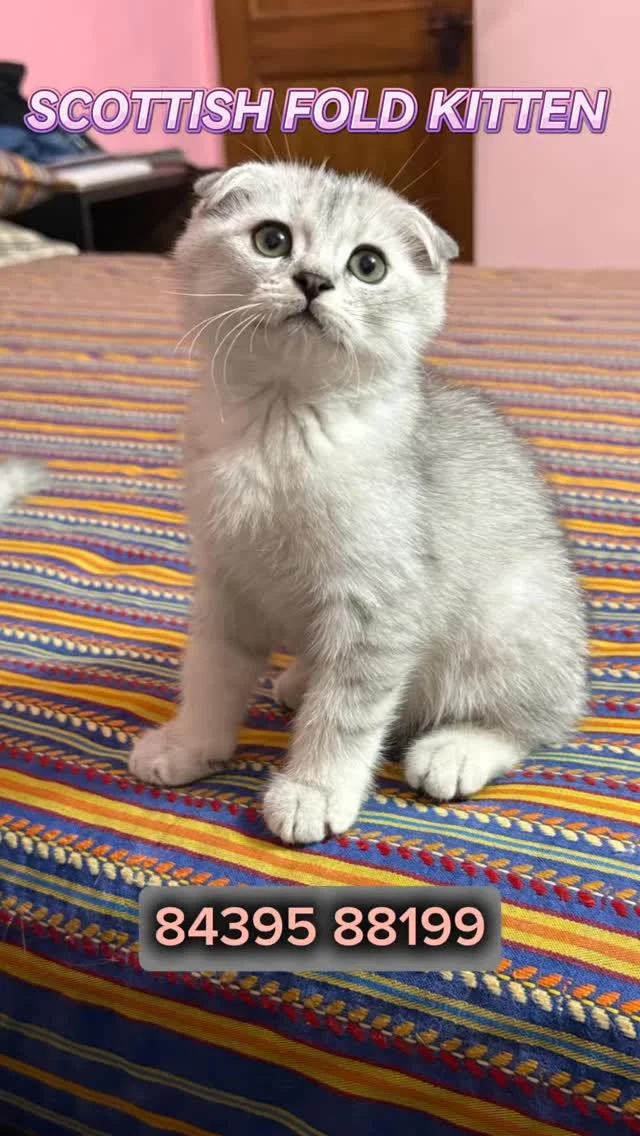
Scottish Fold – The Ear-Tipped Beauty
Famous for their unique folded ears, Scottish Folds are sweet and affectionate but not overly energetic. They are prone to joint and cartilage disorders like osteochondrodysplasia, which can affect their mobility, and also have increased risks of heart disease and obesity. Their dense fur makes them uncomfortable in hot climates, and their genetic predisposition to bone issues can be exacerbated by extreme temperatures.
Abyssinian Cat – The Curious Adventurer
Abyssinian cats are characterized by their ticked coats and a unique, shadow-like devotion to their humans. They are active, explorative, and very playful. Health concerns include familial renal amyloidosis, FIP, blindness, and feline atopic dermatitis.
Russian Blue – The Gentle Introvert
Recognizable by their silvery-blue-grey coats and pale blue or yellow eyes, Russian Blues are quiet and reserved cats. They are natural predators with high energy, enjoying leaping and climbing, which necessitates an enriched environment with climbing structures. Generally healthy due to careful breeding, their average lifespan is around 9 years, though some can live much longer.
Birman Cat – The Sacred Cat
Originating from Burma (Myanmar), Birmans have a medium-length coat, blue eyes, and a gentle, friendly personality. While generally healthy, they can be prone to kidney disease, heart issues, and obesity. Their coat requires grooming, and despite being less dense than some long-haired breeds, it can still lead to heat stress in humid conditions.
Norwegian Forest Cat – The Nature Lover
This ancient Scandinavian breed possesses a dense, waterproof double coat designed for freezing temperatures. They are large, intelligent, and playful but prone to heart disease, hip dysplasia, and glycogen storage disease. Their thick coat makes them uncomfortable in hot climates and requires regular grooming, which can be challenging in humid regions.
Burmese – The Affectionate Soul
Burmese cats are medium-sized with sleek coats and expressive eyes. They are affectionate and social, thriving on human interaction. While generally healthy, they can be prone to craniofacial defects, diabetes, and hypokalemia. Their short coat requires minimal grooming, but their strong need for companionship makes them sensitive to being left alone and potentially uncomfortable in India’s hot climate without a cool environment.
Indian Shorthair – The Adaptable Native
The Indian Shorthair, also known as Indian Mau or Indian Billi, is a native Indian breed found across the country. Their short, dense fur is well-suited to tropical climates, and they come in various colors and patterns. These adaptable, intelligent, and low-maintenance cats are generally healthy with fewer genetic issues than exotic breeds, making them a rewarding choice for a companion.
Oriental Shorthair – The Sleek Talker
Closely related to the Siamese, Oriental Shorthairs share similar facial features and physical appearance but come in a vast array of colors and patterns. They are known for being talkative, curious, and high-energy, making them ideal for experienced cat owners.
Comparing Cat Breeds in India: Price, Lifespan, and Grooming
| Breed | Grooming Level | Temperament | Climate Suitability | Price Range |
|---|---|---|---|---|
| Persian | High | Calm, Affectionate | Moderate–Low | Medium–High |
| Siamese | Low | Social, Vocal | High | Medium |
| Himalayan | High | Affectionate | Moderate | Medium–High |
| Bengal | Low | Energetic | High | High |
| Maine Coon | High | Gentle, Dog-like | Moderate | High |
| Bombay | Low | Social, Adaptable | High | Medium |
| British Shorthair | Medium | Easygoing | High | Medium |
| American Shorthair | Low | Playful, Friendly | High | Medium |
| Sphynx | High | Affectionate | High | High |
| Ragdoll | Medium | Calm, Lap Cat | Moderate | High |
Most Affordable and Popular Cat Breeds in India
For those on a budget, breeds like the Bombay Cat and American Shorthair offer affordability combined with low-maintenance needs and good adaptability to Indian conditions. The Bombay’s short coat and hardy nature, along with the American Shorthair’s minimal grooming requirements and heat tolerance, make them cost-effective choices.
Cutest Cat Breeds Loved in India
Many Indian cat parents are drawn to breeds celebrated for their soft coats and captivating eyes. The Persian with its fluffy coat, the Ragdoll with its silky fur and blue eyes, and the Himalayan with its long hair and distinct point coloration are particularly popular choices.
Lifespan: Indian vs. Imported Cat Breeds
Native Indian breeds often adapt better to the local climate, potentially leading to longer and healthier lives. Indian Shorthairs typically live 14–16 years, while Bombays range from 12–15 years. Imported long-haired breeds may have shorter lifespans if not adequately protected from heat, often living 10–14 years, though some short-haired imported breeds can also achieve similar lifespans with excellent care.
Adopting a Popular Cat Breed in India: Key Considerations
When selecting a cat breed in India, prioritize climate suitability, grooming requirements, and potential health issues over mere popularity. Breeds naturally suited to Indian conditions, such as the Bombay or American Shorthair, often lead to happier, healthier lives for both the pet and the owner. Consulting with a veterinarian or pet expert is always recommended before making an adoption decision.
Frequently Asked Questions
What are the most popular cat breeds available in India?
The most popular cat breeds in India include Persian, Siamese, Himalayan, Bengal, Bombay, Maine Coon, Ragdoll, British Shorthair, Sphynx, and Indian Shorthair.
Which cat breeds are best suited for Indian homes and climate?
Short-haired and medium-coated breeds like Bombay, Siamese, and American Shorthair generally handle heat and humidity well. Long-haired breeds like Burmese and Birman require air-conditioned environments.
How do I choose the right cat breed for my lifestyle?
Consider your daily routine, home size, climate, and your ability to commit to grooming. Energetic breeds suit active households, while calm lap cats are better for quieter homes.
What are the most low-maintenance cat breeds available in India?
Low-maintenance breeds typically include short-haired cats like the Bombay and American Shorthair, which require minimal grooming and adapt well to Indian conditions.
Which cat breeds are known for being affectionate and friendly?
Siamese, Ragdoll, Himalayan, Bombay, and Maine Coon cats are known for their social nature and enjoyment of human companionship.
What are the most expensive cat breeds available in India?
Imported breeds such as Maine Coon, Bengal, Persian, and Sphynx tend to be more expensive due to breeding, specialized care, and associated healthcare costs.
Which cat breeds are best for families with children?
Calm, gentle breeds like the Ragdoll, Maine Coon, British Shorthair, and Himalayan are often recommended for families with children.
How can I take care of long-haired cat breeds in India’s weather?
Regular grooming and maintaining cool, well-ventilated, or air-conditioned indoor spaces are crucial to prevent overheating and manage shedding in long-haired breeds.
Are there any Indian native cat breeds?
Yes, the Indian Shorthair (also known as Indian Mau or Indian Billi) is a hardy, low-maintenance, and affectionate native breed.
Where can I adopt or buy purebred cats in India?
You can adopt from animal shelters or purchase purebred cats from registered breeders and reputable online platforms like Vetic.
What is the average lifespan of cats in India?
Native and short-haired cats typically live 12–16 years. Imported long-haired cats often live 10–14 years, depending on care and climate adaptation. Some American Shorthairs may reach 18–20 years.
Which cat breeds are best suited for apartment living?
Calm, low-energy breeds such as the British Shorthair, Ragdoll, Siamese, Bombay, and Persian adapt well to apartment living.
Should I adopt a cat or buy a purebred in India?
Adoption is a more affordable option that supports stray animals. Purebred cats are suitable for those seeking specific traits and who can manage potentially higher maintenance and costs.
