
Owning a pet is a rewarding experience, but as responsible pet parents, we also bear the obligation to ensure their well-being in both sickness and health. With the rising costs of pet care, it’s essential to find ways to provide the best for our beloved companions without breaking the bank. This guide offers practical tips to help you save money on your pet’s healthcare and overall needs, ensuring they live a happy and healthy life.
Understanding Pet Care Expenses
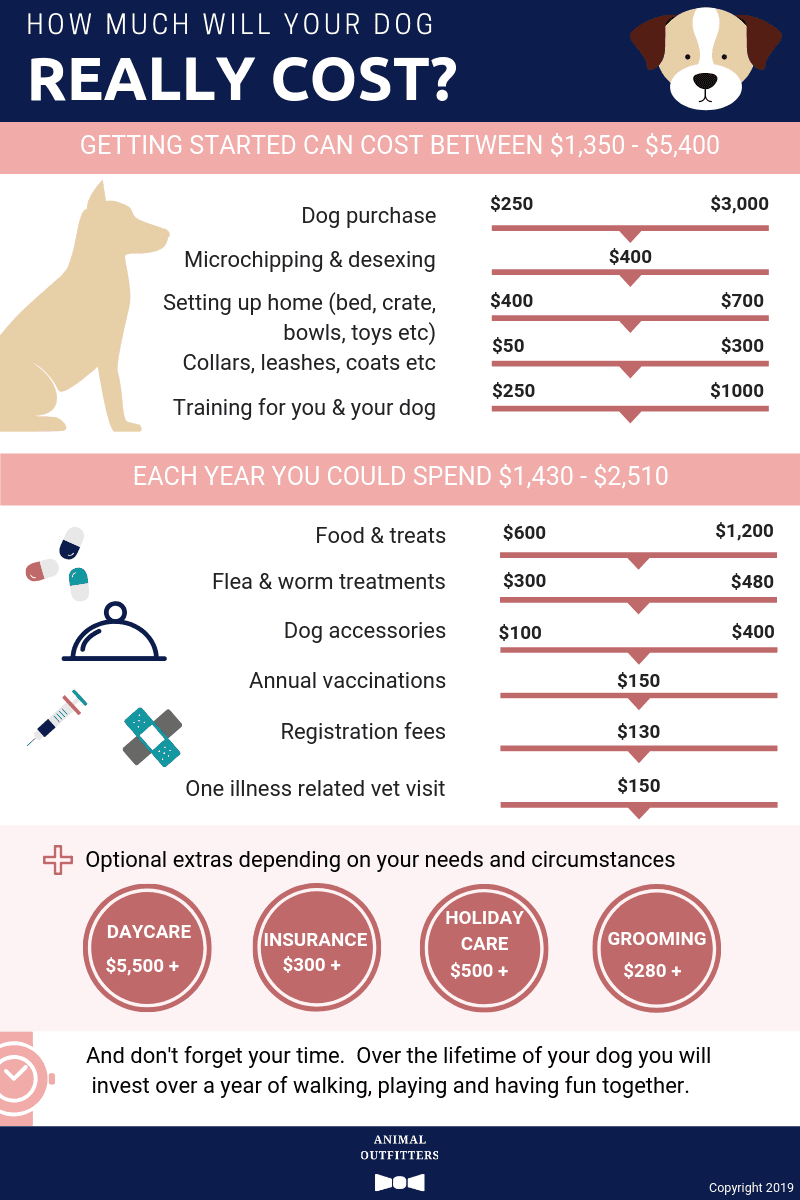
Before diving into savings, it’s helpful to understand the typical costs associated with pet ownership. The initial investment in a pet includes one-time expenses like spaying/neutering, initial vaccinations, microchipping, and necessary supplies such as crates, carriers, and grooming tools. Annually, you can expect recurring costs for food, routine medical care, preventative medications, toys, treats, and potentially health insurance. Special costs, like professional grooming or dental procedures, can also add to the overall expenditure.
For example, the first-year total for a dog can range significantly, potentially reaching around $3,221, while a cat might cost approximately $1,904. These figures highlight the importance of proactive financial planning and smart spending habits.
Strategies for Saving on Pet Healthcare
Schedule Regular Veterinary Check-Ups
One of the most crucial steps in managing Pet Care Costs is preventative care. Don’t skip your pet’s annual wellness exams. It is far more cost-effective and less risky to prevent illnesses than to treat them once they’ve become serious. Before choosing a veterinarian, consider shopping around and comparing fees for preventative services to find the best value.
Personalize Your Pet’s Vaccination Protocol
While some vaccines are essential for protecting your pet against serious diseases, others may be optional depending on your pet’s lifestyle and environment. Discuss with your veterinarian to create a personalized vaccine protocol that meets your pet’s specific needs. Always ensure your pet receives any vaccines mandated by local laws for their protection.
Spay or Neuter Your Pet
Spaying or neutering is not only beneficial for population control but can also significantly save on future veterinary bills by preventing serious health problems like uterine, ovarian, and testicular cancers. Many local shelters and organizations offer low- or no-cost spay/neuter surgeries. Exploring resources for low-cost programs in your area can lead to substantial savings.
Maintain Your Pet’s Dental Hygiene
Dental disease in pets can lead to more severe health issues affecting the heart and kidneys, resulting in expensive treatments. Establishing a regular dental routine at home is key to keeping your pet’s teeth and gums healthy. Consult your veterinarian for recommended products and frequency. Remember, never use toothpaste designed for humans, as it contains fluoride that can upset your pet’s stomach. You can find helpful tips on maintaining your dog’s oral health on our Dog Grooming Tips page.
Protect Your Pet from Parasites
Fleas and ticks can cause a range of costly medical problems, from minor skin irritations to life-threatening anemia. Using a consistent topical flea and tick preventative is an effective way to keep these parasites at bay. Always use these products exactly as directed and, crucially, never use a product intended for a dog on a cat, as some ingredients can be toxic to felines. For more information, visit our Fleas and Ticks page.
Create a Smoke-Free Environment
Secondhand smoke poses serious health risks to pets, potentially causing conditions like asthma, bronchitis, lymphoma, and various cancers. Quitting smoking is not only beneficial for your health but can also lead to reduced veterinary expenses. At the very least, ensure you do not smoke around your pet.
Consider Pet Health Insurance
If the cost of an unexpected emergency veterinary visit or a serious illness would present a significant financial challenge, pet health insurance is a worthwhile consideration. It’s best to enroll your pet while they are healthy. Carefully read the details of any policy, as coverage and terms can vary widely between providers.
Invest in High-Quality Pet Food
Opting for a high-quality pet food formulated according to guidelines set by organizations like the American Association of Feed Control Officials (AAFCO) can be more cost-effective in the long run than a homemade diet. High-quality food supports overall health, potentially reducing the risk of diet-related illnesses. Equally important is avoiding overfeeding, which can lead to obesity and associated health problems. Learn more about appropriate nutrition on our Dog Nutrition Tips and Cat Nutrition Tips pages.
Groom Your Pets at Home
You can save money on professional grooming services by handling regular tasks like nail trimming and brushing at home. This not only cuts costs but also contributes to your pet’s overall well-being, reduces the amount of pet hair in your home, and can help minimize hairballs in cats. Our Dog Grooming Tips and Cat Grooming Tips pages offer valuable guidance.
Conclusion: Proactive Care for a Healthy and Affordable Future
Managing the costs associated with pet ownership requires a proactive approach, focusing on preventative care, informed choices, and consistent healthy habits. By implementing these savings strategies, you can provide your furry companions with the excellent care they deserve while maintaining your financial health. Remember, a healthy pet is often a less expensive pet in the long run.
