
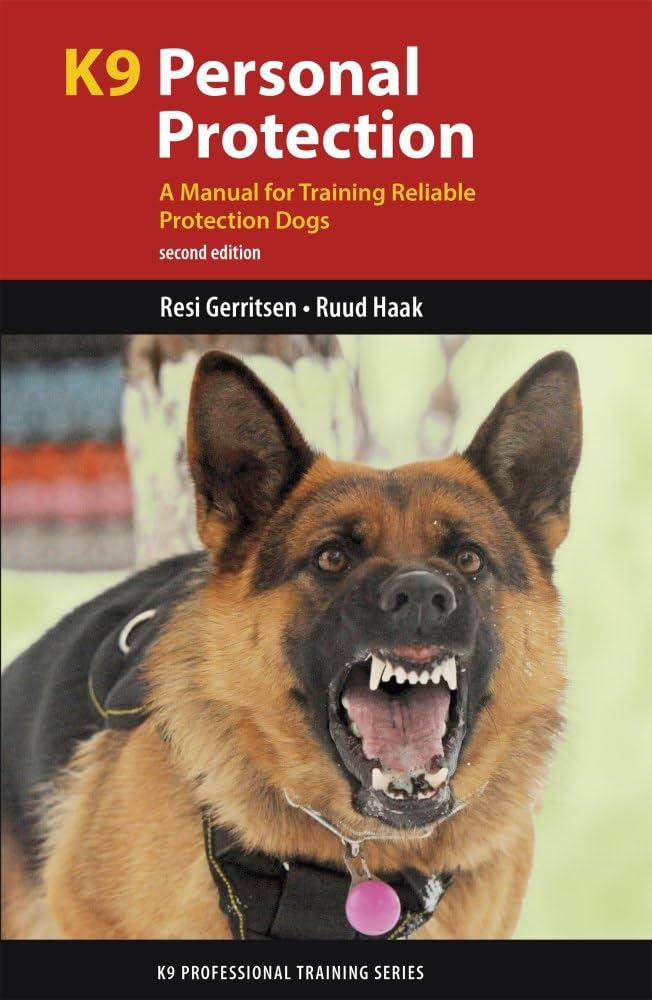
Training a dog for personal protection is a significant undertaking that requires dedication, consistency, and a deep understanding of canine behavior. It’s not merely about teaching a few commands; it’s about building a reliable partnership where your dog understands its role and responsibilities in ensuring your safety. This comprehensive guide will delve into the essential aspects of Personal Protection Dog Training, from selecting the right breed and temperament to the advanced techniques that create a formidable yet controlled guardian. Whether you’re considering a professional program or embarking on a DIY journey, understanding the nuances of this specialized field is paramount.
Understanding Personal Protection vs. Guarding Dogs
It’s crucial to distinguish between a personal protection dog and a typical guard dog. While both protect their territory or owners, their training and purpose differ significantly.
Guard Dogs
- Focus: Deterrence and warning.
- Behavior: Barking, alerting to intruders, and often staying within a defined territory.
- Training: Primarily focused on detecting and alerting to the presence of strangers. Their bite work, if any, is usually less controlled and more reactive.
Personal Protection Dogs
- Focus: Active defense and control.
- Behavior: Trained to respond to specific threats, obey commands even under duress, and disengage on cue. They are companions first and protectors second.
- Training: Involves sophisticated obedience, controlled aggression exercises, and precise bite work. This requires highly skilled trainers and a dog with the right innate drives and temperament.
Choosing the Right Breed and Temperament
Not every dog is suited for personal protection work. Certain breeds possess the genetic predispositions for courage, drive, and a strong bond with their handlers. However, breed is only part of the equation; temperament is key.
Ideal Breeds
While many breeds can be trained, some are consistently chosen for their suitability:
- German Shepherd: Renowned for intelligence, trainability, and versatility. They excel in various protection roles.
- Belgian Malinois: Highly energetic and driven, excelling in demanding protection work. They require experienced handlers due to their intensity.
- Doberman Pinscher: Loyal, alert, and possesses a natural protective instinct. They are intelligent and generally eager to please.
- Rottweiler: Powerful and confident, with a natural guarding instinct. Proper socialization and consistent training are vital.
- Giant Schnauzer: Courageous, intelligent, and possess a strong protective drive. They are loyal and form deep bonds.
Temperament Traits to Look For
Beyond breed, individual dog temperaments are critical:
- Confidence: A confident dog is less likely to be fearful or reactive unnecessarily.
- Drive: A healthy level of prey drive and hunt drive can be channeled into protection work.
- Trainability: An intelligent dog that is eager to learn and please is essential for complex commands.
- Stability: The dog must be stable and not overly anxious or aggressive in everyday situations.
- Biddability: The ability to work closely with and respond to the handler’s commands.
A good starting point for understanding your dog’s potential is through early socialization and basic obedience. For instance, enrolling in a dog training camp near me can help assess and shape a young dog’s behavior.
The Foundation: Obedience and Socialization
Before any protection-specific training begins, a rock-solid foundation in obedience and extensive socialization is non-negotiable.
Advanced Obedience
Personal protection dogs must obey commands flawlessly, even in high-stress environments. This includes:
- Recall: The dog must return to the handler instantly when called, regardless of distractions.
- Sit/Stay/Down-Stay: Reliable control for extended periods.
- Heel: Walking calmly and closely by the handler’s side.
- Leave It/Drop It: Crucial for control and safety, preventing the dog from picking up or holding unwanted items or threats.
- Place/Mat: Sending the dog to a designated spot and having it remain there until released.
Socialization
Proper socialization exposes the dog to a wide variety of people, animals, environments, and situations in a positive way. This prevents fear-based aggression and ensures the dog can differentiate between a real threat and everyday occurrences.
- Exposure: Introduce your dog to different ages, ethnicities, and appearances of people.
- Environments: Visit busy streets, parks, pet-friendly stores, and various terrains.
- Other Animals: Safely introduce them to calm, well-behaved dogs and other animals.
- Sounds and Smells: Accustom them to loud noises, traffic, and new scents.
Without a strong obedience foundation, a dog’s protective instincts can become a liability. For example, an unreliable recall could be disastrous if the dog decides to engage a perceived threat without a command.
Introduction to Protection Work
Once the obedience and socialization are well-established, the introduction to protection work can begin. This phase is highly specialized and often best handled by experienced professionals.
Building Drive and Imprinting
- Toy Drive: Using specialized toys like rags or sleeves is common to build the dog’s desire to engage. The handler uses these toys to initiate play and build excitement.
- Controlled Engagement: The “helper” (the person the dog interacts with) uses the toy to encourage the dog to bite and hold. The goal is to build the dog’s confidence and desire to engage with the toy.
Introducing the “Sleeve”
The bite sleeve is a common piece of equipment used in protection training. It provides a safe and effective way for the dog to practice biting and holding.
- The Helper: The helper wears protective gear, including the sleeve, and moves in a way that encourages the dog to bite.
- The Bite: The initial bites are typically on the sleeve, with the helper controlling the dog’s engagement.
- Holding and Control: The dog is taught to bite and hold firmly, demonstrating control over its prey drive.
Advanced Protection Training Techniques
This is where the true “personal protection” aspect comes into play, demanding precision and handler control.
Obedience Under Pressure
The dog must perform its obedience commands even when presented with a decoy or a simulated threat. This is often referred to as “scenario training.”
- Controlled Aggression: The helper may act in a threatening manner, and the dog must remain calm and focused on the handler until commanded to act.
- Obedience Amidst Agitation: The dog must perform a sit, down, or recall while the helper is in a threatening posture or moving. This proves the handler’s control over the dog’s protective instincts.
Directed Attack and Discouragement
- Directed Attack: The handler commands the dog to attack a specific target (the helper). The dog must engage only when commanded.
- Target Selection: Training ensures the dog targets the protective equipment (sleeve) and not the handler’s body.
- Discouragement/Outs: This is perhaps the most critical skill. The dog must release its grip and disengage from the helper immediately upon the handler’s command (e.g., “Out!”). This requires immense trust and training. A dog that cannot be commanded out is a danger to the public and the owner.
Scenarios and Real-World Application
Training should simulate real-world threats without creating unnecessary fear or aggression.
- Vehicle Defense: Training scenarios where the dog must defend the handler or vehicle from an approaching person.
- Apprehension: The dog is trained to pursue and apprehend a fleeing suspect on command.
- Call-Offs: The ability to instantly stop an attack or apprehension is paramount.
The Role of the Handler
A personal protection dog is only as good as its handler. The handler’s role is multifaceted and demands constant vigilance and skill.
- Leadership: The handler must be a confident and consistent leader.
- Communication: Understanding the dog’s body language and subtle cues is vital.
- Control: Maintaining control of the dog at all times, especially in public.
- Judgment: Knowing when to deploy the dog and, more importantly, when to call it off.
- Maintenance Training: Regular practice is necessary to keep the dog’s skills sharp and its obedience reliable. This might involve working with professionals or attending advanced akc therapy dog training to understand different types of canine engagement and control.
Safety and Legal Considerations
Owning and training a personal protection dog comes with significant responsibilities.
- Legality: Laws regarding the ownership and use of protection dogs vary by location. It is crucial to understand and comply with all local, state, and federal regulations.
- Liability: As the owner, you are liable for your dog’s actions. An improperly trained or uncontrolled protection dog can lead to severe legal consequences.
- Insurance: Many homeowner’s insurance policies have exclusions for “dangerous breeds” or dogs trained for protection. It is essential to check your policy and consider specialized insurance if necessary.
Maintaining Skills and Continuous Training
Personal protection training is not a one-time event. It’s an ongoing commitment.
- Regular Practice: Weekly or bi-weekly training sessions are essential to maintain obedience and protection skills.
- Professional Guidance: Even experienced handlers benefit from periodic check-ins with professional trainers to refine techniques and address any emerging issues. If you’re in an area like Cleveland, Ohio, seeking out reputable dog training cleveland ohio facilities can provide ongoing support.
- Simulated Scenarios: Continually work on obedience under distraction and controlled scenario training to keep the dog responsive.
Conclusion: A Partnership Built on Trust and Discipline
Personal protection dog training is a serious endeavor that transforms a canine companion into a highly skilled protector. It requires careful selection, rigorous training, and a handler who is as dedicated and disciplined as the dog. The result is a unique partnership built on mutual trust, clear communication, and unwavering loyalty. When undertaken responsibly, with the right guidance, a personal protection dog can offer an unparalleled sense of security and companionship. Remember, the goal is not just a dog that can bite, but a dog that understands when, why, and how to act, always under the handler’s ultimate control.
