
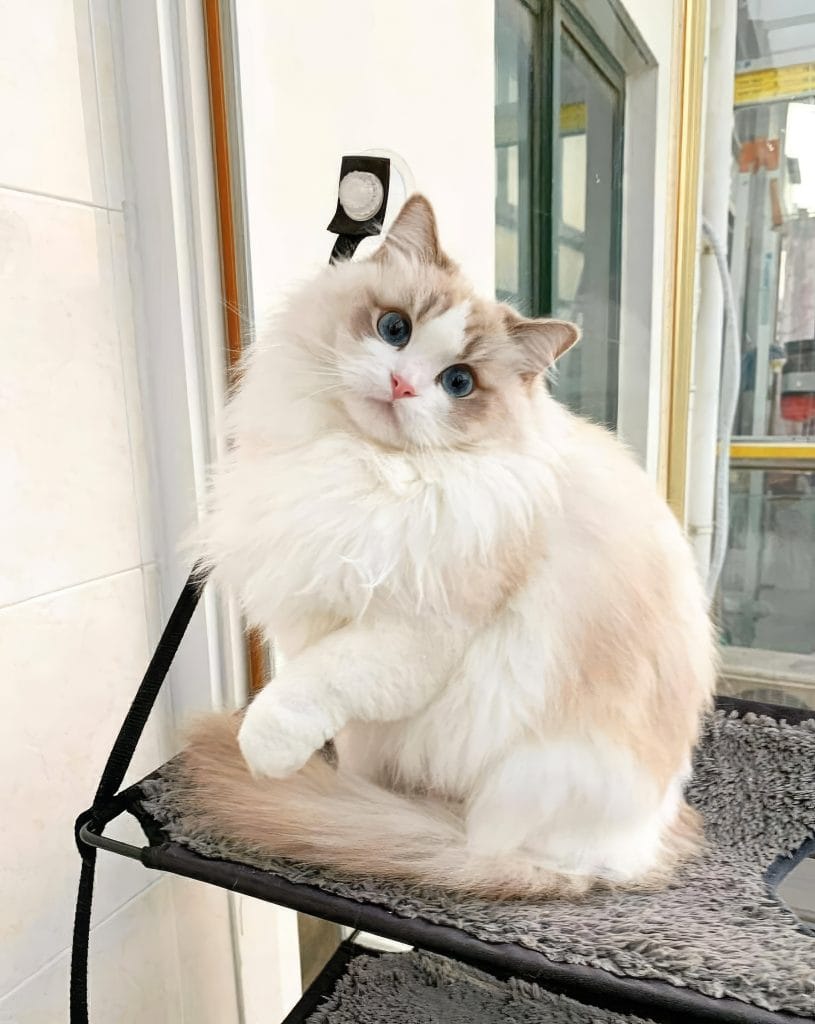
The Persian Ragdoll Cat mix is a captivating hybrid that brings together the best of two beloved feline breeds. This blend offers a companion with the Ragdoll’s famously gentle, dog-like demeanor and the Persian’s luxurious coat and affectionate, albeit sometimes discerning, personality. Ideal for a variety of households, from singles and the elderly to families with older children, these cats can adapt well to different living environments, including apartments.
Breed Overview
- Height: 9–15 inches
- Weight: 7–20 pounds
- Lifespan: 12–17 years
- Colors: White, blue, silver, cream, red, brown, black, lilac, chocolate, seal
- Temperament: Laid back, discerning, gentle, affectionate
While the individual Persian and Ragdoll breeds are well-known, their crossbreed is less common. Persians are typically smaller than Ragdolls and may be more selective with their affections, presenting a more traditionally “cat-like” personality. However, when combined, these traits can create a surprisingly well-rounded and endearing mixed breed.
Persian Ragdoll Kittens and Where to Find Them
Finding a Persian Ragdoll mix might require some patience, as they are not as commonly available as their purebred parents. Your best avenues for locating one include checking local animal shelters and rescue organizations, as cats are surrendered for various reasons. Alternatively, contacting reputable breeders of either Persian or Ragdoll cats is a good strategy.
When selecting a breeder, ensure they are reputable, preferably registered with a cat fanciers’ organization, and can readily answer your questions and provide health guarantees for their kittens. Be prepared for potential travel or a waiting list due to the breed’s uncommon nature. It is crucial to avoid kitten mills and backyard breeders, who often offer unhealthy kittens at suspiciously low prices.
Temperament and Intelligence
The Persian Ragdoll mix often makes an excellent family pet. Ragdolls are known for being gentle giants, showing affection to all family members and often being friendly with visitors. Persians, while also loving and gentle, can be more discerning, sometimes favoring certain individuals in the household. They might occasionally avoid people, particularly those who are loud or boisterous.
Sociability with Other Pets
This mixed breed generally integrates well into homes with other pets. Both parent breeds typically coexist peacefully with other cats and can often form bonds with cat-friendly dogs, provided introductions are managed properly. While some may even adapt to leash training and outdoor interactions, caution is advised.
It is important to exercise caution when introducing these cats to small animals. Although Persians have a lower prey drive than many cat breeds, they may still pose a threat. Ragdolls, with their curious nature, are also known to chase smaller creatures. Therefore, Persian Ragdoll mixes should not be left unsupervised with small mammals, reptiles, amphibians, or birds.
Owning a Persian Ragdoll Cat Mix
Diet and Nutrition
Ragdolls tend to have a more muscular build, while Persians are often more slender. A mix can result in a variety of body types, meaning dietary needs can differ significantly between individuals. Regardless of their build, feeding a high-quality cat food that provides complete and balanced nutrition is essential. As obligate carnivores, cats require a diet rich in protein and moderate in fat.
Exercise and Play
Ragdolls are moderately energetic, whereas Persians are often considered more sedentary. To maintain their physical and mental well-being, providing at least 30 minutes of daily exercise through games, toys, and puzzle feeders is recommended. Even less active cats benefit from mental stimulation offered by food puzzles.
Training
Ragdolls are generally considered trainable, while Persians can sometimes be perceived as less intelligent. A Persian Ragdoll mix might be quick to learn or may require more patience. Consistency is key in training any cat. Engaging training sessions, tailored to your cat’s motivation—whether it be treats, toys, or simply your company—will yield the best results.
Grooming Requirements
Both parent breeds are known for their high grooming needs. Persian Ragdoll mixes require regular brushing, ideally daily, to prevent matting and tangles. Brushing every 2–3 days may suffice for some, but persistent matting can lead to skin issues, pain, and infection. Professional grooming may be necessary periodically to maintain coat and skin health.
Health Considerations
Ragdolls are generally considered a healthy breed, though they can be prone to issues like hypertrophic cardiomyopathy and hairballs. Persians, particularly those from less reputable breeding backgrounds, often face a wider range of health problems.
Common minor health issues may include:
- Periodontal disease
- Haircoat disorders
- Skin infections
- Nail overgrowth
- Hairballs
- Obesity
Serious health conditions to be aware of:
- Brachycephalic syndrome
- Hypertrophic cardiomyopathy
- Polycystic kidney disease
- Thromboembolism
- Feline lower urinary tract disease (FLUTD)
- Bladder stones
Male vs. Female Differences
While major temperament differences between males and females are not always pronounced, size is often a notable distinction. Male Ragdolls can reach up to 20 pounds, significantly larger than females, who typically weigh between 10–15 pounds. Similarly, male Persians can weigh around 15 pounds, compared to females at 7–12 pounds. Expect male Persian Ragdoll mixes to be larger on average.
Females may exhibit more independence, and if they lean towards the Persian side of the personality spectrum, they might be more selective with affection. Males in both breeds tend to be more outgoing and may develop strong attachments, often becoming “Velcro cats.”
Fun Facts About the Persian Ragdoll Mix
- Ancient Origins: Persian cats have a long history, introduced to Europe in the 1600s. Their exact origin remains a mystery, with speculation they may have arrived in Persia from elsewhere. They were among the breeds featured in the world’s first cat show in 1871 and were favored by Queen Victoria.
- Eye Color: Purebred Ragdolls are characterized by their blue eyes. While genetic mutations can occur, non-blue eyes in a purebred Ragdoll are uncommon. However, Persian Ragdoll mixes can display a variety of eye colors.
- Impressive Size: The Ragdoll breed is one of the largest domestic cat breeds, rivaling breeds like the Norwegian Forest Cat and Siberian, and surpassed only by the Savannah and Maine Coon. Their substantial size, often reaching up to 20 pounds, is considerably more than the typical Persian cat.
Final Thoughts
The Persian Ragdoll cat mix offers a wonderful combination of affectionate personality and striking appearance. These cats are likely to be highly social companions, though their luxurious coat will demand consistent grooming. Potential owners should be mindful of the breed’s predisposition to weight gain and inactivity, emphasizing a balanced diet and regular exercise to maintain a healthy lifestyle. Consulting with a veterinarian is always recommended for personalized advice on diet and health.
