
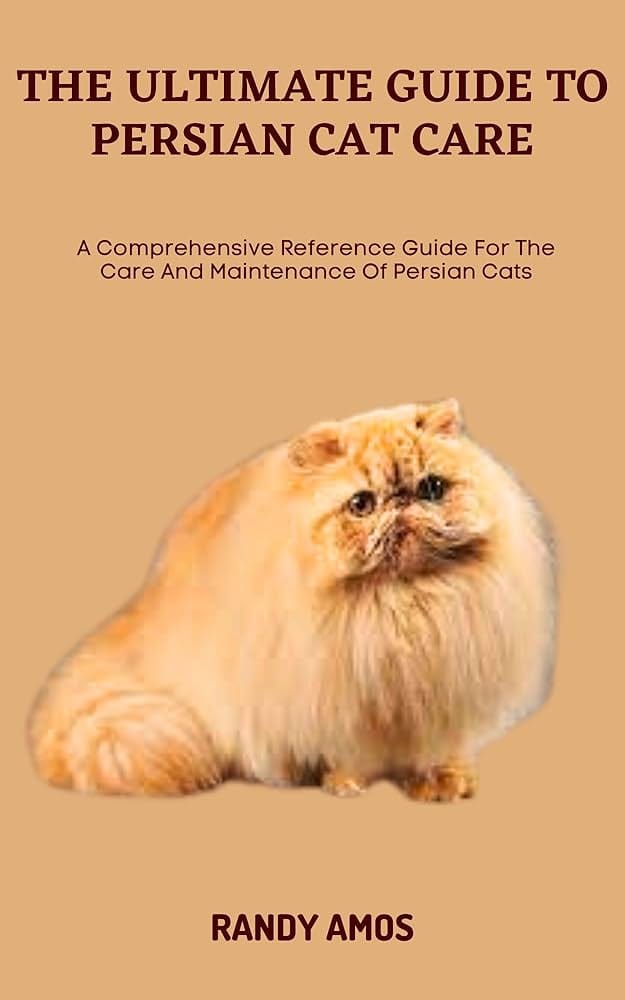
Welcoming a Persian kitten into your home is an exciting experience. These stunning felines, with their luxurious coats and distinctive flat faces, have unique needs that require special attention from dedicated cat parents. Understanding their development timeline, grooming requirements, and dietary needs from day one is crucial for ensuring your new furry companion thrives. This guide will provide you with all the essential information to create a nurturing and healthy environment for your Persian kitten.
Early Development of Persian Kittens
Caring for a Persian kitten starts from birth. Whether you have a pregnant cat or are adopting a young kitten, familiarizing yourself with their developmental stages is key.
Birth to Four Weeks: The Foundation
Newborn Persian kittens typically weigh between 85–100 grams and gain approximately 7–15 grams daily. During the first two weeks, it’s best to handle them minimally. Their primary activities are sleeping and signaling hunger through cries.
By the second week, kittens usually open their eyes. If an eye appears swollen or hasn’t opened, gentle cleaning and a veterinarian-approved antibacterial ointment may be necessary.
Around the third week, Persian kittens begin to sit up and may start to show interest in toys. This is also a good time to introduce them to a litter box. Due to their long fur, closely monitor for any faeces clinging to their coat. Some owners opt to trim the fur around the hind legs and tail of older kittens to prevent this.
Solid food can be introduced around the fourth week.
Five to Eight Weeks: Socialization and Health
At five weeks, kittens become more playful and may engage in rough play with their siblings, requiring supervision to prevent injuries.
The first veterinary visit is recommended around six weeks. This check-up should include a general health assessment, an eye examination, and a check of their teeth and gums, along with their initial vaccination if they are in good health.
Kittens may nurse less around seven weeks, and a temporary loose stool is normal. If this persists, consult a vet. This stage is also ideal for introducing them to bathing, as regular baths are essential for their long coats.
By two months old, the mother cat will begin teaching socialization, a process that continues until the kittens are ready to go to new homes around three months. This period also marks the first precautionary deworming.
Nine to Twelve Weeks: Final Preparations
The second round of vaccinations is typically due around nine weeks, followed by deworming at ten weeks. Nail trimming can also commence during this time.
A vet check is advised around eleven weeks to confirm the kittens are healthy before receiving their final vaccinations.
Settling Your Persian Kitten at Home
Persian cats are known for their affectionate nature, but they need time to adjust to their new surroundings. Give your new kitten a few days to overcome the stress of separation from their mother and littermates. Offer comfort, cuddles, and playtime. It’s normal for them to sleep more initially due to the significant change.
Consider keeping your kitten in a designated quiet area for the first few days to help them acclimate. Allow them supervised exploration time and gently guide them to their litter box without forcing them.
Essential Persian Kitten Care Practices
Proper care for your Persian kitten encompasses several key areas:
- Regular Grooming: Maintaining their luxurious coat is paramount.
- Playtime and Training: Engaging their minds and bodies.
- Quality Nutrition: Providing a balanced and appropriate diet.
The Art of Grooming a Persian Kitten
Persian cats require extensive grooming from a young age. Introducing these routines early will make them a more positive experience for both you and your kitten.
Daily Brushing
Daily brushing with a wide-toothed metal comb is essential to prevent matting and remove loose hair. Brush in the direction of hair growth, typically starting with the ruff, then moving to the underarms, tummy, back legs, sides, and behind the ears. Finish by re-combing the ruff, which many kittens enjoy. Gentleness and consistency are key; never punish your kitten for resisting. Reward them with a treat after grooming sessions to create positive associations.
Monthly Bathing
Bathing your Persian kitten once a month helps prevent matting, removes dirt, and reduces the risk of hairballs, which can cause stomach upset, dry heaving, and vomiting. Regular baths, combined with daily combing, significantly aid in managing shedding and preventing hairball-related issues.
Eye, Ear, and Claw Care
In addition to brushing and bathing, attend to these specific needs:
- Ear Cleaning: Use a Q-tip to clean the outer part of the ear canal only. Your vet should handle any internal ear cleaning.
- Nail Clipping: Trim the very tip of the claws with specialized nail clippers as needed.
- Eye Cleaning: Persian cats are prone to eye issues due to their flat faces. Daily cleaning with a soft cloth is recommended to manage discharge, which can be caused by pollen, dust, litter, or teething.
Dental Hygiene
The teething phase lasts from about ten weeks to eight months. Kittens may chew on objects or your hands during this time. While providing appropriate chew toys is important, daily teeth brushing with a vet-approved brush and toothpaste is crucial to prevent gum and teeth problems. Initially, you can use gauze on your finger. Poor dental hygiene can compromise their immune system, making them more susceptible to illness.
Playtime and Training for Kittens
Kittens are energetic and playful, requiring daily interaction. Engaging in playtime is a wonderful opportunity to bond and keep them active. Provide a variety of toys, such as lasers, feather teasers, balls, and puzzle feeders. Short, daily training sessions can also be beneficial, as even Persians enjoy this interactive engagement.
The Importance of Quality Nutrition
Diet plays a critical role in your Persian kitten’s overall health. Ensuring they receive adequate, well-balanced nutrition is paramount.
Introducing New Food
It’s ideal to continue feeding the food your kitten ate at the breeder’s to avoid stomach upset and diarrhea. If you must change their diet, do so gradually. Mix the new food with the old, slowly increasing the proportion of the new food over time.
Selecting the Right Food
High-quality wet cat food is generally the best option, particularly during the teething phase when kibble might be difficult to eat. Wet food typically contains more meat or fish and fewer fillers like grains and vegetables. It also provides essential hydration, which is vital for felines who often don’t drink enough water.
An ideal diet for your Persian kitten should consist of:
- Animal Protein (Minimum 50%): Essential for energy, amino acids (like taurine for organ function, skin, coat, muscles, and vision), vitamins, and minerals. Good sources include chicken, liver, duck, turkey, prawns, tuna, mackerel, and shrimp.
- Animal Fat (20% or less): Aids in hairball reduction, provides fatty acids, promotes a healthy coat, and regulates inflammation.
- Carbohydrates (Under 3%): Provide fiber which can help with constipation and IBS, but should not be a primary part of the diet. Sources include pumpkin, broccoli, sweet potatoes, mangoes, bananas, pineapples, blueberries, raspberries, strawberries, and apples.
Why Untamed is an Excellent Choice for Your Persian Kitten
Untamed offers high-protein cat food formulated to support your feline’s long-term health. Our meals are free from grains, sugar, additives, vegetable protein, and animal derivatives. Developed in collaboration with vets, our recipes are free from known allergens and meet your kitten’s dietary needs, promoting healthy eating habits, improved digestion, sustained energy levels, a robust immune system, and a beautiful coat.
We offer a convenient online ordering system for a trial pack, followed by regular monthly deliveries with free shipping. You can easily modify or postpone your order, and cancellation is hassle-free.
Customers report noticeable improvements within weeks, including tidier litter boxes, better digestion, improved coat quality with less shedding and fewer hairballs, defined muscles, better moods, enhanced immune response, and a reduction in food allergies and weight issues over time.
Ready to try Untamed? Visit our “Try Now” page, provide details about your Persian kitten, select your preferred products, and place your order for a healthier, happier feline companion.
