
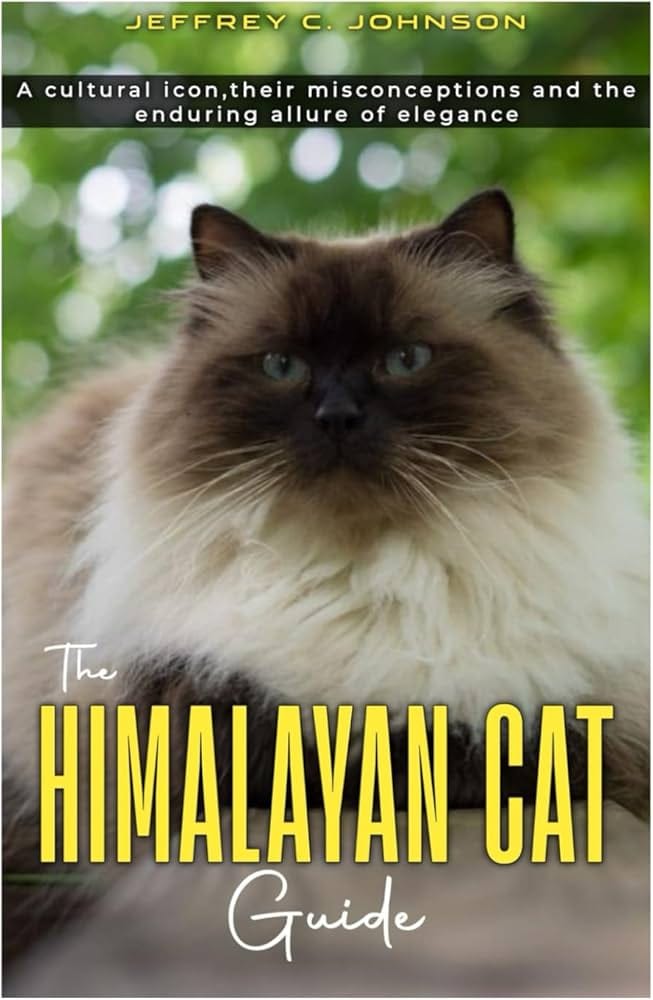
The Himalayan cat, a breed that embodies feline luxury, is a captivating mix of the Siamese and Persian lineages. Renowned for their stunning long, flowing coats and piercing blue eyes, these cats possess a distinctively aristocratic and glamorous appearance. Beyond their striking looks, the Himalayan boasts a unique history, a gentle temperament, and specific care needs that make them a beloved choice for many cat enthusiasts.
The journey to creating the Himalayan cat began in the 1930s with an ambitious breeding program spearheaded by breeder Virginia Cobb and geneticist Dr. Clyde Keely. Their goal was to combine the best traits of two popular breeds: the luxurious long fur of the Persian cat and the distinctive colorpoint patterns and vivid blue eyes of the Siamese cat. This experimental crossbreeding eventually resulted in the first Himalayan kitten, a true testament to their innovative vision.
Over time, major cat fancier associations have recognized the Himalayan. The Cat Fanciers’ Association (CFA) classifies the Himalayan as a colorpoint variety of the Persian breed. However, The International Cat Association (TICA) and the American Cat Fanciers Association (ACFA) consider the Himalayan a distinct breed in its own right, acknowledging its unique characteristics and heritage.
What Defines a Himalayan Cat?
Himalayan cats are instantly recognizable by their characteristic colorpoint pattern, a trait inherited from their Siamese ancestors. This means they have a lighter-colored body with darker fur on their ears, face, paws, and tail, resembling a fluffy marshmallow dipped in chocolate. Their facial structure, featuring round eyes, a somewhat flattened face, and a sturdy neck, contributes to their endearing and aristocratic look. These long-haired felines typically display color points in a variety of shades, including seal, blue, chocolate, lilac, and blue cream, complementing their generally pale body coats.
In terms of personality, Himalayans are generally affectionate and friendly, embodying the ideal lap cat. They thrive in serene environments and appreciate gentle play, often enjoying activities with toy mice or chasing balls. Mental stimulation is also important for them. They tend to coexist peacefully with other pets, making them suitable companions for multi-pet households. However, don’t expect them to be an athletic climber; Himalayans are content to lounge in comfort and style.
Essential Care for Your Himalayan
The striking, luxurious coat of a Himalayan cat requires a significant commitment to grooming. Daily brushing is crucial to prevent matting, reduce shedding, and maintain the health and appearance of their dense fur.
Like all breeds, Himalayans can be predisposed to certain genetic health conditions. Potential issues include progressive retinal atrophy, which can affect vision, and hypertrophic cardiomyopathy, a heart condition. Their brachycephalic (short-nosed) facial structure can also lead to health concerns such as respiratory problems and excessive tearing from the eyes. Regular veterinary check-ups and diligent facial cleaning are essential to manage these potential issues.
A balanced, high-quality diet tailored to the specific needs of a Himalayan cat, along with a consistent feeding schedule, is vital for maintaining their weight and energy levels. Interactive toys can also play a role in providing necessary physical activity and preventing boredom, particularly as Himalayans can sometimes be prone to a more sedentary lifestyle.
Welcoming a Himalayan into Your Home
When seeking to adopt a Himalayan cat, engaging with a reputable breeder is highly recommended. Such breeders can provide valuable information about the kitten’s parents, including any health screenings that have been conducted. Choosing a breeder recognized by a major cat association can offer additional assurance of the cat’s lineage and health. The cost of a Himalayan cat can vary considerably, influenced by factors such as pedigree, geographical location, and the breeder’s reputation, with prices ranging from a few hundred to several thousand dollars. Ultimately, adopting a cat is an investment in a loving family member.
The Himalayan’s Standing in the Feline Community
The Himalayan cat has achieved widespread popularity globally, consistently ranking among the most sought-after breeds. Regardless of whether they are classified as a distinct breed or a subcategory of the Persian, their allure is undeniable. The enchanting combination of their opulent coats, captivating blue eyes, and their calm, affectionate nature solidifies their status as exceptional pets.
Differentiating Himalayan and Persian Cats
The Himalayan can be viewed as a Persian cat infused with the distinct characteristics of the Siamese breed. Both breeds share a similar physical profile, including a long, dense coat, a rounded body, and that characteristic flattened facial structure. Their temperaments are also quite alike, marked by gentleness, affection, and a contented disposition for relaxed companionship.
However, key differences set them apart:
- Coloration: Himalayans exhibit the distinctive colorpoint pattern, a genetic legacy from their Siamese lineage, featuring darker fur on specific extremities. Persians, on the other hand, typically display a more uniform coat color across their entire body.
- Eye Color: A hallmark of the Himalayan breed is their consistently blue eyes, a direct inheritance from Siamese ancestors. Persian cats, however, can present with a range of eye colors, including copper, green, or blue, which often depends on their coat color.
- Breed Recognition: As mentioned, some breed associations integrate Himalayans into the Persian breed category as a colorpoint variant, while others maintain their recognition as a separate and unique breed.
- Activity Levels: Himalayans may exhibit a slightly more playful and interactive nature, retaining some of the spirited behavior inherited from their Siamese forebears. Persians, in contrast, tend to be more placid and less inclined towards active games.
Therefore, for those seeking the regal demeanor of a Persian combined with a touch of Siamese personality, the Himalayan cat emerges as an ideal and perfect match.
