
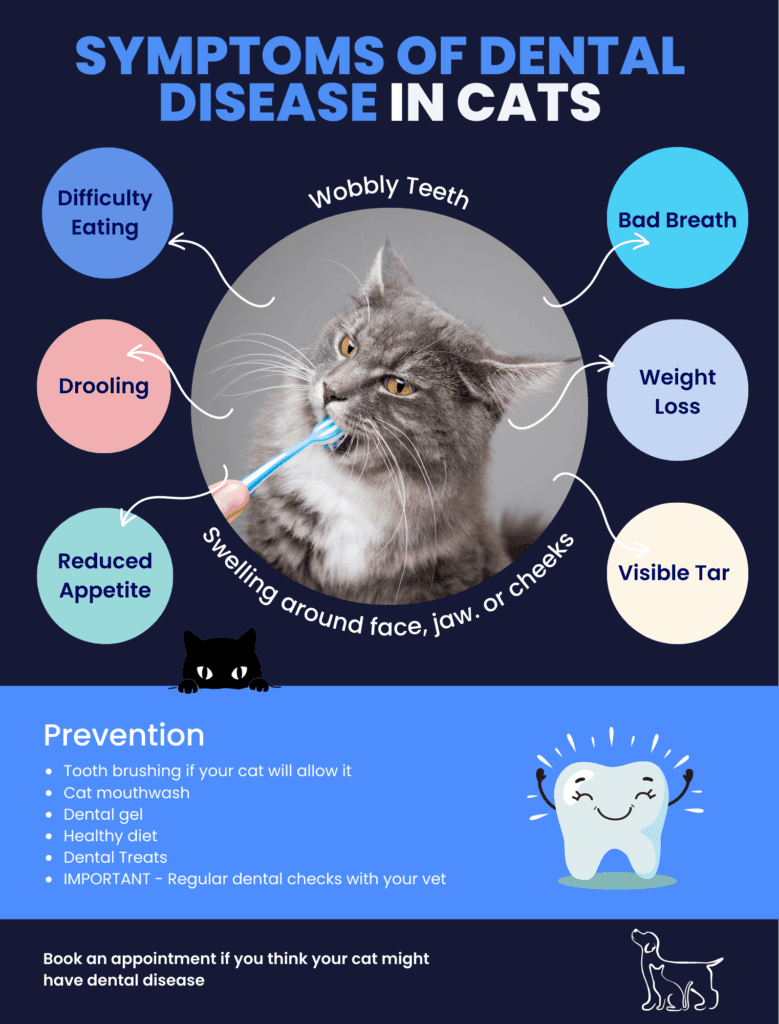
Dental health plays a crucial role in a cat’s overall well-being, yet diseases of the teeth and gums are surprisingly common. Studies indicate that a significant majority of cats over the age of four suffer from some form of dental issue. Fortunately, many of these conditions are preventable or treatable with consistent preventive dental care and vigilant monitoring. The most prevalent dental ailments in felines include gingivitis, periodontitis, and tooth resorption. These conditions can range in severity and often cause considerable pain and discomfort, impacting a cat’s quality of life and potentially leading to appetite loss and subsequent health complications.
Gingivitis: Understanding Gum Inflammation
Gingivitis is characterized by the inflammation of a cat’s gums, presenting as redness, swelling, and pain around the teeth. This inflammation typically stems from the accumulation of plaque, a bacterial film that adheres to the teeth. In healthy mouths, the bacteria within plaque are generally considered beneficial. However, if not removed regularly, plaque can migrate below the gum line, triggering an immune response that results in gingivitis. Some experts suggest that a shift in bacterial populations from beneficial to disease-causing species can also initiate this inflammatory process. Factors such as overcrowded teeth and inadequate oral hygiene can exacerbate plaque buildup.
When plaque absorbs minerals from saliva and gum tissue, it hardens into calculus, or tartar. While calculus itself doesn’t cause inflammation, it creates a rough surface ideal for disease-causing bacteria to attach. These bacteria produce substances that degrade the cells forming the barrier between the gums and teeth, allowing deeper bacterial invasion. The cat’s immune system then reacts, leading to the characteristic inflammation of gingivitis. However, some cats may tolerate these bacteria without developing noticeable inflammation.
Systemic and infectious diseases, including feline leukemia virus, feline immunodeficiency virus, feline calicivirus, severe kidney disease, diabetes mellitus, and autoimmune disorders, can also cause gingivitis. In such cases, gingivitis may be accompanied by inflammation or sores in other parts of the oral mucosa, a condition known as stomatitis.
Clinical Signs and Diagnosis of Gingivitis
The hallmark signs of gingivitis include swelling, redness, and discomfort at the gingival margin where the gums meet the teeth. In more severe instances, bleeding may occur. Cats suffering from gingivitis might exhibit reluctance to eat, chew on one side of their mouth, drool, or develop persistent bad breath (halitosis). Some cats may also show a preference for softer food textures.
Prevention and Treatment Strategies
The most effective method for preventing gingivitis is regular plaque removal through tooth brushing. It is crucial to use only toothpaste and gels formulated specifically for cats, as human dental products can be toxic. While introducing tooth brushing may require patience and a gradual approach, most cats can be trained to accept it. If a cat already has severe gingivitis, brushing can be painful, so consulting a veterinarian before starting is recommended.
Fortunately, gingivitis is often reversible. Treatment depends on the severity and underlying cause and may include at-home cleaning, antibiotics (oral or rinse), professional scaling and plaque removal (often requiring anesthesia), immunosuppressive drugs, or, in severe cases, tooth extraction. Antibiotics alone are generally not considered an effective sole treatment for gingivitis. Addressing any underlying systemic or infectious diseases is vital for managing gingivitis effectively.
Periodontitis: The Advanced Stage of Gum Disease
When gingivitis remains uncontrolled, it can progress to periodontitis, an irreversible condition. In periodontitis, the supportive tissues anchoring the teeth to the gums and jawbone are progressively weakened. This damage is caused by toxins from disease-causing bacteria and the cat’s own inflammatory response. The destruction of these supporting tissues can lead to loose teeth and eventual tooth loss. Since periodontitis almost invariably develops from untreated gingivitis, controlling the initial inflammation is paramount.
Clinical Signs and Diagnosis of Periodontitis
Cats with periodontitis typically display the signs of gingivitis, such as red, swollen, and potentially bleeding gums. They may also be reluctant to eat, drool, chew on one side, and suffer from halitosis. Additionally, signs of periodontitis can include gum recession, exposure of tooth roots, and noticeable tooth mobility. In advanced stages, tooth loss can occur. A thorough veterinary examination, often involving probing the gums and dental X-rays under anesthesia, is necessary for a definitive diagnosis.
Treatment for Periodontitis
Veterinary treatment for periodontitis focuses on removing plaque and tartar buildup through professional scaling and polishing to preserve teeth whenever possible. However, in severe cases, tooth extraction may be necessary, sometimes involving multiple teeth.
Tooth Resorption: A Destructive Process
Tooth resorption is a common and painful condition in cats, affecting between 30% and 70% of the feline population. It involves the breakdown of tooth structure, typically starting from within the tooth and progressing outwards. The exact cause of tooth resorption remains unknown.
Clinical Signs of Tooth Resorption
A common early sign of tooth resorption is a pinkish defect at the gum line, indicating that significant damage has already occurred within the tooth. These lesions can vary in severity, from minor defects at the gum line to extensive damage to the tooth’s crown. Tooth resorption may or may not be accompanied by gingivitis.
The pain associated with tooth resorption can cause cats to be reluctant to eat, drool, chew preferentially on one side, or become irritable. Diagnosis is usually made through a comprehensive oral examination, careful probing of lesions, and dental X-rays, which require anesthesia.
Treatment for Tooth Resorption
The goals of treating feline tooth resorption are to manage pain, halt the progression of the disease, and restore tooth function as much as possible. In cases where lesions are confined to the tooth root and the cat shows no signs of discomfort, careful monitoring may be sufficient. However, if the cat exhibits pain or the lesions extend into the crown, tooth extraction is often recommended. When complete extraction is challenging, veterinary dentists may perform a crown amputation. Consistent follow-up and monitoring are essential regardless of the treatment chosen.
Updated June 2017
