
Bringing a new puppy home is an exciting time, filled with joy and the challenge of teaching them the ropes. For new owners, the journey of shaping a well-behaved canine companion can be both rewarding and, at times, perplexing. One common query revolves around the transition from constant treat rewards to a more traditional feeding method. This article delves into the nuanced world of puppy training, addressing the core question: when and how should you move from hand-feeding to using a food bowl, while also tackling persistent puppy nipping.
The methods outlined in resources like “Perfect Puppy in 7 Days” emphasize rewarding desired behaviors consistently. For instance, teaching a puppy like Avery, a 10-week-old yellow lab, to “sit” for everything, including her meals, is a common practice. While this approach fosters politeness and attention, owners often wonder about the long-term implications and the right moment to introduce a food bowl. best dog behavior books can offer further insights into understanding canine behavior during these formative stages.
Transitioning Feeding Habits: Beyond the Bowl
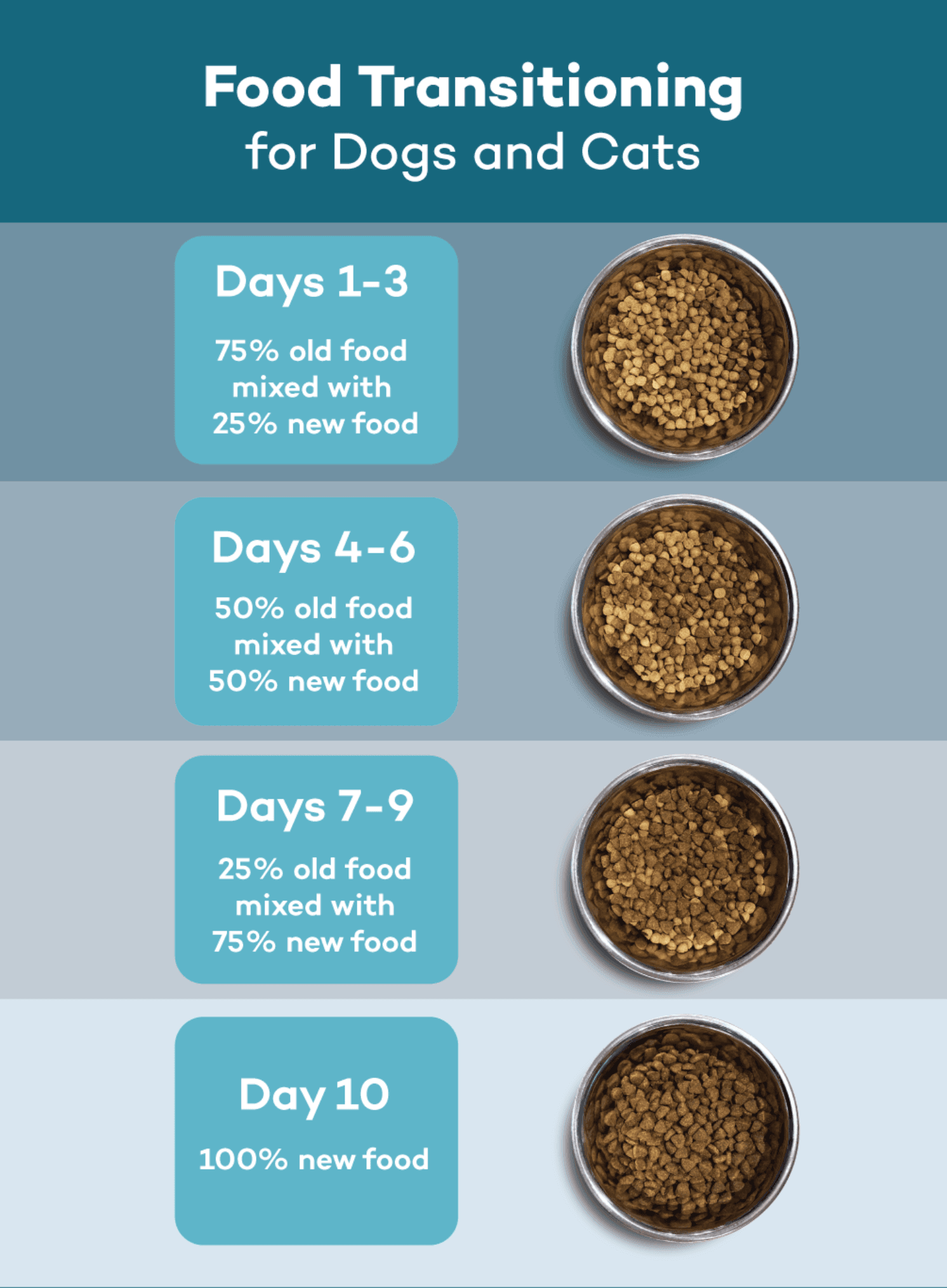
Many owners ask when to stop hand-feeding treats and transition to a food bowl. However, the experts suggest a different perspective: instead of ceasing rewards, the focus should be on what behaviors are being rewarded and how the dog’s daily food allotment is utilized. For a puppy that has mastered sitting politely, the advice is not to stop rewarding this behavior, but to redirect it and utilize the food for other essential training objectives.
Instead of expecting a puppy to sit at your feet for extended periods while you go about your morning routine, consider training them to lie down on a designated rug. This can be facilitated by tethering the puppy to furniture near the rug, encouraging them to practice a “down-stay.” Once they are comfortable in this position, rewards can be offered at gradually increasing intervals, fostering a habit of polite resting. The remaining portion of the puppy’s daily food can then be strategically used to reinforce other crucial behaviors. These include leash manners, polite greetings, recall, focus exercises, and desensitization to handling for grooming and veterinary examinations. Positive socialization experiences, exposing the puppy to a variety of people, well-behaved dogs, and new environments, are also vital and can be incorporated into training sessions.
Addressing Puppy Nipping: Timing and Consistency are Key
Puppy play-biting is a common hurdle that owners like Julie and Bill Russ encounter. While providing alternative chew toys and rewarding a cessation of biting is a good start, it may not be sufficient if the timing and consistency of the human’s reaction are flawed. Effective management of nipping often requires a sharp assessment of household members’ responses.
The core principle is to immediately withdraw attention and interaction the moment the puppy bites. This could involve removing your hands, standing up, or stepping away. The goal is to clearly communicate that biting stops the fun and interaction. If the puppy responds by stopping the biting and sitting, then attention can be resumed. This teaches the puppy to associate softer play with positive outcomes. Inconsistent responses, such as shouting “out” without immediately removing attention, or engaging in play by pulling arms away, can inadvertently encourage the biting behavior, making the human appear as an interactive toy.
The Takeaway: Refining Your Training Technique
The success in managing puppy behaviors, whether it’s excessive sitting for treats or persistent nipping, hinges on meticulous observation of household members’ actions and clear, consistent communication. Ensuring that training games are fast-paced and engaging, and that body language is unambiguous, is crucial. When biting occurs, the immediate and swift removal of attention within a split second is paramount. By identifying and rectifying minor errors in timing and execution, owners can transform their puppy’s play from biting and chewing to polite interaction and toy engagement. This not only makes play more enjoyable but also solidifies the foundation for a well-behaved adult dog. For further guidance on understanding and managing dog behavior, exploring resources such as highest rated dog training books can be highly beneficial. Remember, patience and consistent application of these principles are key to navigating the puppy stage successfully.
