
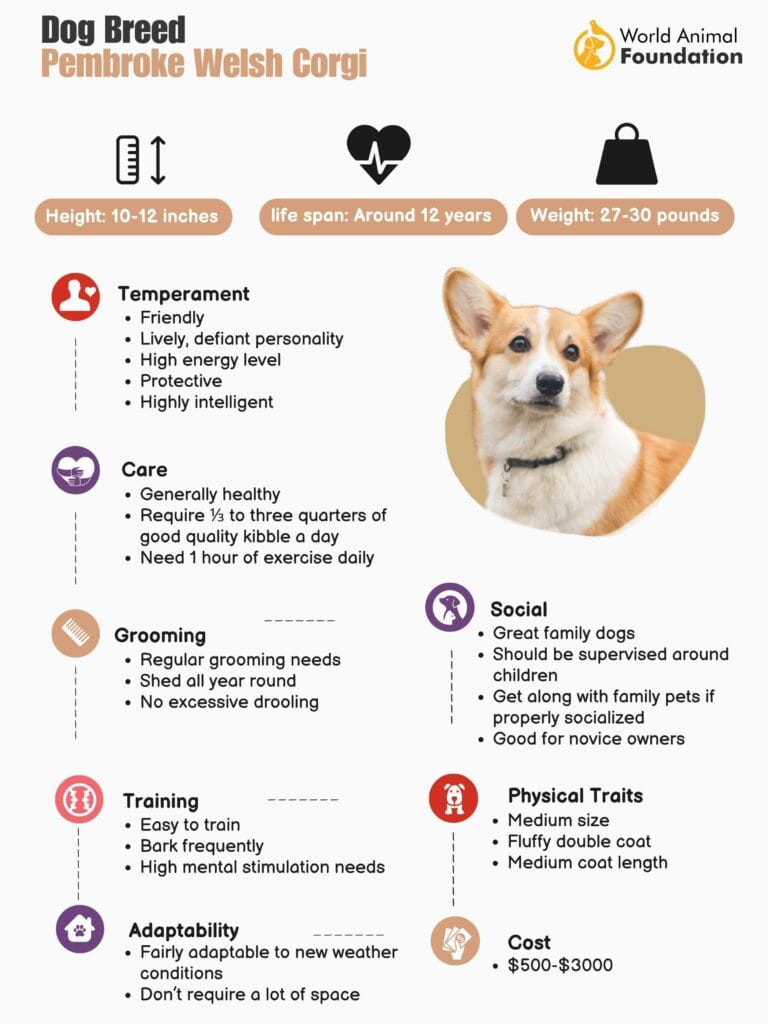
The Pembroke Welsh Corgi, a breed characterized by its distinctive dwarfism (chondrodysplasia), is proportionally built much like larger dog breeds despite its smaller stature. Fortunately, Pembrokes are generally a healthy breed, though there are a few specific health concerns that can affect them. Responsible breeders often screen their Corgis for hip dysplasia, various eye disorders, and von Willebrand disease (vWD). Additional health screening tests, such as those for elbow dysplasia, cardiac health, and degenerative myelopathy, are also available should breeders choose to perform them.
Members of the Pembroke Welsh Corgi Club of America (PWCCA) adhere to a Code of Ethics that mandates breeding only animals with sound temperaments and structures, ensuring clear hips and eyes, and freedom from other known inherited problems. When considering a breeder and a potential puppy purchase, prospective owners should feel empowered to ask pertinent questions. Key inquiries include: Are the sire and dam screened for hip dysplasia through OFA or PennHIP evaluations? Have the eyes been certified clear of inherited conditions by a veterinary ophthalmologist? Could you describe the temperament of both parents, noting any noise sensitivity or observed fears, and their reactions to new situations? What other inherited conditions are prevalent in Pembrokes? (A breeder who claims “none” may not be providing a complete picture.) Are breeders transparent about reproductive issues, cancer, cardiac conditions, neurological disorders, autoimmune diseases, hip, and eye concerns?
Navigating Genetic Health in Pembroke Welsh Corgis
Prospective buyers and breeders can enhance their chances of avoiding genetic problems by adopting a realistic approach. Canine genetic research still presents more unknowns than established facts, and many genetic tests serve as guidelines for breeders rather than definitive diagnoses. The principle of “buyer/breeder beware” is particularly relevant. Thorough research, asking detailed questions, and direct observation are crucial for gaining insight into the genetic health of a Pembroke Welsh Corgi line. There are no simple solutions; observation, inquiry, and a grounded sense of realism are indispensable. Pembrokes typically enjoy a lifespan of 12 to 15 years, and healthy, active Corgis often indicate a robust genetic background.
Pembroke Welsh Corgi Health Survey
The Pembroke Welsh Corgi Club of America is actively engaged in a comprehensive health survey for the breed, now accessible on the OFA website. This survey aims to identify the most significant current health issues within the breed, thereby directing research funding towards these areas. All Pembroke Welsh Corgi owners are strongly encouraged to participate. Prior to completing the survey, owners should review the health history of each dog they have owned. The survey will prompt users about disorders across various body systems, leading to more specific disease inquiries. Participants can save their progress, reset, or quit the survey at any time, and veterinary diagnoses should be used whenever possible. The survey is available for both living and deceased Corgis via the OFA website under “Health Surveys.”
Canine Diabetes Survey
In parallel, the University of Pennsylvania is conducting a survey to aid research into canine diabetes, with the ultimate goal of prevention. All information submitted is confidential and will be used solely for researchers, Drs. Stephen Cai and Rebecka Hess, to contact owners if necessary. Personal data will remain private and will not be published. The survey, which takes approximately 5-10 minutes to complete (longer for owners of multiple diabetic dogs), allows for saved progress and return before final submission. Researchers earnestly seek participation from all dog owners, regardless of whether their dogs have diabetes, to contribute to this vital cause.
Canine Degenerative Myelopathy and Genetic Testing
Dr. Jerold S. Bell, an adjunct Professor of clinical genetics at Tufts University’s Cummings School of Veterinary Medicine, has provided an explanation of Canine Degenerative Myelopathy (DM) in Pembroke Welsh Corgis. This resource is intended to help breeders and owners better understand the clinical and genetic complexities of this often misunderstood condition.
By staying informed and proactive, Corgi owners can contribute to the long-term health and well-being of the breed.
