
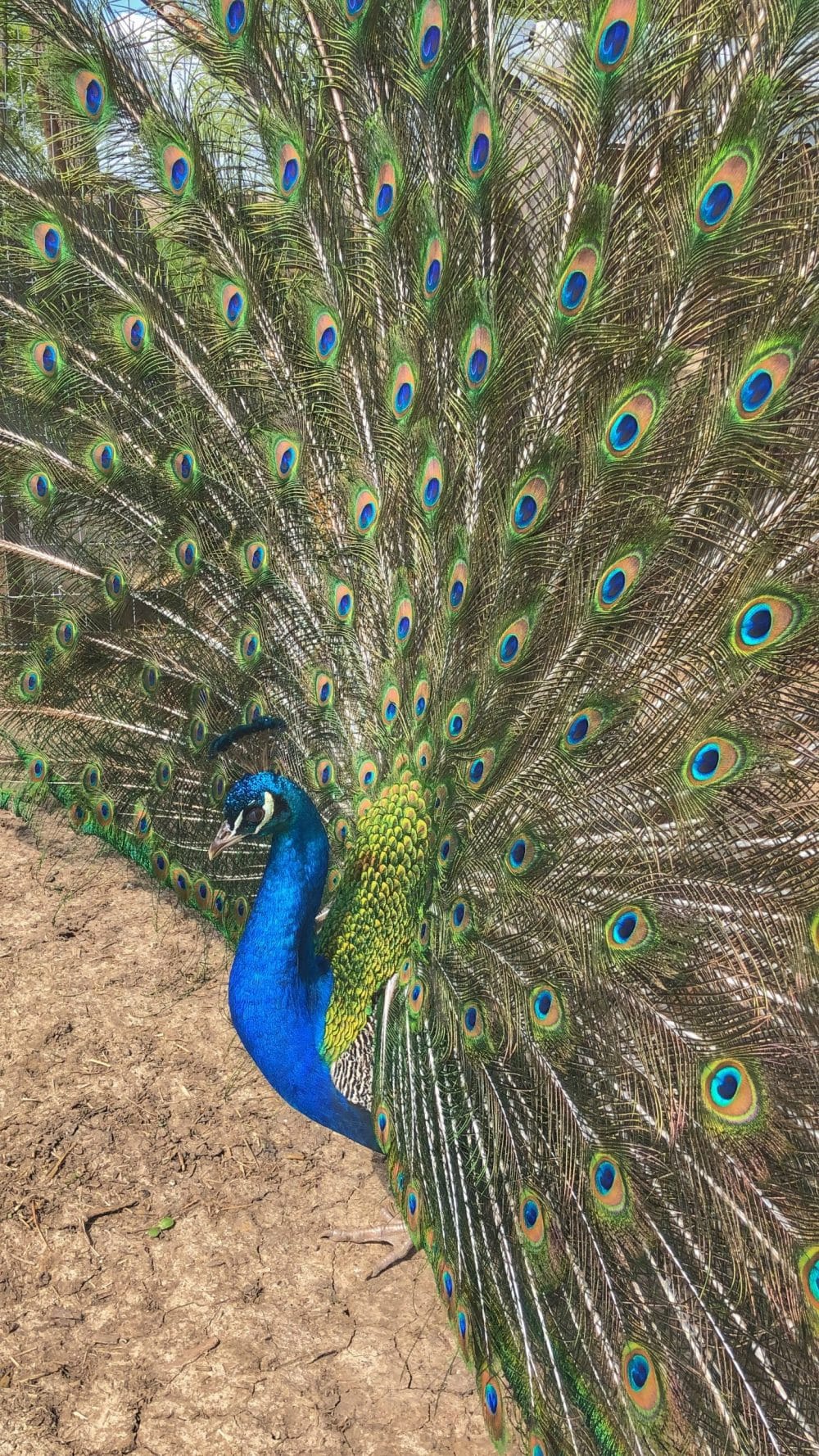
Peafowl, scientifically known as (Pavo cristatus), are striking birds native to India and Sri Lanka, renowned for their size and beauty. Similar in stature to turkeys, to which they are closely related, the species encompasses males called peacocks, females called peahens, and their young, known as peachicks. While raising these magnificent creatures offers numerous rewards, it’s essential to understand both the advantages and disadvantages involved.
The Challenges of Peafowl Ownership
Noisy Neighbors and Midnight Serenades
Mature peacocks, typically from two years of age, possess a distinctive, loud, and shrill call that can carry for miles. This vocalization isn’t limited to daytime; they may call in the middle of the night, potentially causing concern for unsuspecting neighbors who might misinterpret the sound as an emergency. These calls can lead to complaints or even unnecessary calls to emergency services. While peacocks also emit occasional honking sounds, peahens are considerably quieter, though they do produce a range of pleasant, conversational noises.
Garden Gourmands: Peafowl and Vegetation
Peafowl are omnivorous creatures with a varied diet that includes insects, small animals, and a wide array of vegetation. This can unfortunately extend to beloved garden plants such as flowers, bulbs, tender vegetables, and ornamental shrubs. If outdoor pet food bowls are left accessible, peafowl will readily consume the contents. To mitigate these issues and protect landscaping, it is crucial to confine peafowl within a covered enclosure.
Adapting to Inclement Weather
Originating from a warm climate, peafowl naturally prefer warmer temperatures and tend to fare poorly in cold, windy, or wet conditions. Consequently, providing them with adequate shelter that shields them from adverse weather is essential for their well-being.
The Need for Ample Space
Mature peafowl require significant space to roam, exercise, and avoid the detrimental effects of overcrowding. For peacocks, sufficient open space is also necessary for them to fully display their elaborate tail feathers without causing damage. Compared to most other poultry species, confined peafowl necessitate much larger enclosures.
Surprisingly Capable Fliers
Peafowl exhibit a natural inclination to roost in trees and often seek out rooftops for perching. If these structures belong to neighbors, the presence of large, sharp-clawed birds can be a source of significant annoyance. While wing clipping might seem like a solution, it unfortunately leaves them highly vulnerable to predators, making it an ill-advised practice.
Attracting Unwanted Attention: Predators
Despite their ability to fly, free-ranging peafowl are susceptible to a wide variety of predators, particularly larger ones that hunt substantial prey. Hens nesting on the ground are especially at risk. A peacock caught from behind may escape by shedding its tail feathers, diminishing the very aesthetic appeal that draws people to these birds. Confinement within a predator-resistant, covered pen is the most effective solution to ensure their safety.
The Rewarding Aspects of Peafowl Husbandry
A Spectacle of Beauty
Peafowl are undeniably beautiful, with the peacocks being particularly breathtaking. Around the age of three, a mature peacock develops an extraordinary train of long, iridescent feathers. During courtship, he elevates and fans this train, much like a turkey displaying its plumage. While the peahen is less adorned, lacking a prominent feather train, she complements the peacock’s display.
The Artistic Value of Peacock Feathers
Following the mating season, peafowl undergo molting, during which the peacock temporarily loses his magnificent train. These shed feathers are highly prized and can be collected for sale, given as gifts, or utilized in various crafts. They are commonly incorporated into jewelry, hair accessories, clothing embellishments, and even fly-tying materials for anglers. Alternatively, they can be displayed in a vase to add a touch of natural artistry to home decor, with many believing these feathers possess the ability to attract positive energy.
The Bounty of Peahen Eggs
Around two years of age, peahens begin laying eggs that are typically white or off-white and are roughly three times the size of standard chicken eggs. Commencing in March, a peahen may lay anywhere from three to over a dozen eggs. She might then choose to incubate these eggs and hatch a clutch of peachicks, or she may continue laying throughout the season, potentially up to two dozen eggs. Peahen eggs share a flavor profile similar to chicken eggs.
Delicious Peafowl Meat
As with other poultry, a flock of peafowl can sometimes develop an excess of males. The meat from these birds is quite delectable, often compared to chicken but possessing a richer flavor akin to turkey or pheasant. Peafowl meat is notably lean and relatively low in cholesterol. A mature peacock can weigh between 8 to 13 pounds live, while a peahen typically weighs between 6 to 8 pounds.
Natural Pest Control Specialists
Peafowl are exceptional foragers and, when allowed to roam, can consume vast quantities of pests such as ticks, termites, spiders, and locusts. They are also known to prey on snakes and mice, or at the very least, deter them from the premises.
Longevity and Companionship
Committing to raising peafowl means investing in birds that can grace your property for an impressive 15 to 20 years. With exceptional care, some individuals have been known to live for as long as 50 years, offering enduring beauty and companionship.
