
The journey of dog ownership is filled with unconditional love, playful antics, and, inevitably, the need for effective training. When we talk about “Pawsitive Pals Dog Training,” we’re not just referring to a method; we’re embracing a philosophy that centers on building a strong, trusting relationship between you and your canine companion. It’s about understanding their world, communicating effectively, and fostering a partnership built on mutual respect and positive reinforcement. This approach is more than just teaching commands; it’s about nurturing a well-adjusted, happy dog who thrives in your home and community.
The Heart of Pawsitive Pals: Understanding Your Dog
At its core, “pawsitive pals dog training” draws from principles of positive reinforcement, a widely respected and scientifically backed approach to animal behavior modification. This means rewarding desired behaviors – think tasty treats, enthusiastic praise, or a favorite toy – to encourage their repetition. Conversely, unwanted behaviors are managed and redirected, rather than punished. This fosters a learning environment where your dog feels safe, motivated, and eager to please. It acknowledges that dogs, like humans, learn best when they feel secure and are encouraged, not when they are fearful or confused.
Why Positive Reinforcement Works Wonders
Punishment-based methods, while sometimes appearing to yield quick results, often come with unintended consequences. They can lead to fear, anxiety, and even aggression in dogs, damaging the bond you share. Positive reinforcement, on the other hand, focuses on building your dog’s confidence. When your dog learns that good things happen when they offer a certain behavior (like sitting when asked), they are more likely to repeat that behavior. This creates a positive feedback loop that strengthens your communication and deepens your connection. It’s about teaching your dog what you want them to do, rather than simply punishing them for what they do wrong.
Essential Elements of Pawsitive Pals Training
1. Building a Foundation: Basic Obedience
Every great relationship starts with a solid foundation, and for dog training, that means mastering the basics. Commands like “sit,” “stay,” “come,” and “down” are not just tricks; they are essential tools for safety and clear communication.
- Sit: A fundamental command that helps manage excitement and encourages a moment of calm.
- Stay: Crucial for safety, teaching your dog to remain in a designated spot until released.
- Come: The most important command for recall, ensuring your dog returns to you when called, especially in distracting environments.
- Down: Promotes relaxation and can be a stepping stone for more advanced training.
When teaching these, remember to keep sessions short, fun, and rewarding. Use high-value treats and praise enthusiastically when your dog gets it right.
2. Socialization: Creating a Well-Adjusted Canine Citizen
Proper socialization is critical, especially during a puppy’s formative months. Exposing your dog to a variety of sights, sounds, people, and other well-behaved dogs in a positive and controlled manner helps them develop into a confident, adaptable adult.
- Early Exposure: Introduce puppies to different environments, noises (like vacuums or doorbells), and gentle handling from a young age.
- Controlled Interactions: Ensure interactions with other dogs and people are positive. Avoid overwhelming situations that could create fear.
- Ongoing Process: Socialization isn’t just for puppies; adult dogs can benefit from continued positive exposure to new experiences.
A well-socialized dog is less likely to be fearful or reactive in new situations, making them a joy to take anywhere.
3. Leash Manners: Walking with Confidence
A dog that pulls relentlessly on the leash can turn a pleasant walk into a frustrating tug-of-war. Pawsitive pals dog training focuses on teaching your dog to walk politely by your side, respecting the leash as a communication tool, not a source of tension.
- Reward Loose Leash: Reward your dog with treats and praise whenever the leash is slack.
- Stop When Pulling: If your dog pulls, simply stop walking. Resume when the leash slackens. This teaches them that pulling halts forward movement.
- Positive Association: Make walks enjoyable, not a chore. Explore new routes and let your dog have time to sniff and explore.
4. Addressing Common Behavioral Challenges
Even with the best intentions, challenges can arise. Pawsitive pals dog training offers humane and effective solutions for issues like:
- Jumping: Teach an alternative behavior, like sitting, to greet people. Reward the sit, not the jump.
- Barking: Identify the trigger for barking (boredom, alert, anxiety) and address the root cause. Teach a “quiet” cue.
- Chewing: Provide appropriate chew toys and redirect chewing from forbidden items to acceptable ones. Ensure they have enough mental and physical stimulation.
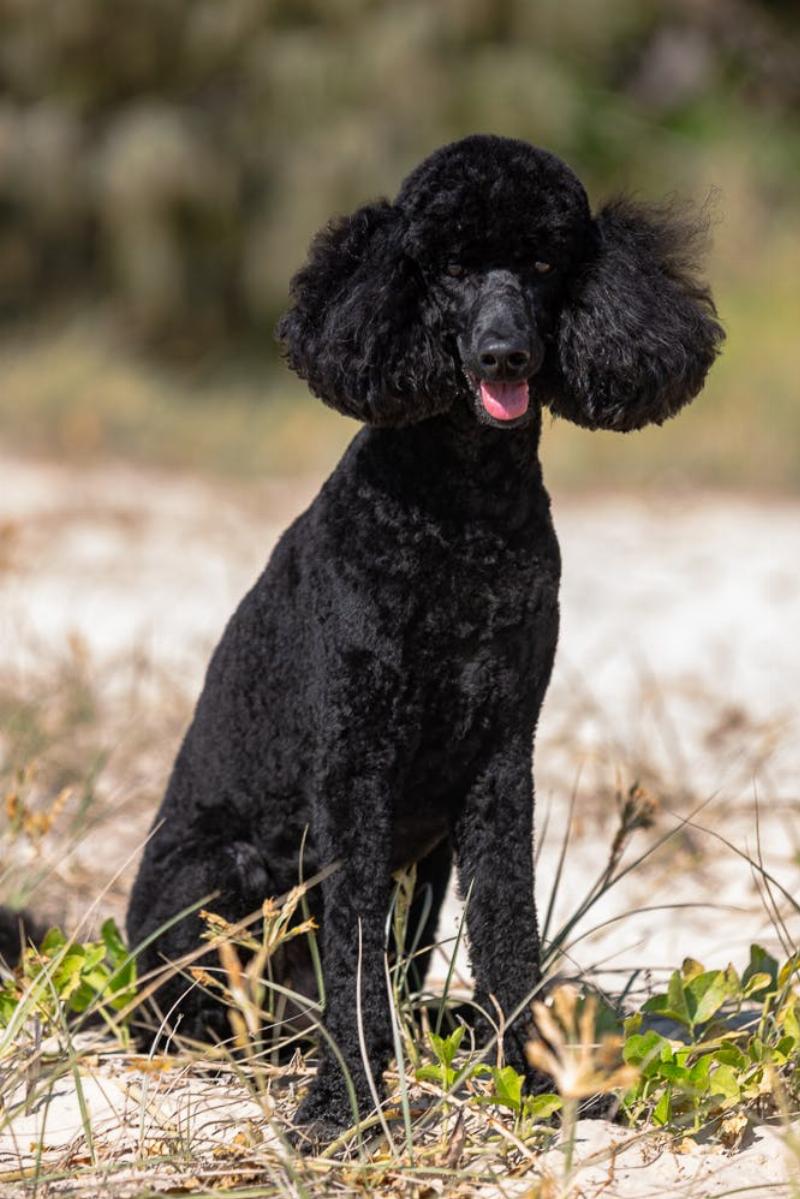 Positive reinforcement dog training session, happy owner and dog, building trust and connection.
Beyond the Basics: Advanced Training and Enrichment
Once your dog has a solid grasp of basic obedience, you can explore more advanced training and enrichment activities to further strengthen your bond and keep their minds sharp.
Trick Training for Fun and Brainpower
Teaching fun tricks like “shake a paw,” “roll over,” or “play dead” is a fantastic way to continue positive reinforcement training. It builds on the skills they’ve already learned and provides excellent mental stimulation.
- Break it Down: Complex tricks can be broken down into smaller, manageable steps.
- Shaping: Reward successive approximations of the desired behavior.
- Make it a Game: Keep it lighthearted and fun for both of you.
Canine Sports and Activities
Engaging in canine sports like agility, nose work, or flyball can be incredibly rewarding. These activities not only provide physical exercise but also foster teamwork, problem-solving, and confidence.
- Agility: Navigating obstacle courses that test speed, coordination, and obedience.
- Nose Work: Utilizing a dog’s natural scenting abilities to find hidden targets.
- Flyball: A fast-paced relay race involving retrieving a ball over hurdles.
The Role of Mental Stimulation
A tired dog is often a well-behaved dog, and mental stimulation is just as crucial as physical exercise. Puzzle toys, scent games, and learning new tricks all contribute to a dog’s overall well-being and can help prevent boredom-related behavioral issues.
Choosing the Right Pawsitive Pals Trainer
When seeking professional guidance, look for trainers who:
- Emphasize Positive Reinforcement: Their methods should align with the “pawsitive pals” philosophy.
- Are Certified: Look for certifications from reputable organizations (e.g., CCPDT, IAABC).
- Offer Clear Communication: They should explain their methods clearly and be able to answer your questions.
- Focus on the Dog-Human Bond: Their goal should be to help you build a stronger relationship with your dog.
- Provide a Safe and Encouraging Environment: Training should be a positive experience for both you and your dog.
Frequently Asked Questions
Q: How long does it take to see results with positive reinforcement training?
A: Results vary depending on the dog, the owner’s consistency, and the complexity of the behavior. However, many owners notice positive changes within weeks of consistent training.
Q: Can older dogs be trained using positive reinforcement?
A: Absolutely! While puppies may learn some cues faster, older dogs are often very receptive to positive reinforcement. They may have established habits, but patience and consistency can yield great results.
Q: My dog is fearful. Can positive training help?
A: Yes, positive reinforcement is particularly effective for fearful dogs. It helps build their confidence and creates positive associations, gradually overcoming their fears in a safe and controlled manner.
Q: What are the best treats for training?
A: High-value treats are small, soft, and incredibly motivating for your dog. Think tiny pieces of cheese, cooked chicken, or specialized training treats. The key is that they are highly desirable and easy to eat quickly.
Q: How often should I train my dog?
A: Short, frequent training sessions are more effective than long, infrequent ones. Aim for 5-10 minute sessions multiple times a day, especially when starting out.
The Lifelong Journey of a Pawsitive Pal
Training your dog is not a one-time event; it’s an ongoing journey that deepens your understanding and strengthens your bond throughout their life. By embracing the principles of “pawsitive pals dog training,” you’re not just shaping your dog’s behavior; you’re building a relationship based on trust, communication, and unconditional love. It’s about creating a happy, confident canine companion who is truly your best friend. Let’s continue to nurture these incredible partnerships, one pawsitive interaction at a time.
