
Embarking on the journey of dog ownership is incredibly rewarding, but it also comes with its unique set of challenges. Whether you’re welcoming a bouncy puppy into your home or seeking to refine the behavior of an older dog, professional guidance can make all the difference. Pat Nolan Dog Training stands as a beacon for many seeking to foster a deeper, more harmonious relationship with their four-legged friends. This isn’t just about teaching commands; it’s about understanding canine communication and building a foundation of trust and respect.
The world of dog training is vast, and choosing the right approach is crucial. Many owners find themselves grappling with common issues like excessive barking, jumping, leash pulling, or house-soiling. These behaviors, while sometimes frustrating, are often simply the dog’s way of communicating a need or a lack of understanding. Pat Nolan’s philosophy centers on positive reinforcement and clear communication, aiming to address the root cause of the behavior rather than just suppressing it. This method not only solves immediate problems but also strengthens the bond between dog and owner, leading to a more well-behaved and happier pet.
Understanding Canine Behavior: The Foundation of Training
Before any specific training techniques are introduced, it’s essential to grasp the fundamental principles of canine behavior. Dogs, much like humans, are social creatures with complex emotional lives. Their actions are driven by instincts, learned experiences, and their environment. Pat Nolan emphasizes the importance of observing your dog, understanding their body language, and recognizing their individual personality.
- Instincts: Many dog behaviors, such as herding, chasing, or digging, are rooted in their ancestral instincts. Understanding these natural drives helps trainers redirect them into appropriate outlets.
- Socialization: Early and positive socialization is critical for puppies. Exposure to various sights, sounds, people, and other animals during their formative months helps them grow into confident, well-adjusted adults.
- Communication: Dogs communicate through a nuanced system of vocalizations, body postures, and tail wags. Learning to “read” these signals is paramount for effective training and building trust.
By focusing on these foundational aspects, Pat Nolan Dog Training equips owners with the knowledge to interpret their dog’s actions, fostering empathy and a more effective training partnership.
Positive Reinforcement: The Key to Lasting Results
At the heart of Pat Nolan’s training methodology lies positive reinforcement. This approach focuses on rewarding desired behaviors, making it more likely that the dog will repeat them. Unlike punishment-based methods that can create fear and anxiety, positive reinforcement builds confidence and enthusiasm for learning.
How Positive Reinforcement Works:
- Identify the Desired Behavior: Clearly define what you want your dog to do (e.g., sit, stay, come when called).
- Reward Immediately: When the dog performs the behavior, offer a reward instantly. Rewards can include:
- Treats: Small, high-value treats are excellent motivators.
- Praise: Enthusiastic verbal praise (“Good boy!”) can be very effective.
- Affection: A gentle pat or a belly rub can reinforce the behavior.
- Toys: A favorite toy can be a great reward, especially for play-motivated dogs.
- Consistency is Crucial: Everyone in the household should use the same commands and reward systems to avoid confusing the dog.
- Gradual Fading: As the dog becomes more reliable, you can gradually reduce the frequency of treats, relying more on praise and other forms of reinforcement.
This method not only teaches the dog specific commands but also encourages them to think and make good choices, knowing that positive outcomes follow. It transforms training from a chore into an enjoyable bonding experience.
Addressing Common Behavioral Issues
Pat Nolan Dog Training tackles a wide spectrum of behavioral challenges, offering practical solutions tailored to each dog’s specific needs. Here are a few common issues and how their approach helps:
Leash Pulling
Many dogs pull on the leash because they are excited to explore or have learned that pulling gets them where they want to go faster. Pat Nolan’s training focuses on teaching the dog to walk calmly by your side, rewarding them for maintaining a loose leash. This involves using techniques that make pulling less rewarding and walking nicely more desirable.
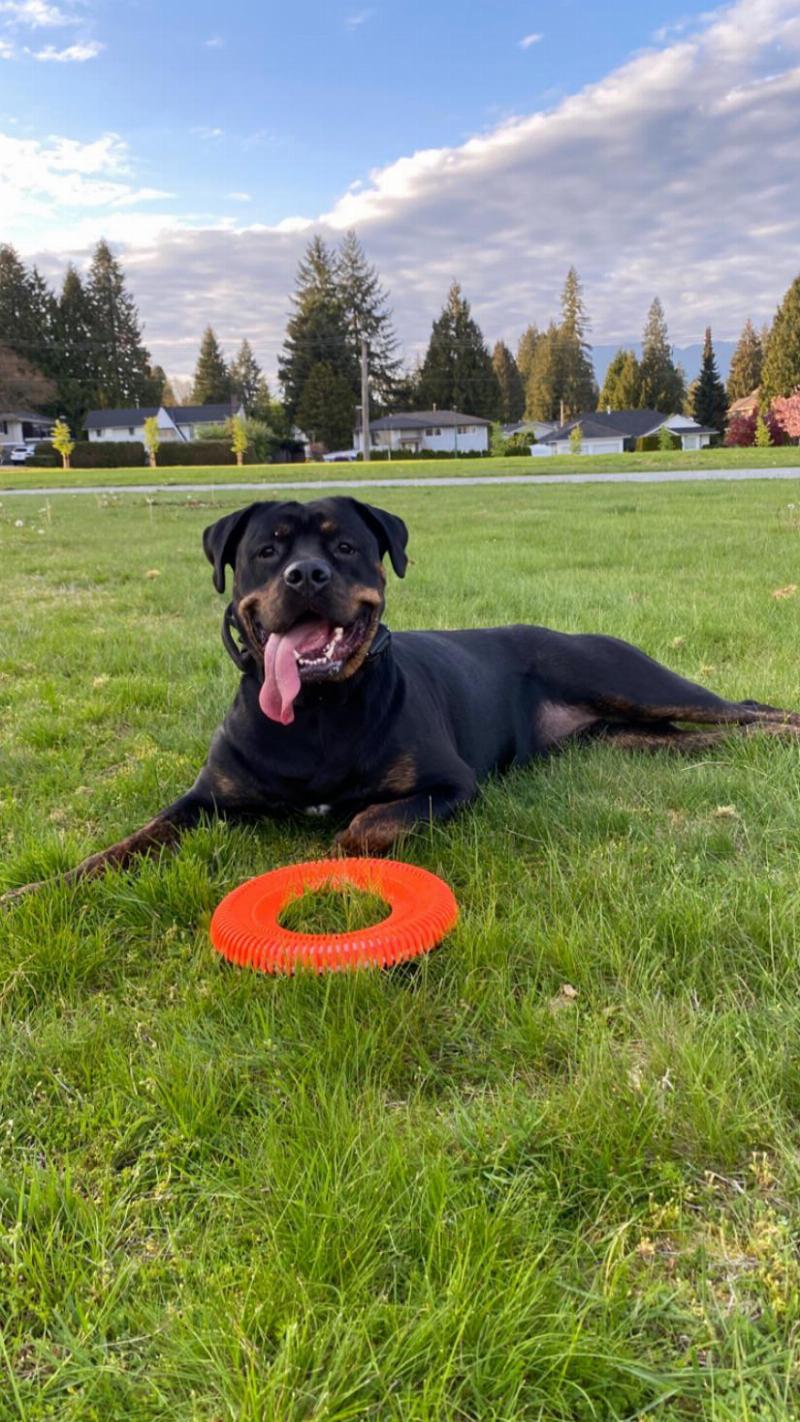 Pat Nolan dog training teaching loose leash walking
Recall Training (Coming When Called)
A reliable recall is arguably one of the most important commands for a dog’s safety. Pat Nolan uses positive methods to make coming to their owner the most rewarding option for the dog, even with distractions present. This often involves using high-value rewards and starting in low-distraction environments before progressing to more challenging situations.
Basic Obedience: Sit, Stay, Down, and Heel
These foundational commands are essential for a well-behaved dog and provide a framework for more advanced training. Pat Nolan’s training ensures these commands are taught with clarity and reinforced consistently, making them reliable in various settings.
House Training and Crate Training
For puppies and newly adopted dogs, house training and crate training are critical. Pat Nolan provides guidance on establishing routines, recognizing signs of needing to go outside, and creating a positive association with the crate as a safe den.
The Benefits of Professional Dog Training
Engaging a professional like Pat Nolan offers numerous advantages beyond just fixing specific behaviors:
- Expert Guidance: Gain insights from experienced professionals who understand canine psychology and effective training techniques.
- Tailored Approach: Receive personalized advice and training plans that consider your dog’s breed, age, personality, and your lifestyle.
- Time Efficiency: Professional trainers can often achieve results more quickly and efficiently than owners trying to navigate training alone.
- Building Confidence: Successfully training your dog boosts your confidence as an owner and strengthens your relationship with your pet.
- Socialization Opportunities: Group classes or structured training sessions provide valuable socialization experiences for dogs.
A Lifelong Journey of Learning
Training your dog is not a one-time event; it’s an ongoing process that evolves as your dog grows and matures. Pat Nolan Dog Training provides the tools and knowledge to empower owners to continue building a strong, positive relationship with their canine companions throughout their lives. By focusing on understanding, patience, and positive reinforcement, you can unlock your dog’s full potential and enjoy a fulfilling partnership built on trust and mutual respect. Whether you’re facing a specific behavioral challenge or simply want to deepen your connection, Pat Nolan’s expertise offers a clear path toward a happier, well-behaved dog and a more harmonious home.
