
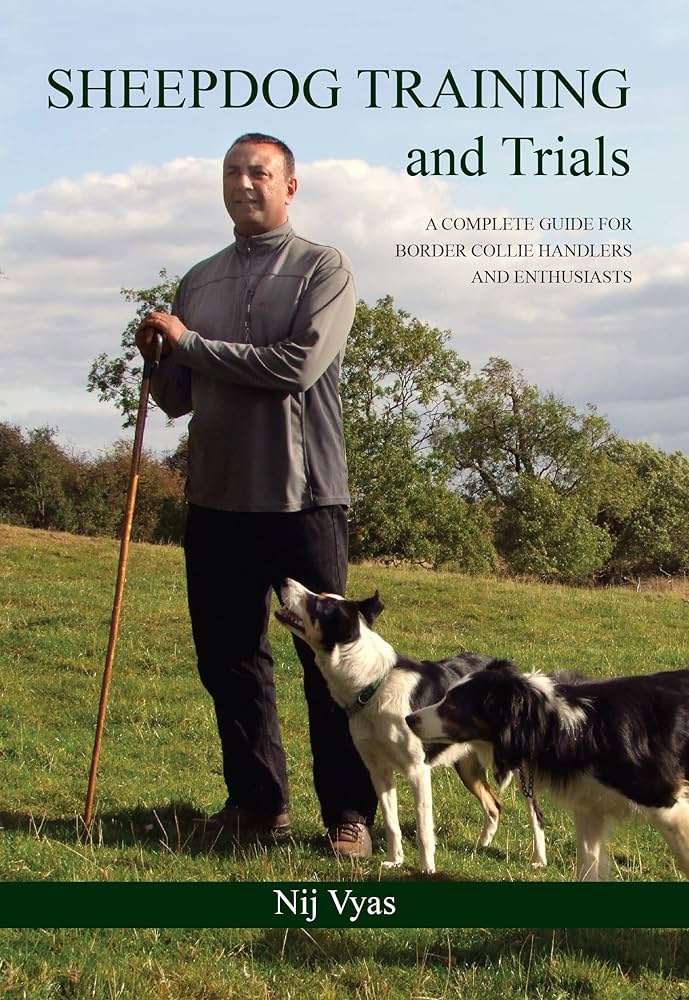
Acquiring a fully trained working sheepdog can be a deeply rewarding experience, offering immediate benefits for those seeking a capable canine partner. While the journey of training a sheepdog from puppyhood is fulfilling, it demands considerable time and patience. For many, purchasing a dog already equipped with essential skills presents a more practical solution, saving months, or even years, of dedicated training. This guide explores the advantages of buying a trained sheepdog, the characteristics to look for, and crucial health considerations, ensuring you make an informed decision for your farm or working needs.
The Advantages of a Fully Trained Working Sheepdog
Opting for a fully trained working sheepdog provides several distinct benefits:
- Ready to Work: These dogs possess the fundamental skills required for sheepdog tasks, including gathering, driving, and penning livestock.
- Time-Saving: The most significant advantage is the elimination of the extensive training period, allowing you to integrate the dog into your operations almost immediately.
- Proven Abilities: A trained dog has already demonstrated its natural working instincts, obedience, and adaptability in real-world scenarios.
- Reliable Performance: Experienced dogs are accustomed to working in diverse conditions, making them dependable assets to any farm or handler.
- Known Temperament: When purchasing a trained dog, you gain insight into its general nature, habits, and any potential vices, allowing for a better assessment of compatibility.
For those considering a less experienced option, puppies or part-trained dogs offer the opportunity to shape the dog’s training according to your specific methods and needs.
Characteristics of a Well-Trained Working Sheepdog
A truly trained sheepdog should be adept for both practical work and sheepdog trials, exhibiting a mastery of core commands and skills. A comprehensive training program often incorporates systematic training across various phases, much like those seen in sheepdog trials. When evaluating a dog, look for the following essential traits:
- Obedience: The dog must respond reliably to a range of commands, including directional cues like “Come By” and “Away to Me,” as well as control commands such as “Lie Down” and “Walk On.”
- Calm Demeanor: A well-trained dog works without causing undue stress or panic to the flock, demonstrating a composed approach to livestock handling.
- Stamina: The physical endurance to work effectively for extended periods, often across challenging terrain, is crucial.
- Focus: The ability to maintain concentration and follow instructions without being easily distracted by environmental stimuli.
- Adaptability: It is beneficial if the dog is comfortable working with various sizes and types of livestock, depending on your specific farming or working requirements.
When considering puppies or part-trained dogs, observing if these desirable traits are already beginning to manifest can provide a significant advantage as their training progresses.
Choosing Your Sheepdog: Puppy vs. Trained Dog
The decision to purchase a sheepdog, whether a puppy or a fully trained working dog, represents a significant investment. Thorough research is paramount before making a commitment.
When selecting a dog, consider these factors:
- Professional Registration: Look for dogs with professional registration, such as from the ISDS, and review their family tree to understand their lineage.
- Demonstration: Always request a live demonstration to witness the dog’s skills, responsiveness, and behavior firsthand.
- Health Check: Ensure the dog has undergone screening for common hereditary health issues, particularly eye conditions common in certain breeds.
- Compatibility: Assess whether the dog’s established training style aligns with your personal needs, your experience level as a handler, and your specific working environment.
- Age and Experience: Younger dogs may offer a longer working lifespan, while older dogs often bring invaluable experience. Part-trained dogs represent a middle ground, possessing foundational training with potential for further development.
- After-Sale Support: Some trainers offer ongoing support, such as follow-up guidance or refresher training sessions, to facilitate a smooth transition and ensure the dog’s continued success. Engaging with resources like a dedicated Sheepdog Club can be highly beneficial for ongoing training and support.
Essential Health Requirements for a Working Sheepdog
Beyond basic training and temperament, the health of a working sheepdog is fundamental to its long-term efficacy and reliability. A dog must be physically sound to withstand the demands of sustained work. This includes:
Orthopaedic Soundness and Movement
A working sheepdog navigates uneven terrain daily, necessitating excellent physical soundness. This includes good hip and elbow health, fluid and balanced movement, and strong feet and pasterns. Dogs with underlying joint weaknesses may perform well initially but are prone to early breakdown, irrespective of their natural ability.
Eyesight and Visual Ability
Vision is critical for a sheepdog’s ability to work at a distance, accurately judge stock, and maintain control. Clear, bright eyes, free from inherited conditions, are essential. Eye testing is particularly important for breeds like Border Collies. Even subtle visual impairments can diminish a dog’s confidence and precision.
Heart, Lungs, and Stamina
Cardiovascular fitness is vital for a working sheepdog to effectively gather, drive, and hold stock throughout the day. Good recovery after exertion and the absence of breathing difficulties or exercise intolerance are key indicators of a dog’s suitability for demanding work.
Neurological and Genetic Health
Neurological soundness is paramount for both safety and reliability. A suitable working sheepdog should exhibit good coordination, balance, and focus, with no history of seizures or epilepsy. Selecting breeding lines known to be free from inherited neurological problems significantly increases the likelihood of long-term working health.
Physical Toughness and Durability
A genuine working sheepdog should maintain good condition with sensible feeding, possess strong muscle tone, and be resilient to various weather conditions, terrains, and constant physical demands. Toughness and durability are hallmarks of dogs bred specifically for work, rather than solely for appearance.
Mental Strength and Temperament
Mental health is as crucial as physical health. A good working sheepdog remains calm under pressure, recovers quickly from stressful situations, and exhibits steady focus rather than nervousness or aggression. Strong nerves enable consistent and reliable stock work, even in challenging circumstances.
Proven Working Background and Longevity
Health should be underpinned by proven working genetics. Dogs from lines actively engaged in working, free from recurring joint, eye, or neurological issues, and known to remain sound and keen into their later years are far more likely to provide lasting value. A quality working sheepdog should ideally remain sound, fit, and capable of a full day’s work between the ages of eight to ten years.
The Cost of a Working Sheepdog
The price of a fully trained working sheepdog in the UK can fluctuate considerably, influenced by factors such as the dog’s training level and experience, pedigree, and overall health status. A fully trained working sheepdog typically starts around £3,000.00, a cost comparable to the income generated from approximately 30 to 50 fat lambs. Part-trained sheepdogs can also command prices up to £3,000.00, while a puppy might cost up to £1,000.00.
Conclusion
When seeking working sheepdogs for sale in the UK, it is imperative to select a dog that is well-suited to both your specific livestock and your experience as a handler. Purchasing a fully trained sheepdog is often the most expedient route to integrating a reliable working partner onto your farm. These dogs are ready to work with sheep and cattle and can seamlessly join an existing system with minimal disruption. Alternatively, part-trained sheepdogs or sheepdog puppies can be an excellent choice if you possess the time, knowledge, and facilities to complete their training, whether for daily farm duties or competitive sheepdog trials. Regardless of your choice, always thoroughly assess the dog’s working ability, temperament, and overall suitability for your needs. A well-matched sheepdog is more than just a purchase; it becomes an invaluable, long-term member of your team.
