
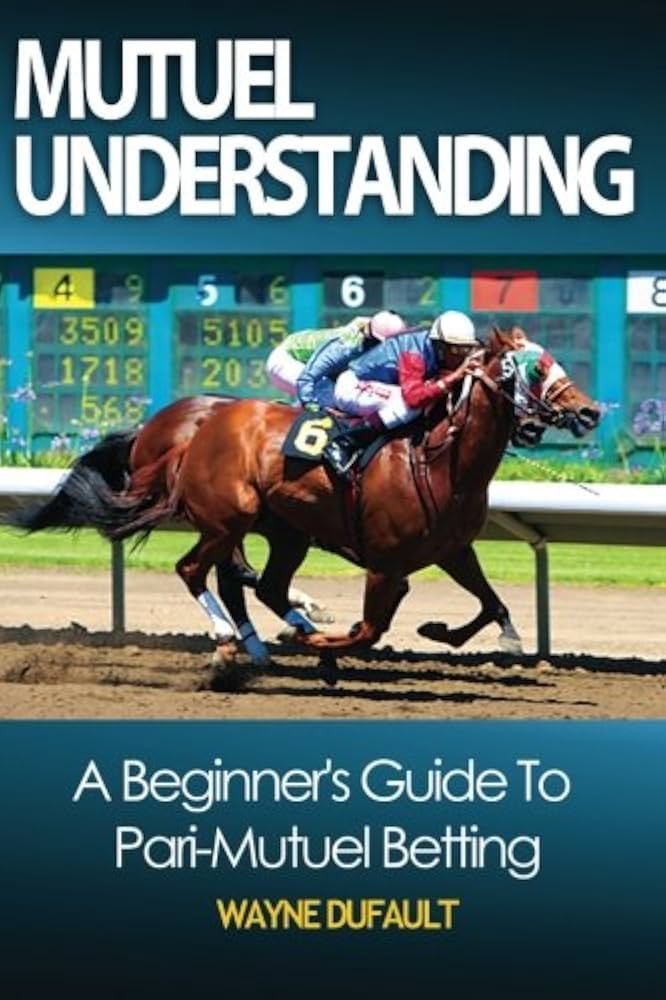
Step up to the track, and you’ll hear the buzz of the crowd, the thunder of hooves, and a language all its own—full of terms like “exactas,” “daily doubles,” and “the tote.” At the heart of it all is a unique system that makes horse racing wagering a thrilling, dynamic experience: pari-mutuel betting. If you’ve ever wondered why the odds on a horse shift right up until post time, you’ve seen pari-mutuel betting in action. This system is the lifeblood of horse racing, turning every race into a shared contest not just for the horses, but for everyone with a ticket in hand.
Unlike betting against a casino or a bookie, pari-mutuel betting pits you against other bettors. The term itself, French for “mutual bet,” perfectly describes the concept: all wagers of a certain type are collected into a single pool. From this pool, the racetrack or betting platform takes a set percentage, known as the “takeout” or “vigorish,” to cover costs and purses. The remaining money is then divided among those who hold winning tickets. This means the potential payout isn’t fixed; it’s determined by the collective wisdom (or whim) of the crowd. Understanding this system is fundamental, and it shares a certain complexity with knowing how are horse racing odds calculated, as both are fluid and based on the pool of money.
How the Pari-Mutuel System Works: A Shared Stake
Imagine you and everyone else at the track are contributing to one big pot for a specific race. That’s the core of pari-mutuel betting. You aren’t trying to beat “the house”—you’re in a friendly competition with every other bettor who has put money down.
The Betting Pool
For each type of bet (like a “win” bet or a “place” bet), a separate pool is created. If you bet $2 on a horse to win, your money goes into the “win” pool along with every other win bet placed on every horse in that race. The total amount of money in this pool is what all the winners will eventually share.
The Takeout
Before any payouts are calculated, the track operator removes their commission, the takeout. This percentage is fixed and regulated, typically ranging from 10% to 20%. This cut covers the race purses for the owners and jockeys, the track’s operational costs, and state taxes. What’s left is the net pool, which is distributed to the winners.
Calculating Odds and Payouts
This is where it gets interesting. The odds you see on the tote board are a direct reflection of how much money is in the pool for each horse. A horse with a large amount of money bet on it becomes the favorite, and its odds will be low (e.g., 2-1). A horse with very little money wagered on it is a “longshot,” with high odds (e.g., 30-1).
According to Dr. Eleanor Vance, a respected equine sports analyst, “The beauty of the pari-mutuel system is its transparency. The tote board is essentially a real-time map of public opinion, and the fluctuating odds create a fascinating strategic challenge for bettors right up to the start of the race.”
Because money continues to flow into the pools until the moment the starting gates spring open, these odds are constantly changing. The odds you get when you place your bet might not be the final odds the horse goes off at. Your payout is determined by those final odds, which are locked in only when the race begins.
Pari-Mutuel vs. Fixed-Odds Betting: What’s the Difference?
The main alternative to pari-mutuel betting is fixed-odds betting, common in sports like football or basketball. The distinction is crucial for any bettor to understand.
| Feature | Pari-Mutuel Betting | Fixed-Odds Betting |
|---|---|---|
| Opponent | You bet against other players in a pool. | You bet directly against the sportsbook or “house.” |
| Odds | Odds are fluid and change until the race starts. | The odds are locked in the moment you place your bet. |
| Payout | The payout is unknown until the pools close. | The potential payout is known and guaranteed upfront. |
| Prevalence | The standard for horse racing in the United States. | The standard for most other sports betting. |
In pari-mutuel wagering, the track has no financial interest in which horse wins; its income is guaranteed through the takeout. In fixed-odds betting, the sportsbook profits if the bettor loses. This fundamental difference makes the experience of betting on horse racing unique, whether you are at a famous track or exploring options for horse racing in the San Francisco area.
The Language of the Windows: Common Bet Types
To get started with pari-mutuel betting, you need to know the basic “straight” wagers and the more complex “exotic” wagers.
Straight Wagers
These are the simplest bets and the best place for a beginner to start:
- Win: You’re betting your horse will finish in first place.
- Place: You win if your horse finishes first or second. The payout is less than a win bet but your odds of cashing a ticket are better.
- Show: You win if your horse finishes first, second, or third. This offers the highest chance of winning but the lowest payout.
Exotic Wagers
Exotic wagers involve betting on multiple horses in a single bet. They are harder to win but offer significantly larger payouts.
- Exacta: You must pick the first two horses to finish in the exact order.
- Trifecta: You must pick the first three horses to finish in the exact order.
- Superfecta: You must pick the first four horses in the exact order.
- Quinella: You pick the first two horses to finish, but they can finish in any order.
- Daily Double / Pick 3 / Pick 6: These bets require you to pick the winners of multiple consecutive races. The complexity can grow, leading to bets like what is a super high five in horse racing, which requires picking the top five finishers.
A Simple Strategy for Beginners
For those new to the track, the sheer volume of information can be overwhelming. Here’s a simple approach:
- Start Small: Stick with Win, Place, and Show bets. They are straightforward and help you get a feel for the rhythm of betting and watching the odds.
- Watch the Tote Board: Pay attention to how the odds change. A horse whose odds are dropping rapidly is attracting a lot of late money, which could indicate insider confidence.
- Do Your Homework: Look at the racing form to learn about the horses’ past performances, jockeys, and trainers. A little research goes a long way.
- Don’t Bet the Favorite Every Time: While favorites win about a third of the time, betting on them consistently yields a low return. Look for value in horses with slightly higher odds that have a legitimate chance to win.
The excitement of pari-mutuel betting in horse racing comes from this shared, dynamic experience. From the local tracks that host events like horse racing in Lincoln, Nebraska to major international events, the system is the same. It’s a test of skill, luck, and public sentiment all rolled into one. By understanding how the pools work, you’re no longer just a spectator; you’re an active participant in the grand spectacle of horse racing.
Frequently Asked Questions (FAQ)
What is the main advantage of pari-mutuel betting?
The main advantage is its fairness and transparency. Since you are betting against other people and not the house, the track has no incentive to favor one outcome over another. The odds reflect the true collective opinion of the betting public.
Why do the odds change so much before a race?
The odds fluctuate because they are directly tied to the amount of money bet on each horse in the pool. As more and more bets are placed in the minutes leading up to a race, the distribution of money changes, causing the odds to shift in real-time.
How is the payout calculated for a winning ticket?
After the track takes its commission (the takeout), the remaining net pool is divided by the total amount of money wagered on the winning horse. This determines the base payout per dollar. Your winning ticket is then paid out based on this calculation.
Is pari-mutuel betting legal everywhere?
The legality of horse race betting varies by jurisdiction. In the United States, it is broadly legal and regulated at the state level. The question of can you bet on horse racing in North Carolina highlights how laws can differ from one state to another. Always check your local regulations.
Can you make a living with pari-mutuel betting?
While possible for a small number of highly skilled professional handicappers, it is extremely difficult. It requires immense dedication, sophisticated statistical analysis, and disciplined bankroll management. For most people, it should be enjoyed as a form of entertainment.
