
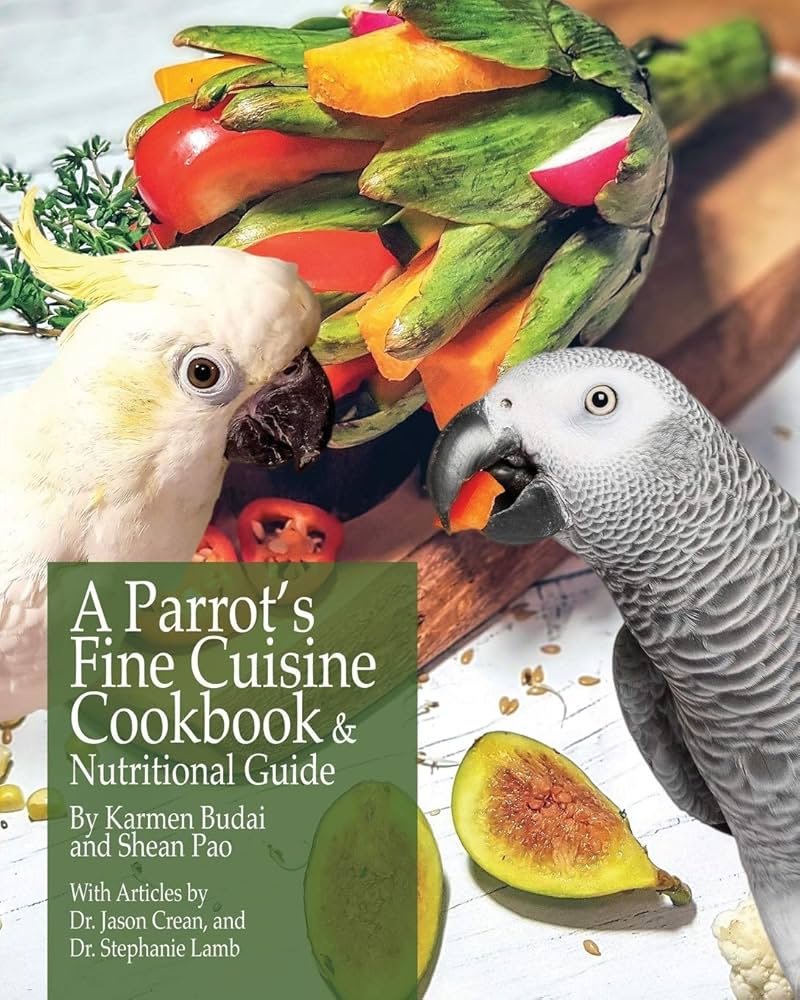
Caring for a parakeet involves providing a balanced and varied diet to ensure their health and happiness. While seeds and pellets form the staple of their nutrition, fresh foods like fruits, vegetables, and herbs play a crucial role in offering essential vitamins, minerals, and an engaging sensory experience. Introducing these fresh items can be a delightful way to enrich your parakeet’s life, but it’s important to know which options are safe and how to offer them appropriately. This guide will delve into the world of fresh foods for your parakeet, ensuring you can provide a diverse and healthy diet.
The Importance of Fresh Foods in a Parakeet’s Diet
Fruits and vegetables are not just treats for pet parakeets; they are an integral part of a standard diet. Parakeets naturally enjoy exploring different textures and tastes, and fresh foods contribute significantly to their sensory world. Unlike with human children, it’s perfectly acceptable for parakeets to engage with their food playfully, which is part of their natural foraging behavior.
Offering Fresh Foods Safely
When introducing fresh foods, always offer them raw. If your parakeet seems initially wary of a new food, persevere. Often, once they overcome their initial hesitation and try it, they will develop a fondness for it. It’s essential to remove uneaten fresh food from the cage at the end of each day. Many fresh foods, particularly fruits, contain natural sugars that can quickly ferment and develop into a bacterial bloom, which can be detrimental to a parakeet’s health.
A Bounty of Greens: Parakeet Vegetables
Vegetables should be a daily component of your parakeet’s menu. A good indicator of overindulgence in fresh foods is if the bird’s droppings appear watery. If this occurs, simply reduce the amount of fresh food for a day or two until their droppings return to normal.
Here is a list of vegetables that parakeets typically enjoy:
- Asparagus
- Beetroot
- Broccoli
- Brussels sprouts (ensure they are chopped)
- Carrots (including carrot greens)
- Cauliflower
- Celery (stalks only)
- Chard
- Chicory
- Chinese leaves
- Cilantro
- Courgette (Zucchini)
- Cress
- Cucumber
- Eggplant (ensure no green parts are included)
- Endive
- Fennel
- Jerusalem artichoke
- Kale
- Kohlrabi
- Mustard greens
- Pak choi
- Parsley
- Parsnip
- Peas (shelled)
- Peppers of all kinds (including spicy varieties)
- Pumpkin
- Radish
- Rutabaga
- Salsify
- Savoy cabbage
- Spinach
- Spring greens
- Squash
- Sweet Potatoes
- Sweetcorn
- Tomato (only ripe ones)
- Turnip tops (the green sprouts)
- Yam
Herbaceous Delights: Parakeet Herbs
Many common herbs can be safely offered to your pet parakeet. These are readily available from supermarkets or can be easily grown at home.
Here are some recommended herbs:
- Basil (Ocimum basilicum)
- Borage (Borago officinalis)
- Chervil (Anthriscus cerefolium)
- Chives (Allium schoenoprasum)
- Coriander (cilantro) (Coriandrum sativum)
- Cress (Lepidium sativum)
- Fennel (Foeniculum vulgare)
- Lemon balm (Melissa officinalis)
- Lemongrass (Cymbopogon citratus)
- Lovage (Levisticum officinale)
- Marjoram (Origanum majorana)
- Purslane (Portulaca oleracea)
- Rocket (Eruca sativa)
- Salad burnet (Sanguisorba minor)
- Savory (Satureja hortensis)
- Sorrel (Rumex acetosa)
- Tarragon (Artemisia dracunculus)
Certain herbs should be given in moderation due to their potential to cause digestive irritation if over-consumed:
- Dill (Anethum graveolens)
- Mint (Mentha – various varieties exist)
- Oregano (Origanum vulgare)
- Rosemary (Rosmarinus officinalis)
- Sage (Salvia officinalis)
Parsley (Petroselinum crispum) also requires careful consideration. While many parakeets develop a liking for it, excessive consumption can interfere with their ability to absorb calcium. Parsley is mildly toxic, but a bird would need to eat a substantial amount over several days to experience adverse effects. Exploring diverse options for your bird’s diet can be as simple as looking into food for budgies at home, ensuring a varied intake.
Sweet Selections: Parakeet Fruits
When offering fruits, moderation is key due to their sugar content. Aim to provide two or three different types of fruit in small portions, about twice a week.
Here are some fruits suitable for parakeets:
- Apple (segments, pips removed)
- Apricot
- Banana
- Bilberry
- Blackberry (bramble)
- Blueberry
- Cherries (stones removed)
- Common whitebeam berries
- Cranberry
- Currants (black, red, and white – referring to the fruit, not dried grapes)
- Dogwood (bitter, but palatable to some)
- Elderberry (ensure only ripe fruit is offered; leaves and stems are toxic)
- Gooseberry
- Grapes
- Grenadine
- Guava
- Kiwi
- Loquat
- Mango
- Melon (all varieties)
- Mulberry (fruit and leaves)
- Nectarine (stone removed)
- Oranges and similar citrus fruits (clementines, mandarins, satsumas, tangerines)
- Papaya
- Passion fruit
- Peach (stone removed)
- Pears (segments, pips removed)
- Persimmon (ripe ones only)
- Pineapple
- Plum
- Quince
- Raspberry
- Rosehips (sliced in half)
- Sharon fruit
- Sloe (Blackthorn) (freezing can reduce bitterness)
- Strawberry
Dried Fruit Considerations
If offering dried fruit, ensure it is organic, unsulfured, and contains no added sweeteners. Good options include dried apricots, prunes, figs, mango, and papaya. These should be given as occasional treats rather than daily staples. Avoid dates, sultanas, raisins, and currants, as their high fructose content can lead to unhealthy weight gain in birds.
The Organic Advantage and Other Treats
Feeding your birds organic fresh produce is the best way to ensure they are not exposed to toxic herbicides, fungicides, or preservatives. If organic options are not available, thorough washing of all fruits and vegetables is essential. The same principle applies to sourcing organic seeds and grains.
Parakeets are naturally inquisitive birds, and offering novelties can be an enjoyable part of their enrichment. In addition to fresh foods, you can provide shop-bought treats or millet spray. Small amounts of cooked wholemeal pasta or brown rice (without added salt), nuts (almond, brazil, cashew, filbert, macadamia, pecan, pistachio, walnut), a little dried fruit, and even dried mealworms (the type fed to insectivorous garden birds) can be offered.
Small pieces of chopped cooked meat or fish, as well as chopped hard-boiled eggs, are also acceptable additions. Crucially, never offer these items raw, and always remove any uneaten portions after a few hours. While parakeets do not typically consume insects in the wild, aviary birds might develop a taste for them. This is generally not a concern unless they appear to be over-consuming this high-protein food source. For birds kept indoors, these types of “al fresco” foods are not necessary. If you’re interested in providing a varied diet, understanding mine that bird trainer wife might offer insights into specialized care, though this is not directly related to parakeet nutrition.
In conclusion, offering a diverse range of fresh fruits, vegetables, and herbs is vital for your parakeet’s health and well-being. By adhering to safe preparation methods and offering these foods in appropriate quantities, you can ensure your feathered companion enjoys a rich, healthy, and engaging diet. Always prioritize fresh, organic options and monitor your bird’s droppings for any signs of digestive upset.
