
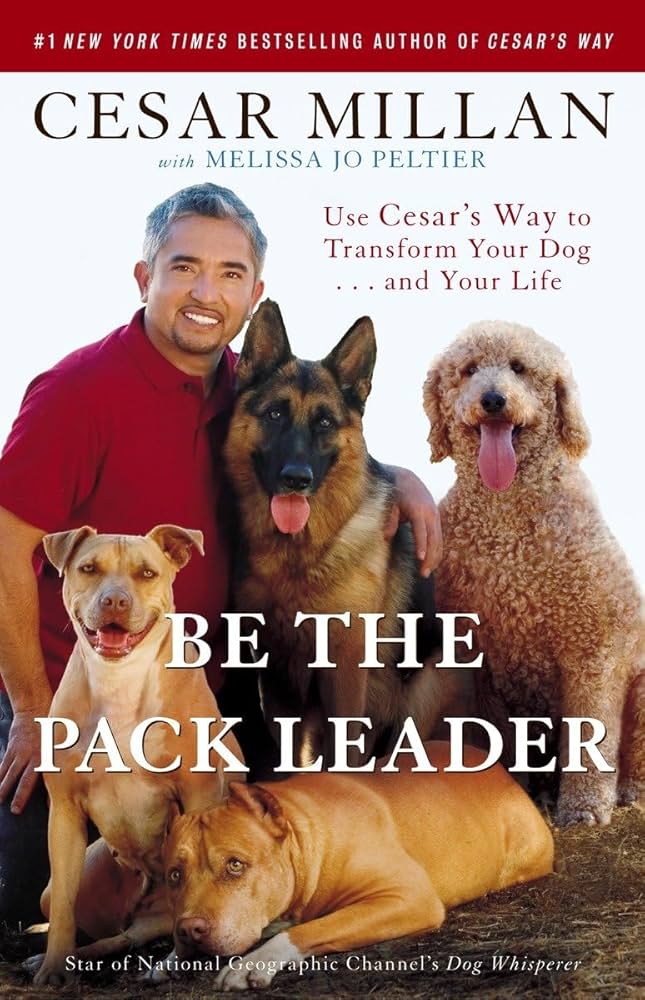
The idea of a “pack leader” in dog training has been around for decades, popularized by figures like Cesar Millan. It suggests that dogs, as descendants of wolves, naturally operate within a hierarchical pack structure and look to a human leader for guidance and security. Understanding this concept, often referred to as “Pack Leader Dog Training,” can be a powerful tool for fostering a well-behaved and balanced canine companion. This approach emphasizes clear communication, consistent boundaries, and establishing yourself as the calm, assertive leader your dog needs.
For many dog owners, the journey to understanding their furry friend’s behavior can feel like a complex puzzle. Dogs communicate in ways that are not always obvious to us humans, and sometimes, their actions can lead to frustration or confusion. This is where the principles of pack leadership come into play, offering a framework for building a stronger bond and achieving better obedience. It’s not about dominance in a harsh or aggressive sense, but rather about providing the structure and direction that dogs, by their nature, thrive on.
The Wolf Ancestry: A Foundation for Pack Dynamics
To truly grasp pack leader dog training, we need to look at our dogs’ wild ancestors: wolves. Wolves live in complex social groups, or packs, with a clearly defined hierarchy. This hierarchy isn’t about constant fighting; it’s a system that ensures order, cooperation, and the survival of the group. A dominant pair, often called the “alpha” pair, leads the pack, making decisions about hunting, territory, and the overall direction of the group.
Wolves that understand their place in the pack are generally calmer and more secure. They know who to look to for cues and feel confident in the structure. This innate social programming is still present in our domestic dogs, even after thousands of years of cohabitation with humans. While your pet dog isn’t living in a wild wolf pack, these deep-seated instincts still influence their behavior and how they perceive their relationship with you. Recognizing these inherited traits is the first step in effectively applying pack leader principles.
What Does it Mean to be a “Pack Leader” for Your Dog?
Being a pack leader for your dog doesn’t mean being a dictator or a bully. Instead, it’s about embodying certain qualities that your dog naturally respects and looks for in a leader. These qualities include calmness, confidence, consistency, and assertiveness.
- Calmness: Dogs are highly attuned to our emotional states. If you are anxious, stressed, or fearful, your dog will pick up on it and may mirror those emotions, leading to anxious behaviors. A pack leader remains calm, even in challenging situations, providing a sense of stability for their dog.
- Confidence: A confident leader instills trust. Your dog needs to believe that you are capable of handling situations and making decisions. This doesn’t mean being loud or aggressive; it’s a quiet, assured presence that says, “I’ve got this.”
- Consistency: Dogs thrive on routine and predictability. Inconsistent rules or discipline confuse them and can lead to behavioral problems. A pack leader sets clear rules and enforces them consistently, leaving no room for doubt in the dog’s mind about what is expected.
- Assertiveness: This is about setting boundaries and guiding your dog’s behavior appropriately. It means calmly intervening when your dog is exhibiting unwanted behavior or needs redirection, rather than allowing them to dictate the terms of the interaction. This might involve tasks like guiding them through doorways, controlling when they eat, or directing their play.
Essentially, you are providing your dog with the structure and guidance that nature intended them to have. This role can be learned through various methods, and understanding pack leader dog training is key.
Key Principles of Pack Leader Dog Training
Pack leader dog training revolves around several core principles that help establish your role as the leader and foster a harmonious relationship with your dog.
1. Establishing Structure and Rules
Dogs need to understand the boundaries of their environment and what is acceptable behavior within the human “pack.” This means setting clear rules and sticking to them.
- Where does the dog sleep? Designating a specific bed or crate as their personal space, rather than allowing them free roam of the entire house, reinforces that they have their own place within the pack.
- When does the dog eat? Feeding your dog after you have eaten, or at a set time, reinforces that resources are controlled by the leader. This is a concept deeply ingrained in wolf pack dynamics.
- Access to spaces: Deciding when and where your dog is allowed to go can also be part of establishing leadership. For instance, teaching them to wait at doorways until you give them permission to pass is a classic example of pack leader training.
2. Calm-Assertive Energy
This is perhaps the most crucial element. Your energy is a powerful communication tool for your dog.
- Responding to Excitement: When your dog is overly excited or anxious, avoid matching their energy. Instead, remain calm and still, or gently guide them into a calmer state. This teaches them that you are the source of calm and control.
- Addressing Nipping and Jumping: If your dog jumps up for attention or nips playfully, a calm-assertive response is to disengage. Turn away, withhold attention, or use a calm, firm sound to interrupt the behavior. Re-engage only when they are in a calmer state. For more complex training needs, resources like cesar millan videos dog training can offer practical demonstrations.
3. Exercise, Discipline, and Affection (The “ED-A” Formula)
Cesar Millan famously popularized the “Exercise, Discipline, Affection” formula. While the order is important, all three are vital components.
- Exercise: A tired dog is a good dog. Ensuring your dog gets adequate physical and mental stimulation is fundamental. This goes beyond a simple walk; it can include play, puzzle toys, and training sessions.
- Discipline: This refers to setting boundaries and correcting unwanted behaviors in a calm and consistent manner. It’s about teaching your dog what is expected and what is not acceptable. For individuals seeking professional guidance, understanding options like alpha dog training near me can be beneficial.
- Affection: Affection should be earned, not freely given when the dog is demanding or misbehaving. Reward calm, desired behaviors with praise, petting, and positive attention. This reinforces the bond and shows your dog that good behavior leads to positive outcomes.
4. Reading Your Dog’s Body Language
Effective pack leadership requires understanding how your dog communicates. Learning to read their body language – tail wags, ear position, posture, lip licks, yawns – is essential for anticipating their needs and intervening appropriately. A subtle shift in posture might signal anxiety, while a relaxed body indicates contentment. Understanding these cues allows you to address issues before they escalate.
Common Misconceptions About Pack Leader Training
The term “pack leader” can sometimes be misinterpreted, leading to concerns about harshness or outdated training methods. It’s important to clarify these misconceptions:
- It’s not about dominance through force: True pack leadership isn’t about overpowering your dog with physical force or intimidation. It’s about guiding them with a calm, confident, and consistent demeanor. Aggression from the human often elicits aggression or fear in the dog.
- It doesn’t mean suppressing your dog’s personality: Pack leader training aims to channel your dog’s natural instincts and energy into positive behaviors, not to create a robotic or fearful animal. A well-trained dog is still a dog, with their own unique personality and zest for life.
- Affection is still crucial: Affection is a vital part of the human-canine bond. However, in pack leader training, affection is often framed as something that is earned through good behavior and respect for the established structure. This doesn’t mean withholding love, but rather timing it appropriately. If you are looking for specific techniques, exploring resources such as leader of the pack dog training llc might provide further insights.
Implementing Pack Leader Principles in Your Daily Life
Integrating pack leader concepts into your daily routine can transform your relationship with your dog.
Morning Routine
Start the day by establishing your leadership. This could involve having your dog wait patiently while you get ready, before being fed, or before going out for their morning walk. A simple command like “wait” at the door before heading out reinforces that you control their movements.
During Walks
Walks are an excellent opportunity to practice leadership. Your dog should walk beside or slightly behind you, not pulling ahead. This signifies that you are leading the way. If your dog lunges at other dogs or people, calmly interrupt the behavior and redirect their attention. The goal is a peaceful, controlled journey, not a tug-of-war. For those interested in advanced techniques, monks of new skete dog training offers a unique perspective on canine behavior and leadership.
Meal Times
As mentioned, controlling meal times is a key pack leader principle. Ensure your dog waits calmly for their food and only eats when you give the release command. This teaches patience and respect for resources.
Training Sessions
Incorporate short, consistent training sessions throughout the day. Focus on basic obedience commands using positive reinforcement. When your dog successfully performs a command, reward them with praise or a small treat. This strengthens their understanding and builds confidence in your guidance. The expertise of a professional like a cesar milan dog trainer can be invaluable in refining these techniques.
Benefits of Pack Leader Dog Training
Adopting a pack leader approach can bring numerous benefits:
- Improved Obedience: Dogs are more likely to listen and respond to commands when they understand and respect your role as the leader.
- Reduced Behavioral Problems: Clear boundaries and consistent discipline can help mitigate common issues like excessive barking, chewing, jumping, and anxiety.
- Stronger Bond: Establishing trust and clear communication deepens the connection between you and your dog, creating a more harmonious relationship.
- Increased Confidence for Your Dog: Knowing their place and having a reliable leader provides dogs with a sense of security and reduces anxiety.
- A More Peaceful Household: When a dog understands the rules and their role, the overall atmosphere in the home becomes calmer and more predictable for everyone.
Ultimately, pack leader dog training is about understanding your dog’s innate needs and fulfilling them with love, consistency, and clear guidance. It’s a philosophy that respects canine nature and fosters a relationship built on mutual trust and respect, ensuring your dog thrives as a well-adjusted member of your human pack.
