
Embarking on the journey of owner-training a service dog is a rewarding, albeit challenging, endeavor. It’s a path that requires immense dedication, patience, and a deep understanding of canine behavior and training principles. This guide aims to equip you with the essential knowledge and steps to successfully train your own service dog, fostering a strong bond and a capable partnership. While professional training exists, owner-training offers a unique opportunity to shape a dog specifically tailored to your needs, creating an unparalleled level of connection and reliability.
Understanding Service Dogs and Owner Training
A service dog is not just a pet; it’s a highly trained canine partner that performs specific tasks to mitigate a person’s disability. These tasks can range from retrieving dropped items for individuals with mobility impairments to providing deep pressure therapy for those with anxiety disorders. The Americans with Disabilities Act (ADA) defines service animals as dogs individually trained to do work or perform tasks for the benefit of an individual with a disability. Owner-training means you, as the handler, are responsible for all aspects of the dog’s training, socialization, and well-being. This often involves extensive research and commitment, far exceeding that of standard obedience training.
The Initial Stages: Selecting and Preparing Your Canine Partner
The foundation of a successful service dog team begins with the right dog. Not every dog is suited for this demanding role.
Choosing the Right Breed and Temperament
While many breeds can be trained as service dogs, some are more predisposed to the work due to their temperament, trainability, and physical capabilities. Breeds like Labrador Retrievers, Golden Retrievers, and Standard Poodles are popular choices, known for their intelligence, eagerness to please, and stable temperaments. However, temperament is more crucial than breed alone. Look for a dog that is:
- Confident and not easily startled: A service dog will encounter various environments and stimuli.
- Sociable and friendly: They must be comfortable around people and other animals.
- Trainable and eager to please: A strong desire to work with their handler is essential.
- Physically sound: Ensure the dog has good hips, elbows, and overall health to handle the demands of the job.
When considering puppies, observe their interactions in the litter. A puppy that is curious, moderately playful, and not overly shy or aggressive is a good candidate. For adult dogs, seek out those with a proven track record of good temperament, perhaps from a rescue organization that can provide insights into their past behavior.
Essential Health Screenings and Vet Care
Before embarking on training, ensure your dog is in excellent health. This involves:
- Veterinary Check-up: A thorough examination by a veterinarian to rule out any underlying health issues.
- Genetic Testing: Depending on the breed, genetic testing for conditions like hip dysplasia, elbow dysplasia, and certain eye or heart conditions is highly recommended. Responsible breeders will have already performed these tests.
- Vaccinations and Parasite Prevention: Keep your dog up-to-date on all necessary vaccinations and parasite preventatives.
Establishing a strong relationship with a veterinarian who understands the demands of service dog work is invaluable. They can guide you on health, nutrition, and potential issues that may arise during training.
Socialization: The Cornerstone of a Well-Behaved Service Dog
Proper socialization is paramount for a service dog. It involves exposing your dog to a wide variety of sights, sounds, people, and environments in a positive and controlled manner. This process should begin as early as possible, ideally in puppyhood, and continue throughout the dog’s life.
- Exposure to different surfaces: Grass, pavement, gravel, carpet, grates.
- Diverse human interaction: People of all ages, ethnicities, and appearances, including those using mobility aids or wearing uniforms.
- Various environments: Stores, public transportation, busy streets, quiet parks, medical facilities (when appropriate and allowed).
- Noise desensitization: Loud noises, alarms, traffic, crowds.
The goal is to ensure your dog remains calm, confident, and non-reactive in any situation. Always make these exposures positive, using treats and praise. Avoid overwhelming your dog; gradual introductions are key.
Foundational Obedience and Task Training
Once your dog has a solid foundation in socialization and basic obedience, you can begin task-specific training.
Mastering Basic Obedience
A service dog must have impeccable manners. This includes:
- Sit, Stay, Down, Come: Perfected to a high degree of reliability, even with distractions.
- Loose-Leash Walking: The dog should walk calmly by your side without pulling, even in crowded areas.
- Leave It: Crucial for preventing the dog from picking up inappropriate items or being distracted by food on the floor.
- Go to Mat/Place: Teaching the dog to go to a designated spot and stay there until released.
These commands form the bedrock upon which task training is built. They ensure control and responsiveness in all situations.
Introducing Task-Specific Training
This is where you train your dog to perform the specific tasks that mitigate your disability. This process is highly individualized.
- Retrieving: Teach your dog to pick up, hold, and deliver items like keys, phones, or dropped medication. Start with easy-to-grasp objects and gradually progress to more challenging ones.
- Alerting: For medical alert dogs (e.g., for diabetic alerts or seizure alerts), this involves training the dog to recognize physiological changes and alert you through a specific behavior, like pawing or nudging. This often requires scent training or behavior-shaping techniques.
- Mobility Support: Tasks like counterbalance, bracing, or opening doors require specialized training and a dog with the appropriate physical build and strength.
- Deep Pressure Therapy (DPT): Training the dog to lie on or lean against the handler to provide calming pressure.
Training should always be positive and reward-based. Break down complex tasks into small, manageable steps, rewarding each successful approximation. Consistency, patience, and clear communication are vital.
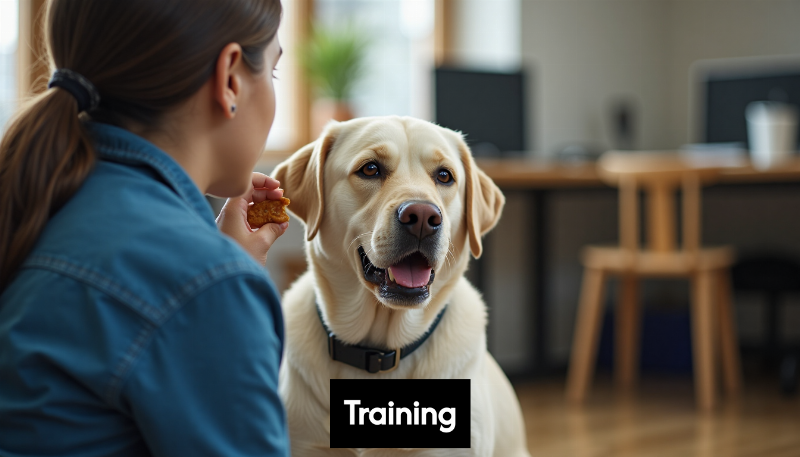 Owner training a service dog involves detailed steps from selection to advanced task training, requiring patience and expertise.
Advanced Training and Public Access
The final stages involve ensuring your dog can perform reliably in public settings and generalize their training to real-world scenarios.
Public Access Skills
This is arguably the most critical aspect of service dog training. A service dog must be well-behaved and unobtrusive in public. This includes:
- Ignoring distractions: Food, other animals, people, interesting smells.
- Appropriate behavior in different locations: Calmness in stores, restaurants, on public transport, and in medical settings.
- Maintaining handler focus: The dog should always be attentive to its handler, not wandering off or seeking attention from strangers.
- Hygiene: The dog must be clean and well-groomed, and eliminate only in appropriate areas.
Practicing public access skills requires gradually introducing your dog to more challenging environments. Start with quiet places and progressively move to busier, more stimulating locations. Always be prepared to advocate for your rights and educate others about service dog etiquette.
Handler-Dog Teamwork and Communication
The bond between a handler and their service dog is built on trust and clear communication. As an owner-trainer, you develop an intimate understanding of your dog’s body language, cues, and capabilities. This allows for a seamless partnership where the dog anticipates needs and the handler provides clear direction.
Consider attending workshops or seeking guidance from experienced service dog trainers to refine your team’s skills. They can offer invaluable feedback and help you troubleshoot any challenges.
Legal Rights and Responsibilities
Understanding your rights and responsibilities as a service dog handler is crucial.
Navigating Public Access Rights
Under the ADA, service dogs are allowed access to public places where the public is generally permitted. However, handlers are responsible for the dog’s behavior. If a dog is out of control, not house-trained, or poses a direct threat, a business can ask the handler to remove the dog.
Documentation and Identification
While the ADA does not require service dogs to wear vests or carry identification, these items can help with public recognition and prevent harassment. However, businesses cannot demand documentation or charge extra fees for service dogs. The only permissible questions are: (1) Is the dog a service animal required because of a disability? and (2) What work or task has the dog been trained to perform?
The Ongoing Journey: Maintenance and Continuing Education
Service dog training is not a one-time event; it’s an ongoing commitment.
Maintaining Skills and Introducing New Tasks
Regular practice is essential to maintain the high level of obedience and task performance. As your needs evolve, you may need to train new tasks or refine existing ones. Continue to expose your dog to new environments and situations to keep their socialization sharp.
When to Consider Professional Help
Owner-training is a significant undertaking. If you encounter persistent behavioral issues, struggle with specific training techniques, or feel overwhelmed, do not hesitate to seek professional assistance. A qualified service dog trainer can provide targeted guidance and help you and your dog overcome obstacles. While the goal is owner-training, acknowledging when external expertise is beneficial is a sign of a responsible handler.
Owner-training a service dog is a profound journey that builds an extraordinary partnership. By committing to thorough research, consistent training, and understanding your dog’s needs, you can empower yourself and your canine companion to navigate the world with confidence and independence.
