
Protecting your dog from ticks is a critical part of their overall health and well-being. Ticks are not just a nuisance; they can transmit serious diseases that pose significant risks to your canine companion, and sometimes even to humans. While many effective prescription-strength medications are available, many dog owners seek convenient and accessible Over The Counter Tick Medicine For Dogs. This guide delves into everything you need to know about choosing, using, and understanding non-prescription tick prevention for your beloved pet, helping you make an informed decision to keep them safe.
Why Tick Prevention is Crucial for Your Dog’s Health
Ticks are ectoparasites, meaning they live on the outside of their host, feeding on blood. A single tick bite can directly impact your dog’s health, causing localized skin irritation, infections, or even paralysis. More alarmingly, ticks can harbor and spread a variety of dangerous diseases to dogs, including:
- Lyme disease
- Ehrlichiosis
- Anaplasmosis
- Rocky Mountain Spotted Fever
- Babesiosis
Some of these tick-borne diseases can even spread to people, highlighting the critical need to keep ticks off your dog and out of your home environment. Consistent tick prevention is a cornerstone of responsible pet ownership.
When Is Tick Prevention Necessary?
Ticks are remarkably hardy and can thrive in diverse geographical areas and climates. This means that year-round prevention is generally recommended for dogs, regardless of their location or the season. It’s important to start tick prevention for your dog as early as 8 weeks old (always checking product labels for specific age guidelines) and continue throughout their entire life. Even in colder months, ticks can survive in protected environments, making continuous protection essential.
Understanding Over-the-Counter (OTC) vs. Prescription Tick Medicine
When exploring tick prevention options, you’ll encounter products available both over-the-counter and by veterinary prescription. Understanding the differences is key to choosing the right option for your dog.
Over-the-Counter (OTC) Tick Products
Over the counter tick medicine for dogs does not require a veterinarian’s prescription and can be purchased readily online or in pet stores. These products offer convenience and are often more budget-friendly upfront. They typically contain active ingredients like fipronil, permethrin, pyriproxyfen, or imidacloprid, which are effective against various parasites.
The primary advantage of OTC options is their accessibility. However, it’s crucial to acknowledge that while many OTC tick treatments are effective, their spectrum of protection or duration might differ from prescription alternatives. It’s always wise to consult your veterinarian, even when opting for an OTC product, to ensure it’s the safest and most effective choice for your pet’s specific needs and local parasite risks. Seeking the best tick prevention for dogs without a vet prescription still requires a careful approach.
Prescription Tick Products
Prescription tick preventatives require a veterinarian’s authorization. These products often feature newer active ingredients (such as those in the isoxazoline class like sarolaner, afoxolaner, fluralaner, or lotilaner) and may offer broader protection against multiple parasites, including heartworms and various intestinal worms, in addition to fleas and ticks. They are often highly effective and fast-acting. While typically costing more, many veterinarians recommend prescription products due to their proven efficacy, safety profile, and comprehensive parasite control.
Key Factors to Consider When Choosing Over-the-Counter Tick Medicine
Selecting the right over the counter tick medicine for dogs involves more than just picking up the first box you see. Careful consideration of several factors will help you choose the most effective and safe option for your dog.
1. Application Method
OTC tick preventatives commonly come in various forms, each with its own advantages:
- Topical Solutions (Spot-ons): These liquids are applied directly to the skin, typically between the shoulder blades or down the back. They are a good option for picky eaters or dogs with sensitive stomachs who might reject oral medications. However, they require careful application to prevent small children or other pets from touching or licking the treated area before it dries. Water exposure (frequent swimming or bathing) can also affect their efficacy, so check product labels for water-resistant claims and reapplication guidelines.
- Tick Collars: Modern tick collars, like Seresto, release active ingredients that spread over the dog’s skin and coat, killing and repelling ticks for several months. They offer long-lasting convenience. Ensure the collar fits snugly but comfortably, and monitor your dog for any skin irritation. The effectiveness can sometimes be reduced with very frequent bathing or swimming, so follow the manufacturer’s instructions.
- Chewable Tablets: While many highly effective chewable tick medicines are prescription-only, some older or less potent options might be available OTC, primarily targeting fleas. If you’re looking for a chewable tick medicine for dogs without a prescription, carefully check the label to ensure it explicitly states efficacy against ticks, not just fleas, and always consult your vet. If you do use oral treatments, ensure your dog consumes the entire tablet and doesn’t vomit it up.
2. Target Parasites
Some OTC products are effective against fleas only, while others offer combination protection against both fleas and ticks. Given our focus on ticks, ensure the product you choose explicitly lists ticks (and ideally, different species of ticks prevalent in your area) among the parasites it controls. Some combination products may also offer protection against chewing lice or repel mosquitoes. Understanding your dog’s specific risk profile will guide this choice.
3. Geographic Location and Risk Factors
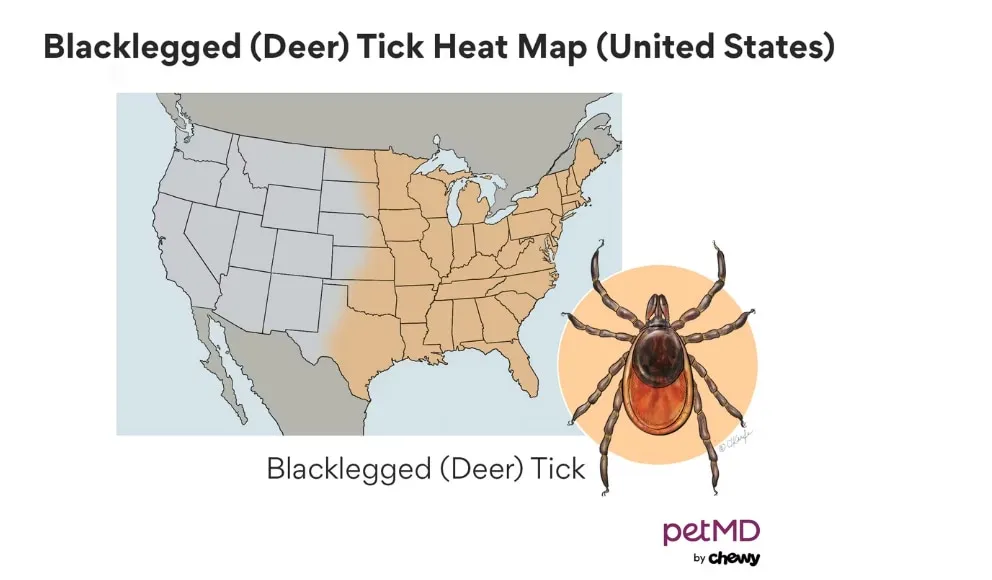
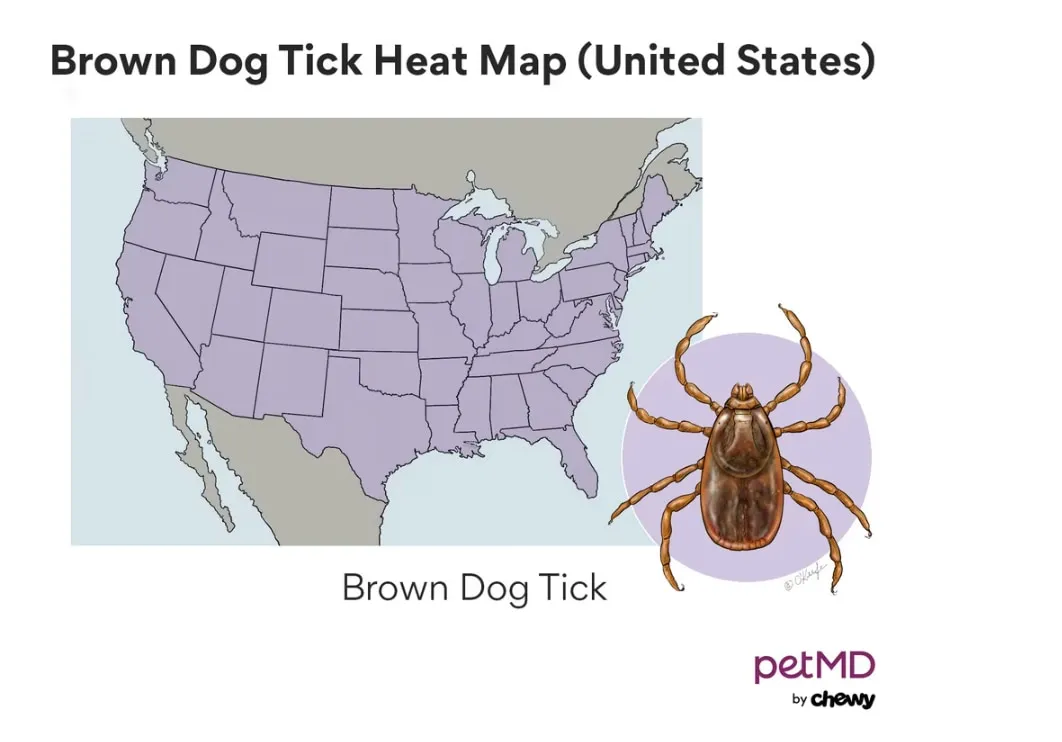
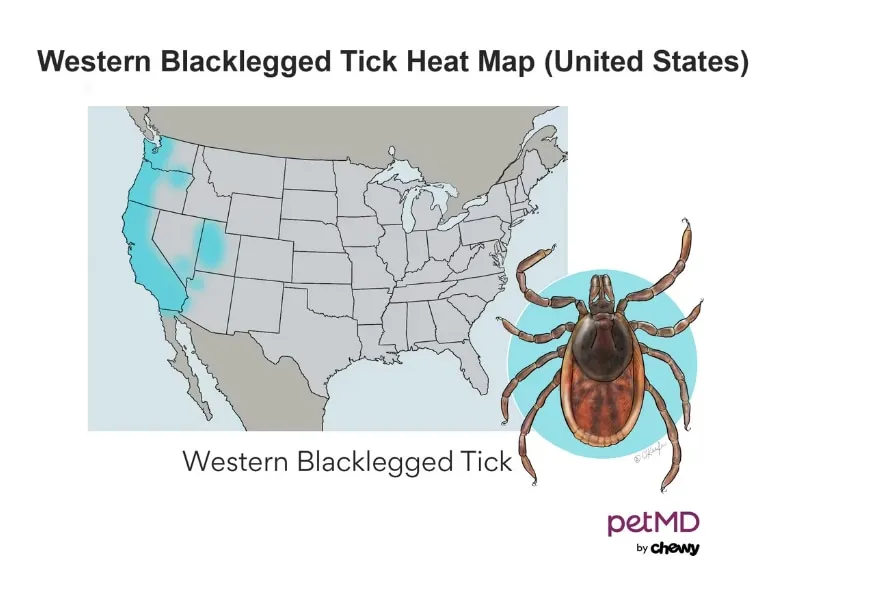
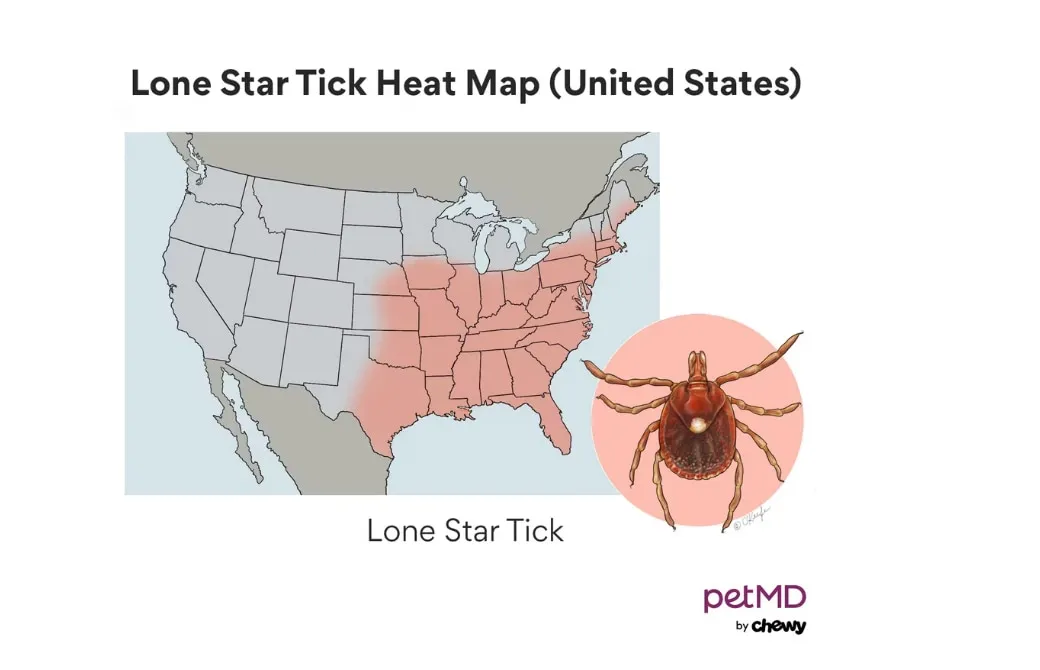
Different geographic locations host varying local parasite populations. For instance, the types of ticks common in a wooded, rural area might differ significantly from those found in a suburban park. Resources like the Companion Animal Parasite Council (CAPC) can help identify parasites in your region. This information is crucial for selecting an over the counter flea and tick medicine that offers the necessary protection against local threats. If your dog frequently explores dog parks, hiking trails, or wooded areas, their risk of exposure to ticks is higher, demanding a robust preventative. Even indoor dogs need protection, as ticks can hitch a ride into your home on clothing or other pets.
 Dog getting a tick removed
4. Dog’s Specific Needs
- Age and Weight: All tick preventatives have minimum age and weight requirements. Always check the product label to ensure it’s suitable for your puppy or small breed dog. Most are for dogs 8 weeks or older and above a certain weight threshold.
- Breed (MDR-1 Gene): Certain breeds, such as Collies, Australian Shepherds, and Shetland Sheepdogs, may carry the MDR-1 gene mutation, which affects their ability to metabolize certain medications. While many modern parasite preventatives are tested for safety on MDR-1 sensitive breeds, it’s always best to discuss this with your vet, especially before using an OTC product.
- Lifestyle: A working or hunting dog spending extensive time outdoors in high-risk environments will likely need more comprehensive protection than a primarily indoor companion. However, even low-activity dogs require year-round prevention.
- Medical Conditions: If your dog has a history of seizures, neurological disorders, or has previously experienced an allergic reaction to medication, extreme caution is advised. While some active ingredients in prescription products (like isoxazolines) are known to potentially exacerbate seizures in sensitive dogs, it’s crucial to discuss any medical conditions with your veterinarian before administering any tick medicine, including OTC options. Never use any preventative without thorough veterinary discussion if your dog is sick, underweight, pregnant, nursing, or intended for breeding.
 Dog looking up curiously
5. Active Ingredients
Common active ingredients in OTC tick medicine for dogs include:
- Fipronil: Often found in spot-ons, it kills adult fleas and ticks by affecting their nervous system.
- Permethrin: A synthetic pyrethroid that repels and kills ticks and other insects. Crucially, permethrin is highly toxic to cats, so extreme caution is needed in multi-pet households.
- Pyriproxyfen / (S)-methoprene: Insect growth regulators that target flea eggs and larvae, breaking the flea life cycle. They often work in conjunction with adulticides for comprehensive flea control and may be present in combination flea and tick products.
- Imidacloprid: A neonicotinoid insecticide that quickly paralyzes and kills adult fleas and is often combined with other ingredients for tick control.
- Flumethrin: An ingredient commonly found in tick collars, working to kill and repel ticks for an extended period.
Always read the product label to understand the active ingredients and ensure they target the parasites you are concerned about.
 Dog looking outside through window
6. Duration of Efficacy & Water Resistance
OTC products vary in how long they remain effective. Most topical solutions require monthly application, while collars can last for several months. Consider your dog’s bathing habits and exposure to water, as this can impact the product’s longevity and effectiveness. Always follow the manufacturer’s recommended application schedule.
Popular and Effective Over-the-Counter Tick Medicine Options for Dogs
Many reputable brands offer effective over the counter tick medicine for dogs. Here’s a look at some popular choices that are typically available without a veterinary prescription and specifically provide tick protection. Remember to always confirm the specific product’s claims and suitability for your dog with your veterinarian.
Topical Spot-on Treatments
Topical solutions are a popular choice due to their ease of application.
- Frontline Gold / Frontline Plus / Frontline Shield: These are well-known brands offering topical monthly protection.
- Frontline Gold contains fipronil, (s)-methoprene, and pyriproxyfen. It’s fast-acting against fleas, ticks, and chewing lice. It’s typically for dogs and puppies over 8 weeks and weighing over 5 pounds.
- Frontline Plus contains fipronil and (s)-methoprene, killing fleas, ticks, and chewing lice. It’s also for dogs over 8 weeks and 5 pounds, and is generally fast-acting.
- Frontline Shield incorporates fipronil, permethrin, and pyriproxyfen. It kills fleas, ticks, chewing lice, and stable flies, and also repels mosquitoes, stable flies, and ticks. It begins killing fleas in five minutes and ticks within one hour. This product should only be used in dogs and puppies over 9 weeks and weighing more than 5 pounds. Important Note: Frontline Shield, like K9 Advantix II and Vectra 3D, contains permethrin and is highly toxic to cats. Exercise extreme caution in multi-cat households.
- K9 Advantix II: This topical monthly product combines imidacloprid, permethrin, and pyriproxyfen. It repels and kills fleas, ticks, mosquitoes, and chewing lice, and also repels biting flies. It’s fast-acting, starting to kill parasites within hours, and is for dogs and puppies over 7 weeks old and weighing more than 4 pounds. As with Frontline Shield, K9 Advantix II is highly toxic to cats and should be used with extreme caution in households with felines.
- Onguard Plus: This topical monthly solution contains fipronil and (s)-methoprene, offering protection against fleas, ticks, sarcoptic mange, and chewing lice. It is generally used for dogs and puppies over 8 weeks old and weighing more than 5 pounds.
- Vectra 3D: A topical monthly product with dinotefuran, permethrin, and pyriproxyfen. It repels and kills fleas, ticks, mosquitoes, chewing lice, sand and biting flies, and some mites. Vectra 3D begins killing parasites within hours and is for dogs and puppies over 8 weeks old and weighing more than 5 pounds. Again, this product contains permethrin and is highly toxic to cats. Avoidance or extreme caution is essential in cat-owning homes.
Tick Collars
Tick collars provide a convenient, long-lasting form of protection for dogs.
- Seresto Collar: This popular collar contains imidacloprid and flumethrin. It kills and repels fleas and ticks for eight months, making it one of the longest-lasting OTC options. Fleas are typically killed within 24 hours of application and ticks within 48 hours. Seresto collars are suitable for dogs and puppies over 7 weeks of age. While generally durable, very frequent bathing or swimming (more than once a month) may reduce its efficacy over time, potentially requiring replacement every five months. The Seresto collar is a strong contender for the best over the counter flea & tick treatment for dogs for many pet owners due to its extended protection.
 Dog wearing a tick collar
When to Consult Your Veterinarian (Even for OTC Options)
While over the counter tick medicine for dogs offers convenient protection, the guidance of a veterinarian remains invaluable. You should always consult your vet:
- Before starting any new tick preventative: They can assess your dog’s health, lifestyle, and local parasite risks to recommend the most appropriate product.
- If you are unsure about dosage or application: Especially with puppies or small dogs, precise dosing is crucial for safety and efficacy.
- If your dog has pre-existing medical conditions: Conditions like seizures, allergies, or pregnancy necessitate careful consideration of ingredients.
- If you notice any adverse reactions: Signs like skin irritation, vomiting, lethargy, or behavioral changes warrant immediate veterinary attention.
- If the OTC product doesn’t seem to be working: Persistent tick infestations or ongoing health concerns suggest the need for a different approach, potentially a prescription option.
- For comprehensive parasite control: Many OTC products focus primarily on fleas and ticks. A veterinarian can recommend a comprehensive parasite control plan that includes protection against heartworms and intestinal worms, which often require prescription medications. For a holistic approach to your dog’s health, discussing all aspects of dog flea tick medicine with a professional is essential.
Conclusion
Choosing the right over the counter tick medicine for dogs is a vital step in ensuring your canine companion lives a healthy, happy, and parasite-free life. While OTC options offer accessibility and convenience, it’s crucial to make an informed decision based on your dog’s individual needs, your local environment, and the specific claims of the product. Always read product labels thoroughly, pay close attention to active ingredients, application methods, and any warnings, especially regarding other pets like cats. Most importantly, foster a strong partnership with your veterinarian. Their expertise can guide you through the myriad of choices, ensuring your dog receives the most effective and safest tick prevention tailored just for them. Consistent prevention not only protects your dog but also helps safeguard your entire household from potential tick-borne threats.
References
- PetMD. (n.d.). Best Flea & Tick Medications for Dogs. Retrieved from https://www.petmd.com/dog/vet-verified/best-flea-tick-medications-for-dogs
- PetMD. (n.d.). Canine Flea Bite Hypersensitivity. Retrieved from https://www.petmd.com/dog/conditions/skin/c_multi_flea_bite_hypersensitivity
- PetMD. (n.d.). Anemia in Dogs. Retrieved from https://www.petmd.com/dog/conditions/systemic/anemia-dogs
- PetMD. (n.d.). Why Is My Dog Itching So Much? Retrieved from https://www.petmd.com/dog/symptoms/why-my-dog-itching-so-much
- PetMD. (n.d.). 6 Tick Diseases in Dogs. Retrieved from https://www.petmd.com/dog/conditions/infectious-parasitic/6-tick-diseases-dogs
- PetMD. (n.d.). Heartworm Disease in Dogs. Retrieved from https://www.petmd.com/dog/conditions/infectious-parasitic/c_dg_heartworm_disease
- PetMD. (n.d.). How to Choose a Flea and Tick Pill for Dogs. Retrieved from https://www.petmd.com/dog/parasites/how-choose-flea-and-tick-pill-dogs
- PetMD. (n.d.). 8 Types of Ticks on Dogs. Retrieved from https://www.petmd.com/dog/general-health/8-types-ticks-dogs
- Companion Animal Parasite Council (CAPC). (n.d.). Retrieved from https://capcvet.org/
- PetMD. (n.d.). MDR-1 Gene in Dogs. Retrieved from https://www.petmd.com/dog/general-health/mdr1-gene-in-dogs
- PetMD. (n.d.). Sarcoptic Mange in Dogs. Retrieved from https://www.petmd.com/dog/conditions/skin/c_dg_sarcoptic_mange
- PetMD. (n.d.). Demodectic Mange in Dogs. Retrieved from https://www.petmd.com/dog/conditions/skin/c_multi_Demodicosis
- PetMD. (n.d.). Seresto (Flumethrin/Imidacloprid). Retrieved from https://www.petmd.com/pet-medication/seresto-flumethrin-imidacloprid
