
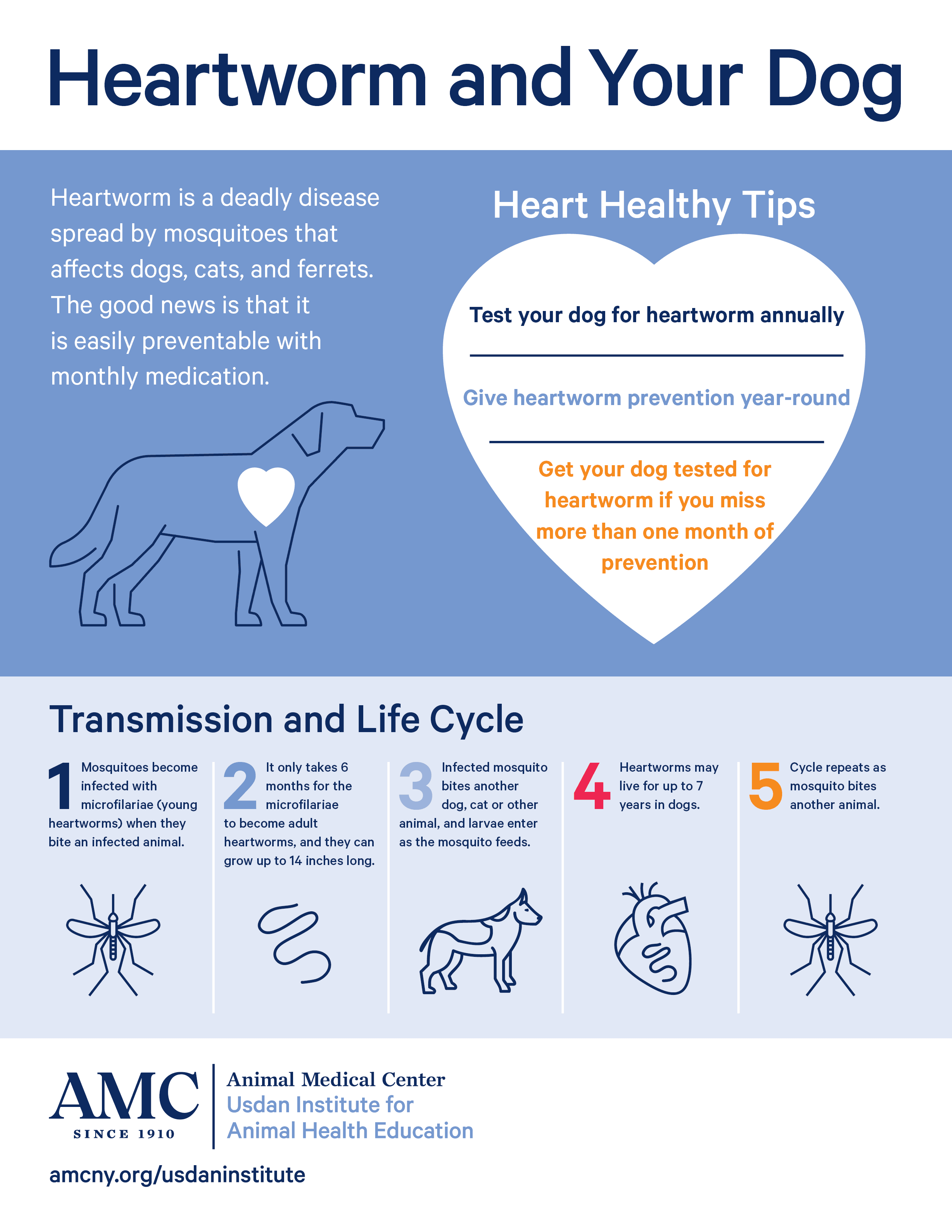
Heartworm disease is a serious and potentially life-threatening condition affecting pets across the United States and globally. Transmitted by mosquitoes, this parasitic disease is caused by foot-long worms that infest the heart, lungs, and associated blood vessels. While commonly associated with dogs, heartworms also pose significant risks to cats and ferrets, and in rare cases, can affect humans. Understanding the transmission, symptoms, diagnosis, and prevention of heartworm disease is crucial for pet owners to protect their beloved companions. This guide delves into the intricacies of heartworm disease, offering comprehensive insights for dog, cat, and ferret owners.
The Heartworm Life Cycle and Transmission
The heartworm life cycle is intricately linked to mosquitoes. Adult female heartworms residing in an infected host (typically dogs, foxes, or coyotes) produce microscopic larvae called microfilaria, which circulate in the bloodstream. When a mosquito bites an infected animal, it ingests these microfilaria. Over a 10-14 day period, the larvae mature into infective-stage larvae within the mosquito. Subsequently, when this infected mosquito bites another susceptible animal, these larvae are transmitted through the bite wound. Approximately six months after entering a new host, the larvae develop into adult heartworms, capable of mating and producing offspring, thus perpetuating the cycle. Adult heartworms can live for several years in dogs and up to three years in cats.
Heartworm Disease in Dogs: Symptoms and Risks
Dogs serve as the natural host for heartworms, allowing the parasites to mature, reproduce, and increase in numbers within their bodies. Over time, heartworm disease inflicts lasting damage on the heart, lungs, and arteries, significantly impacting a dog’s health and quality of life. While early stages of the disease may exhibit few or no symptoms, advanced stages can lead to a persistent cough, fatigue after moderate exercise, reluctance to engage in physical activity, decreased appetite, and weight loss. In severe cases, heart failure may develop, characterized by fluid accumulation in the abdomen. A critical, life-threatening condition known as caval syndrome can occur when a large number of heartworms obstruct blood flow in the heart, resulting in labored breathing, pale gums, and dark, coffee-colored urine. Due to these severe consequences, heartworm prevention for dogs is paramount, and early treatment is essential if infection is detected. Learn more about effective heartworm medicine for dogs.
Heartworm Disease in Cats: Unique Challenges
Heartworm disease in cats presents differently than in dogs. Cats are considered atypical hosts, meaning most heartworms do not survive to adulthood. Typically, cats harbor only one to three worms, and some may have no adult worms at all. Despite this, even immature worms can cause significant damage, leading to a condition known as heartworm-associated respiratory disease (HARD). Furthermore, the medication used to treat heartworm infections in dogs is not safe for cats. Consequently, prevention remains the sole effective method for protecting felines from the detrimental effects of heartworm disease.
Heartworm Disease in Ferrets: A Critical Concern
Ferrets are highly susceptible to heartworm infection. The disease in ferrets shares characteristics with both dogs and cats, with ferrets being able to harbor a significant number of worms like dogs, but also being severely impacted by even a single worm due to their small heart size, similar to cats. Diagnosing heartworm disease in ferrets can be challenging, and there is currently no approved treatment available. Therefore, year-round prevention is imperative for all ferrets, whether they live indoors or outdoors.
Risk Factors and Geographic Spread
While heartworm disease was once thought to be confined to specific regions, it has now been diagnosed in all 50 states. Several factors contribute to its spread, including climate variations, the presence of wild animal carriers like foxes and coyotes, and the migration of infected mosquitoes over long distances. The relocation of infected pets, particularly after natural disasters, has also played a role in introducing the disease to new areas. Given these variables, the American Heartworm Society advocates for a “Think 12” approach: annual testing for heartworms and year-round preventive medication for all pets.
Diagnosis: Testing and Timing
Early detection of heartworm disease is vital for successful treatment. Veterinarians typically use blood tests to detect the presence of heartworm proteins.
- Dogs: Annual testing is recommended for all dogs, usually performed during routine wellness exams. Puppies under seven months can begin prevention without testing, but should be tested at six months, twelve months, and then annually. Adult dogs over seven months not on prevention require testing before starting medication, followed by tests at six and twelve months, and then annually. Consistent annual testing is crucial even for dogs on year-round prevention to ensure its efficacy.
- Cats: Heartworm infection in cats is harder to detect. Screening often involves both antigen and antibody tests. X-rays and ultrasounds may also be used. Cats should be tested before starting prevention and periodically thereafter as recommended by the veterinarian.
- Ferrets: Diagnosis can be complex, often involving antigen testing and imaging techniques like echocardiography to visualize worms in the heart.
Treatment and Management
- Dogs: While challenging, most dogs with heartworm disease can be successfully treated. The process involves stabilizing the dog, followed by medication to eliminate adult and immature worms. Exercise restriction is critical during treatment to minimize complications. Long-term prevention is necessary after successful treatment.
- Cats: There is no approved drug therapy for heartworm infection in cats. Treatment focuses on managing symptoms and stabilizing the cat. Some infections may resolve spontaneously, but damage can be permanent. Monitoring with regular check-ups and preventive medication is essential.
- Ferrets: Similar to cats, there is no approved drug therapy for ferrets. Veterinary care aims to stabilize the ferret and create a long-term management plan. Prevention is critical due to the severity and rapid progression of the disease in ferrets.
Prevention: The Most Effective Strategy
Prevention is the most effective and safest way to protect pets from heartworm disease.
- Medications: A variety of preventive medications are available, including monthly pills, topical treatments, and injections. These medications work by eliminating the immature stages of heartworms. It is crucial to administer these preventives strictly on schedule.
- Prescription Requirement: Heartworm preventive medications require a prescription from a licensed veterinarian. This ensures that pets are tested appropriately before starting medication and that the correct product and dosage are administered.
- Year-Round Protection: The American Heartworm Society recommends year-round heartworm prevention for all dogs, cats, and ferrets, regardless of geographic location, to provide continuous protection against this potentially devastating disease.
Frequently Asked Questions
- Do I need a prescription for heartworm medication? Yes, due to FDA regulations, heartworm preventives must be prescribed by a veterinarian.
- How do monthly preventives work? They eliminate the larval stages of heartworms, preventing them from maturing into adults.
- Can heartworm preventives protect against intestinal parasites? Some products offer protection against certain intestinal parasites, fleas, ticks, and mites, but consult your veterinarian for a comprehensive parasite control plan.
- When should young animals start prevention? Puppies and kittens can start as early as 8 weeks of age, or when they weigh at least two pounds for ferrets.
- Are heartworms more common in certain areas? While present nationwide, some areas have higher incidence rates due to climate and environmental factors.
- Is there a vaccine for heartworms? No, currently there is no commercially available vaccine for heartworm prevention.
- What causes a dog to die from heartworm disease? Death can result from severe heart and lung damage, pulmonary thrombosis, heart failure, or other organ damage caused by the worms.
- Can my vet use prevention during heartworm treatment? Yes, in some cases, a veterinarian may administer prevention under supervision to prevent new infections during treatment.
- What if my pet’s heartworm test is still positive after treatment? Further testing and potentially a second course of treatment may be necessary, as it can take time for the body to clear all traces of the infection.
- Should I give my ferret heartworm prevention? Absolutely. Ferrets are highly susceptible and year-round prevention is recommended.
- Can I use expired heartworm medication? No, it is unsafe and ineffective. Always use medication before its expiration date.
- What if I missed doses of prevention? Consult your veterinarian immediately to restart the medication and determine a re-testing schedule.
By understanding heartworm disease and adhering to a consistent prevention and testing schedule, pet owners can significantly reduce the risk of their beloved companions suffering from this serious and preventable illness.
