
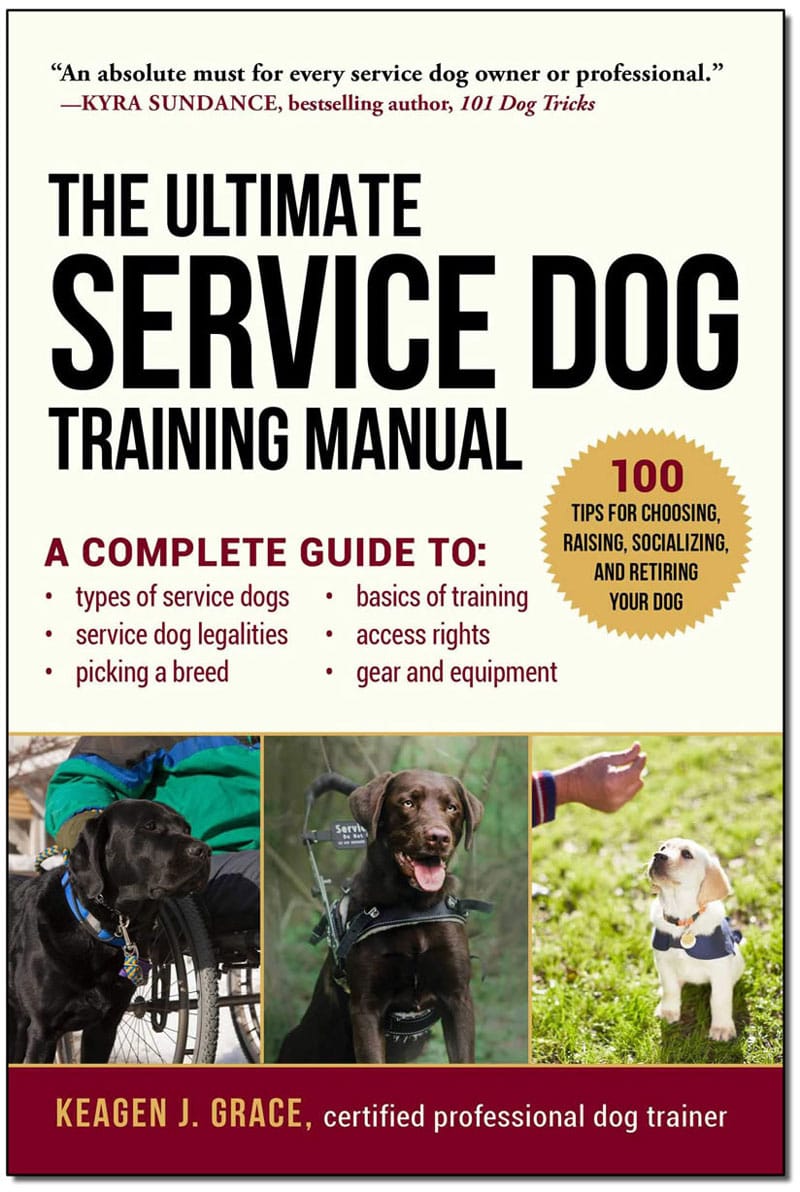
Embarking on the journey to train a service dog is a significant undertaking, filled with dedication, patience, and a deep understanding of canine behavior. For many, the convenience and accessibility of Online Service Dog Training Courses have made this goal more achievable than ever before. These programs offer a structured curriculum, expert guidance, and a flexible learning environment, allowing individuals to train their canine companions to become invaluable assistance animals. This guide delves into the world of online service dog training, exploring what they offer, how to choose the right one, and the benefits they bring to both dog and handler.
Understanding Service Dogs and Their Training
Service dogs are not merely pets; they are highly trained working animals that perform specific tasks to assist individuals with disabilities. These tasks can range from retrieving dropped items and providing balance support to alerting handlers to medical emergencies like seizures or blood sugar fluctuations. The Americans with Disabilities Act (ADA) defines a service animal as a dog individually trained to do work or perform tasks for the benefit of an individual with a disability. It is crucial to distinguish service dogs from emotional support animals (ESAs) or therapy dogs, as their training and legal protections differ significantly.
The training process for a service dog is rigorous and can take anywhere from several months to over two years. It typically involves two main phases: public access training and task-specific training. Public access training ensures the dog behaves impeccably in public settings, regardless of distractions. This includes commands like “stay,” “leave it,” and “go potty” in various environments. Task-specific training is tailored to the individual handler’s needs, teaching the dog to perform actions that directly mitigate the handler’s disability.
The Rise of Online Service Dog Training Courses
The digital age has revolutionized education, and service dog training is no exception. Online courses provide a powerful alternative to traditional in-person training, offering numerous advantages:
Flexibility and Convenience
Perhaps the most significant benefit of online courses is their flexibility. Handlers can learn at their own pace, fitting training sessions around their work schedules, personal commitments, and the dog’s individual learning capacity. This is particularly beneficial for individuals with disabilities who may have fluctuating energy levels or require a more adaptable schedule. You can revisit lessons as many times as needed, ensuring a thorough understanding before moving forward.
Accessibility and Reach
Online platforms break down geographical barriers. Individuals living in remote areas or those with mobility challenges can access top-tier training programs and expert advice without the need for extensive travel. This democratizes service dog training, making it accessible to a much wider audience. This also means you can find a course that perfectly suits your specific needs, rather than being limited to local options.
Structured Curriculum and Expert Guidance
Reputable online courses are designed by experienced service dog trainers and behaviorists. They offer a comprehensive curriculum that covers all essential aspects of training, from basic obedience and socialization to advanced task work and public access manners. Many programs include video demonstrations, downloadable resources, and access to certified trainers for Q&A sessions or personalized feedback. This structured approach ensures that no critical step is missed in the training process.
Cost-Effectiveness
While not always cheaper than in-person options, online courses can often be more cost-effective when considering the total expenses involved in traditional training, such as travel, accommodation, and trainer fees. The ability to learn and train at home also reduces indirect costs.
What to Look for in an Online Service Dog Training Course
Choosing the right online course is paramount to success. Here are key factors to consider:
Accreditation and Certification
Look for programs that are accredited by recognized organizations or led by certified professional dog trainers (CPDT-KA, IAADP, etc.). This ensures the program adheres to high standards of ethical training and efficacy. While there is no government-mandated certification for service dogs themselves, the training program’s credibility is crucial.
Comprehensive Curriculum
A good online course should cover:
- Basic Obedience: Sit, stay, come, down, heel.
- Socialization: Exposure to various environments, sounds, and people.
- Public Access Skills: Polite behavior in public, navigating crowded spaces, responding to commands amidst distractions.
- Task Training: Specific tasks tailored to the handler’s disability. This may be an add-on module or a feature of advanced courses.
- Handler Skills: Educating the handler on how to manage and advocate for their service dog.
- Troubleshooting and Behavior Modification: Addressing common training challenges.
Trainer Qualifications and Support
Investigate the credentials and experience of the instructors. Do they have a proven track record in service dog training? What level of support is offered? Some programs provide one-on-one virtual consultations, video analysis of training sessions, or dedicated forums for peer support.
Training Methodology
Ensure the course employs positive reinforcement-based training methods. These methods are humane, effective, and build a strong bond between the handler and the dog. Avoid programs that advocate for punishment-based or aversive techniques, as these can be detrimental to the dog’s well-being and the training relationship.
Reviews and Testimonials
Research reviews from past participants. While online testimonials should be viewed with a critical eye, a consistent pattern of positive feedback from individuals with similar goals or disabilities can be a good indicator of a program’s quality.
Online Service Dog Training vs. Professional Programs
It’s important to understand that most online courses are designed to guide owners in training their own service dogs. They provide the knowledge and structure, but the actual training is done by the owner. This is often referred to as “owner-training.”
Professional service dog training organizations train dogs from puppyhood or adopt dogs specifically for this purpose. These organizations typically have rigorous selection processes for both dogs and handlers, and their programs can be more intensive and costly, often with long waiting lists.
Online courses are an excellent option for individuals who:
- Already have a suitable dog and a strong bond.
- Are committed to investing significant time and effort into training.
- Are looking for a more affordable and flexible training solution.
- Have a disability that can be mitigated by specific dog-assisted tasks.
Common Tasks Service Dogs Perform
The tasks a service dog learns are directly related to mitigating their handler’s disability. Examples include:
- Mobility Assistance: Providing balance support, picking up dropped items, opening and closing doors, turning lights on and off.
- Medical Alert: Alerting to changes in blood sugar levels, impending seizures, or other medical episodes.
- Psychiatric Support: Interrupting repetitive or harmful behaviors, providing deep pressure therapy, acting as a buffer in crowds, or retrieving medication.
- Hearing Assistance: Alerting to sounds like doorbells, alarms, or a child’s cry.
- Visual Assistance: Guiding handlers around obstacles and through environments (though guide dogs typically undergo specialized, intensive training through dedicated organizations).
The Importance of Legal Understanding and Advocacy
While online courses provide training, they do not grant legal status or certification for a service dog. Understanding your rights and responsibilities under laws like the ADA is crucial. Service dogs are permitted in public places where pets are usually prohibited. However, handlers may be asked two specific questions by officials: (1) Is the dog a service animal required because of a disability? and (2) What work or task has the dog been trained to perform? It is important to be prepared to answer these questions confidently.
Training your own service dog through an online course empowers you with the skills to ensure your dog is well-prepared for public access. It also fosters a deeper partnership between you and your canine companion.
Conclusion: Empowering Your Journey with a Service Dog
Online service dog training courses offer a valuable pathway for individuals seeking to train their canine companions to become service animals. By providing accessible, flexible, and expert-led instruction, these programs empower owners to navigate the complexities of service dog training. When selecting a course, prioritize accredited programs that utilize positive reinforcement, offer comprehensive curricula, and provide robust trainer support. With dedication, consistency, and the right guidance, training your own service dog can be a profoundly rewarding experience, leading to enhanced independence and a stronger human-animal bond. Remember, the journey is as important as the destination, and with the wealth of resources available today, achieving your goal of having a trained service dog is more attainable than ever before.
