
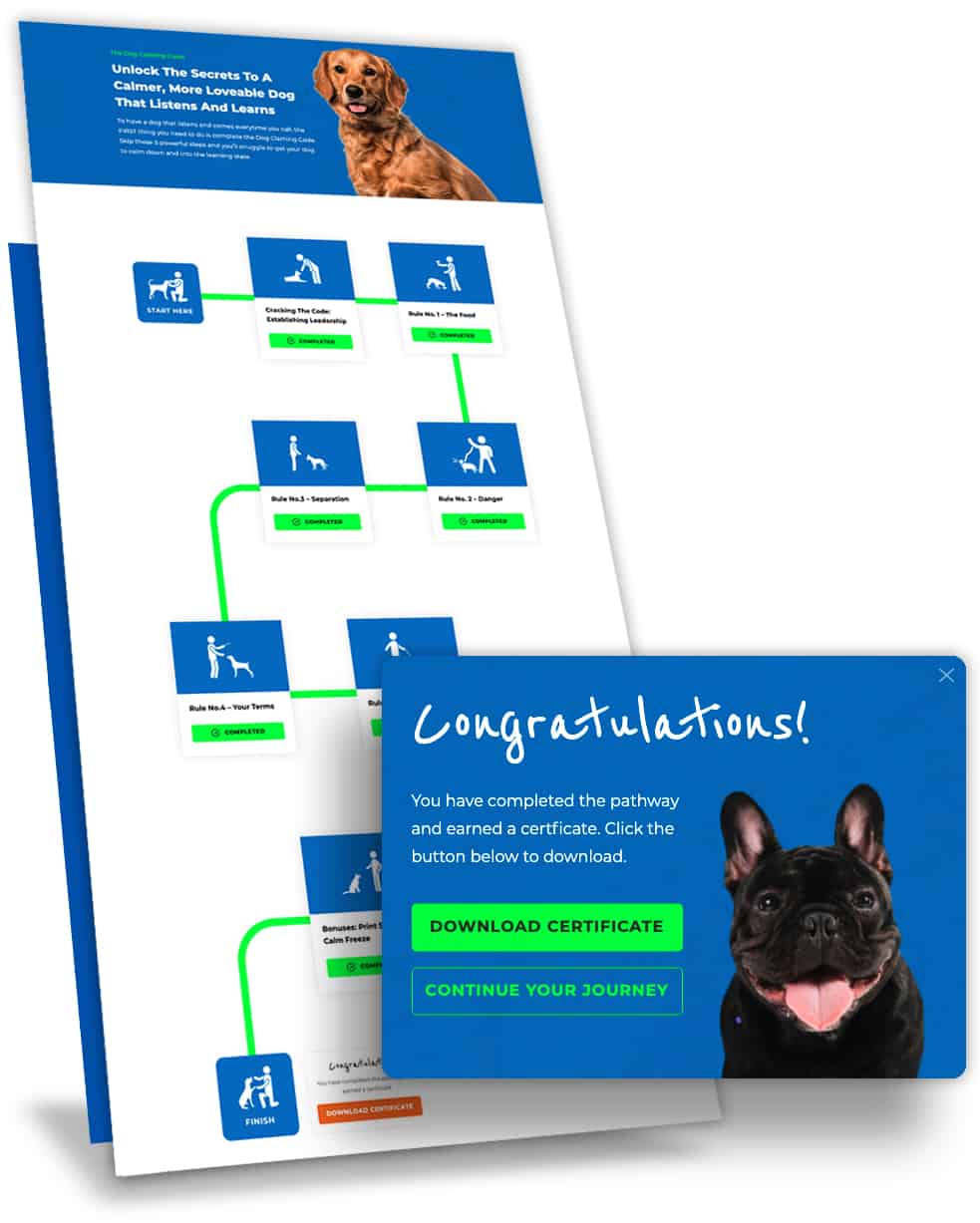
The journey of dog ownership is incredibly rewarding, filled with wagging tails, sloppy kisses, and unwavering companionship. However, bringing a canine friend into your life also comes with the responsibility of guiding them to become a well-behaved member of your family. While traditional in-person training has its merits, the flexibility and accessibility of Online Dog Training Courses have revolutionized how we approach canine education. These digital classrooms offer a convenient and effective way to build a strong bond with your dog, address behavioral challenges, and unlock their full potential, right from the comfort of your home. Whether you’re a first-time dog parent or a seasoned enthusiast, exploring the world of online dog training can be a game-changer.
Why Choose Online Dog Training Courses?
The allure of online dog training courses stems from their ability to overcome many of the barriers associated with traditional training methods. Think about it: no more rushing to make it to a class on time, no more struggling to find a suitable training facility, and no more anxiety about your dog being around unfamiliar dogs or people if they’re still nervous. Online courses provide a personalized learning environment for both you and your furry friend. You can learn at your own pace, rewatch lessons as many times as needed, and apply the techniques in your dog’s natural environment, where distractions are manageable and the learning is directly transferable to real-life situations. This tailored approach ensures that you’re not just training your dog, but also deepening your understanding of their unique needs and communication style.
The Benefits of Learning Online with Your Dog
The advantages of enrolling in online dog training courses extend far beyond mere convenience. One of the most significant benefits is the personalization it offers. Many platforms allow you to choose courses tailored to your dog’s age, breed, temperament, and specific training goals, whether it’s basic obedience, potty training, leash manners, or even advanced trick training. Furthermore, the cost-effectiveness of online courses often makes professional training more accessible to a wider audience. You can gain access to expert advice and structured lesson plans without the substantial fees often associated with in-person private sessions or group classes.
Moreover, the consistency of instruction is paramount in dog training. Online courses provide a clear, step-by-step curriculum that you can follow consistently. This is crucial because dogs thrive on routine and predictable communication. You can pause, rewind, and replay instructional videos, ensuring you’ve grasped each technique correctly before moving on. This also allows the entire family to be on the same page, reinforcing training commands and cues consistently, which is vital for your dog’s learning and overall behavior. The ability to learn these skills at home also means you can gradually introduce distractions, helping your dog generalize their training across different environments.
Finally, the access to a wide range of expertise is unparalleled. Online platforms often feature instructors who are certified professional dog trainers, behaviorists, or even specialists in specific areas like agility or scent work. This means you’re learning from the best, gaining insights that might be difficult to find in your local area. Many courses also include community forums or Q&A sessions, allowing you to connect with trainers and fellow dog owners, sharing experiences and seeking advice. This sense of community can be incredibly supportive throughout the training journey.
What to Look for in an Online Dog Training Course
When selecting the right online dog training course, it’s essential to consider several key factors to ensure you and your dog get the most out of the experience. First, research the instructors and their qualifications. Look for certifications from reputable organizations such as the Certification Council for Professional Dog Trainers (CCPDT), the Karen Pryor Academy (KPA), or the Victoria Stilwell Academy (VSA). Understanding their training philosophy is also crucial – opt for trainers who use positive reinforcement methods, as these are widely recognized as humane and effective for building trust and a strong bond with your dog.
Next, evaluate the course structure and content. Does it offer clear, well-organized modules? Are the video demonstrations high-quality and easy to follow? Consider whether the course covers the specific behaviors or skills you want to address. For instance, if you’re struggling with puppy teething, look for a course with comprehensive modules on puppy biting and socialization. If you’re interested in advanced obedience, ensure the course progresses logically from basic commands to more complex exercises.
Consider the support system offered. Do they provide a community forum, email support, or even live Q&A sessions with trainers? Having access to support when you encounter challenges is invaluable. Some courses offer personalized feedback on submitted videos of your dog’s progress, which can be incredibly beneficial for fine-tuning your technique. Finally, read reviews and testimonials from other users. This can provide real-world insights into the effectiveness of the course and the quality of the instruction. Look for feedback that mentions specific training successes or positive changes in behavior.
Popular Topics Covered in Online Dog Training
Online dog training courses typically cover a comprehensive range of topics designed to address common canine challenges and foster good behavior. Basic obedience is a cornerstone, focusing on essential commands like sit, stay, come, down, and leave it. These commands not only teach your dog to respond to your cues but also form the foundation for more advanced training and ensure their safety in various situations. Mastering these basics helps build a communication system between you and your dog.
Puppy socialization and development is another critical area. Early positive exposure to different sights, sounds, people, and other well-behaved dogs is vital for raising a confident and well-adjusted adult dog. Online courses provide guidance on how to safely and effectively socialize your puppy, especially during their critical developmental windows. This includes understanding appropriate play, recognizing signs of stress in puppies, and creating positive associations with new experiences.
Addressing behavioral issues is a major draw for many owners. This can include tackling common problems like excessive barking, jumping on guests, leash pulling, destructive chewing, and separation anxiety. Expert trainers offer strategies based on understanding the root causes of these behaviors, employing positive and humane methods to modify them. For example, courses on separation anxiety often focus on desensitization techniques and creating a secure environment for your dog when you’re away.
Finally, many online dog training courses delve into more specialized areas such as trick training, agility, scent work, and advanced obedience. These can be fantastic ways to provide mental stimulation for your dog, strengthen your bond, and have fun together. Learning to teach your dog complex tricks or navigate an agility course can be incredibly rewarding and showcase your dog’s intelligence and trainability. If you’re looking for specific training like online dog training courses, there are many tailored options available.
Tips for Success with Your Online Dog Training Journey
Maximizing the benefits of online dog training courses requires active participation and a consistent approach. Firstly, dedicate specific time for training sessions. Even short, frequent sessions (10-15 minutes, 2-3 times a day) are more effective than one long, infrequent session. Consistency is key; your dog learns best when training is a regular part of your routine. Ensure all family members are involved and using the same commands and hand signals to avoid confusing your dog.
Secondly, be patient and celebrate small victories. Learning takes time, and every dog progresses at their own pace. Avoid punishment and focus on positive reinforcement, rewarding desired behaviors with treats, praise, or toys. This builds trust and makes training a positive experience for your dog. Don’t get discouraged if your dog doesn’t grasp a concept immediately; revisit the lesson, try a different approach, or seek advice from the course resources.
Thirdly, create a distraction-free training environment, at least initially. Start in a quiet room with minimal interruptions. As your dog becomes more proficient with commands, gradually introduce distractions to help them generalize their learning to real-world scenarios. This might involve training with the TV on, family members walking by, or even practicing outside in a controlled environment. This gradual exposure is crucial for developing a reliable dog, similar to how crate training an older dog requires patience and adaptation.
Finally, don’t hesitate to seek help. If you’re struggling with a particular issue, utilize the support systems provided by your online course. Whether it’s a community forum, an instructor Q&A, or supplementary resources, reaching out can provide the clarity and guidance you need to overcome obstacles. Remember, training schools for dogs near me can offer in-person support, but online resources are often the first step for many. Your commitment to consistent, positive training, coupled with the structured guidance from online dog training courses, will undoubtedly lead to a happier, better-behaved canine companion and a stronger, more fulfilling relationship.
