
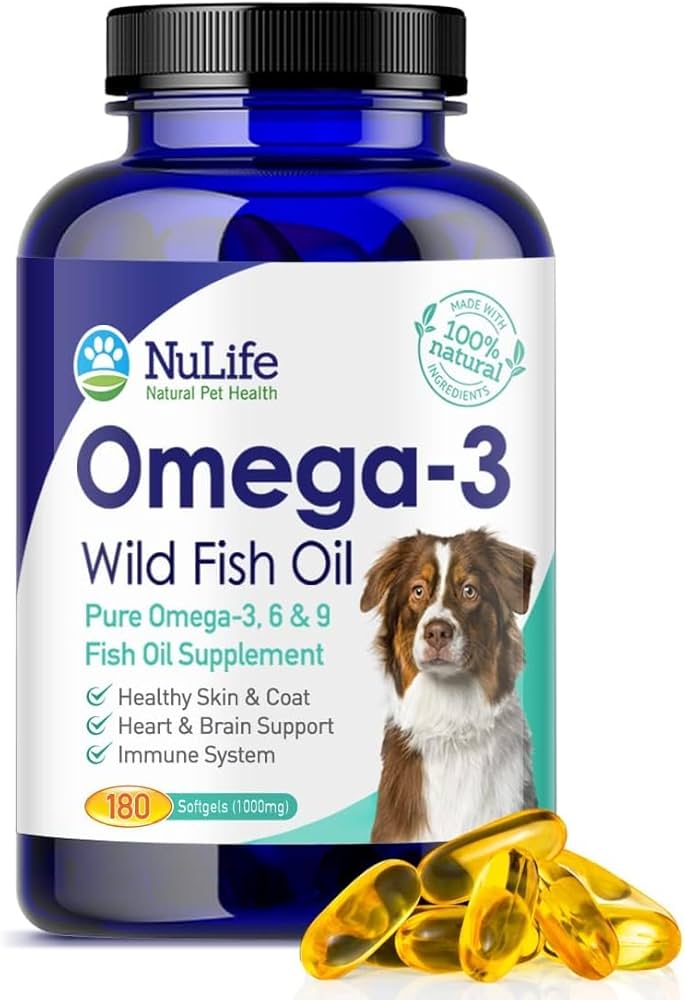
Introducing omega-3 fatty acids into your pet’s diet is a proactive step towards ensuring their lifelong health and mobility. Even if your dog or cat is currently free from joint stiffness or pain, early supplementation can lay the foundation for a healthy, active life. Omega-3s play a crucial role in protecting cartilage, reducing inflammation, and mitigating the natural wear and tear associated with aging. This preventive strategy is particularly vital for large breeds and highly energetic animals that are inherently more susceptible to joint-related problems. Consistent omega-3 support can significantly delay the onset of osteoarthritis, reduce the risk of injuries stemming from inflammation and ligament strain, and bolster immune function, which is essential for recovery from minor injuries. By incorporating omega-3s now, you are making a small investment that yields significant returns in the form of years of comfort, enhanced mobility, and sustained activity for your beloved companion.
How to Incorporate Omega-3 Fatty Acids into Your Pet’s Diet
Integrating omega-3s into your pet’s diet is straightforward, whether through dedicated supplements, whole food additions, or specially formulated pet foods. Here’s a breakdown of effective methods:
1. Omega-3 Supplements for Dogs and Cats
Supplements offer the most dependable method for delivering a consistent and accurate dosage of EPA and DHA, the two most potent omega-3 fatty acids for joint health. When selecting a supplement, prioritize veterinary-formulated products that are certified free from mercury and other heavy metals. These are readily available in several common forms:
- Liquid Fish Oil: This is a highly absorbable and easy-to-administer option that can be conveniently mixed with your pet’s meals.
- Capsules: Ideal for precise dosing, especially for smaller pets, capsules ensure accurate measurements.
- Chewables: These are often palatable and may come combined with vitamin E, offering additional antioxidant benefits.
💡 Pro Tip: Opt for products that include vitamin E. This essential vitamin acts as a natural preservative, preventing the oxidation of fatty acids and maintaining the supplement’s potency over time.
General Dosage Guidelines: A common recommendation is between 20–55 mg of combined EPA and DHA per pound of body weight. However, it is crucial to confirm the precise dosage with your veterinarian, as individual needs can vary.
2. Omega-3-Rich Whole Foods
For a more natural approach, consider adding these omega-3 powerhouses to your pet’s diet:
- Salmon: An excellent source of EPA and DHA. Ensure it is cooked thoroughly and deboned before serving.
- Sardines: An affordable and easily portioned option, sardines are highly concentrated in omega-3s.
- Mackerel or Herring: These are also beneficial sources, but it’s advisable to feed them in moderation.
Plant-Based Alternatives: While flaxseed or chia seeds provide ALA (a precursor to EPA/DHA), they are less potent. These can be used to supplement fish-based sources but should not entirely replace them.
Commercial Pet Foods: Many premium pet food brands now fortify their formulas with salmon or algae oil. Look for products explicitly labeled as omega-3 enriched.
Best Practices for Using Omega-3 Supplements
- Gradual Introduction: When introducing new foods or supplements, start slowly to allow your pet’s digestive system to adjust and avoid potential upset.
- Balance with Vitamin E: Omega-3 fatty acids can deplete vitamin E levels in the body. Many high-quality supplements include vitamin E to counteract this.
- Monitor for Improvements: Observe your pet for positive changes such as a shinier coat, reduced itching, and smoother, more fluid movements, which are indicators that the omega-3s are working effectively.
When to Consult Your Veterinarian
It is always recommended to consult with your veterinarian before making any significant changes to your pet’s diet or introducing new supplements. Your vet can provide personalized recommendations based on your pet’s specific breed, weight, age, and any existing health conditions, such as arthritis, kidney disease, or obesity. They can also help you avoid over-supplementation, which could lead to gastrointestinal issues or vitamin E deficiency.
Signs Your Pet Might Need More Omega-3s
Be attentive to the following signs, as they often indicate underlying inflammation or nutritional deficiencies that omega-3 fatty acids can help address:
- Limping or favoring a particular leg.
- Difficulty standing up, climbing stairs, or jumping.
- Reluctance to engage in play or exercise.
- Dry, flaky skin or a dull coat.
- Chronic itching or excessive shedding.
- Slow wound healing or recurrent infections.
Partnering with Your Veterinarian for Optimal Results
Your veterinarian is your best resource for maximizing the benefits of omega-3 supplementation. They can guide you on:
- Selecting the most appropriate omega-3 source and determining the correct dosage.
- Understanding how to effectively combine omega-3s with other beneficial supplements, such as glucosamine.
- Ensuring a balanced nutrient profile for optimal health outcomes.
- Monitoring your pet’s progress and making necessary adjustments to their regimen.
Choosing the right omega-3 supplement, such as Omega Benefits, in consultation with your veterinarian, is a cornerstone of preventive care for your pet’s long-term joint health and overall well-being.
