
Horses have been an integral part of human civilization for millennia, serving as essential partners in transportation, warfare, agriculture, and sport. Their enduring presence highlights their adaptability and the profound bond shared between humans and these magnificent creatures. While new breeds emerge and evolve, some ancient lineages stand as living testaments to equine history, their characteristics and contributions deeply woven into the fabric of human culture. This exploration delves into some of the world’s oldest horse breeds, examining their historical significance and unique traits.
The Caspian Horse: An Ancient Treasure
Years of Existence: Known since 3000 BCE
Country of Origin: Iran
Weight: 400 to 600 lbs
Height: 97 to 127 cm
Use: Riding, Agriculture and Work
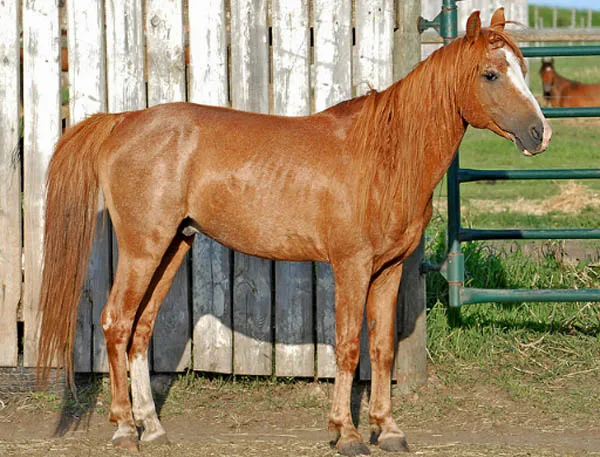 Caspian Horse
The Caspian Horse holds the distinction of being the oldest known breed of horse in the world. Native to the Middle East, these horses are characterized by their distinctive trotting gait and refined, small heads. Their survival is largely attributed to the efforts of Iranian aristocrat Narcy Firouz and his wife Louise Laylin Firouz, who established a breeding program in the 1960s after discovering a small population in remote villages above the Caspian Sea. Louise named the breed, and their work ensured its preservation. Despite their small stature, Caspians possess proportions more akin to a horse than a pony, with a high croup, vaulted brow, slender legs, and a dense coat. They exhibit exceptional grace and leaping ability, making them ideal mounts for children, and they also excel as driving horses. Caspians can be found in virtually any color except for piebald and skewbald (pinto), with gray individuals often transitioning through various roan shades to nearly white as they mature. It was once believed that this breed had vanished over a millennium ago.
The Arabian Horse: Endurance and Nobility
Years of Existence: 5000 years
Country of Origin: Arabian Peninsula
Weight: 800 to 1000 lbs
Height: Approximately 152 cm
Use: Transportation, Hauling loads, War
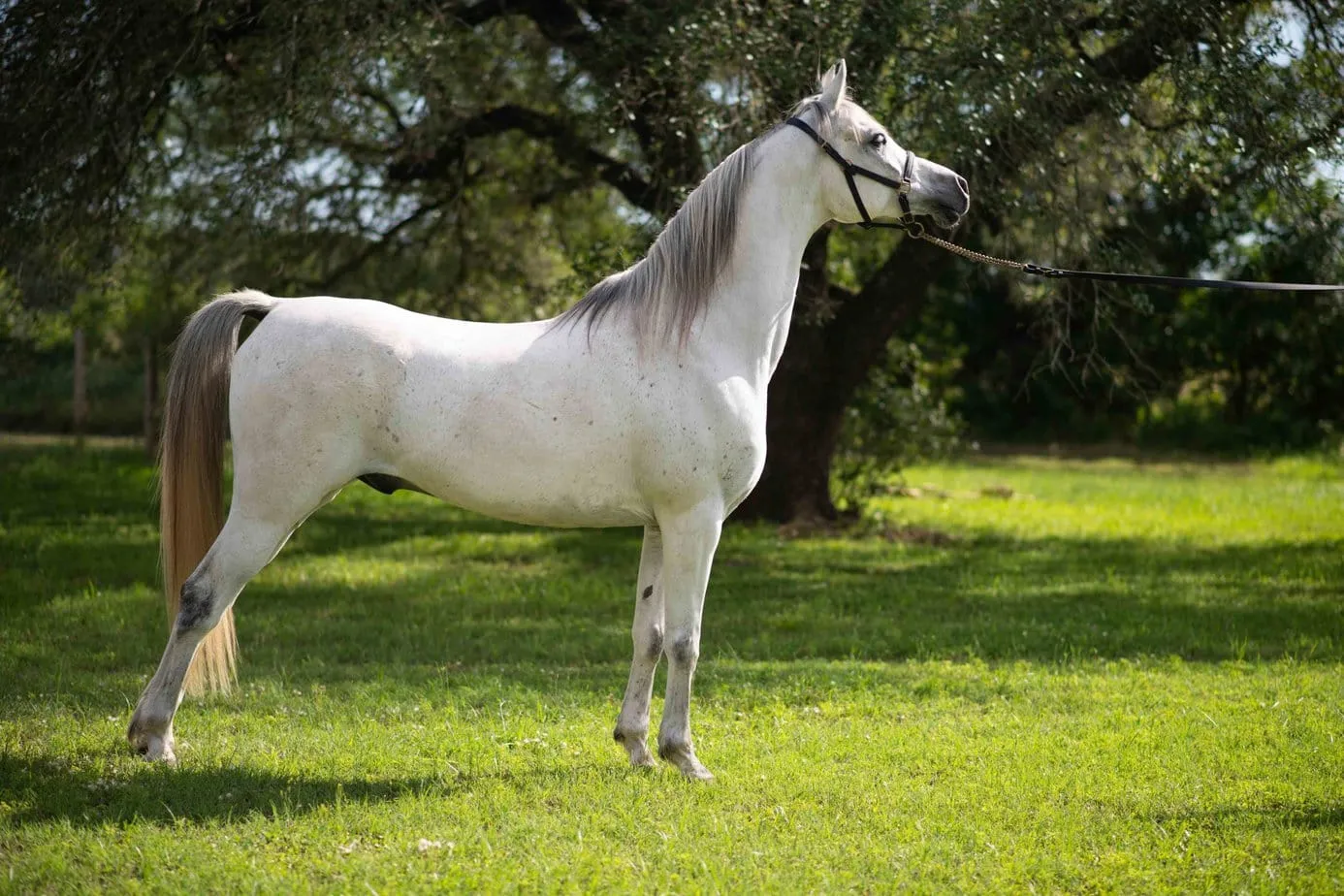 Arabian Horse
Renowned globally, Arabian horses have a lineage stretching back 5,000 years to the Arabian Peninsula. Their strength, speed, and remarkable stamina have made them invaluable for centuries, particularly in transportation and warfare. Ancient nomadic tribes utilized them not only for their carrying capacity over long distances but also as a source of food. Their distinctive thick tails and long necks are notable features. Today, while still used for transportation in some regions like Saudi Arabia and Kuwait, they are also found on farms, assisting with tasks such as pulling plows or carts. A unique characteristic observed in some Arabians is the absence of a vertebra in their backs, tails, or ribs. [cite:0, cite:2]
The Norwegian Fjord Horse: A Versatile Working Partner
Years of Existence: 4000 years
Country of Origin: Norway
Weight: 900 to 1200 lbs
Height: 132.1 to 142.2 cm
Use: Riding
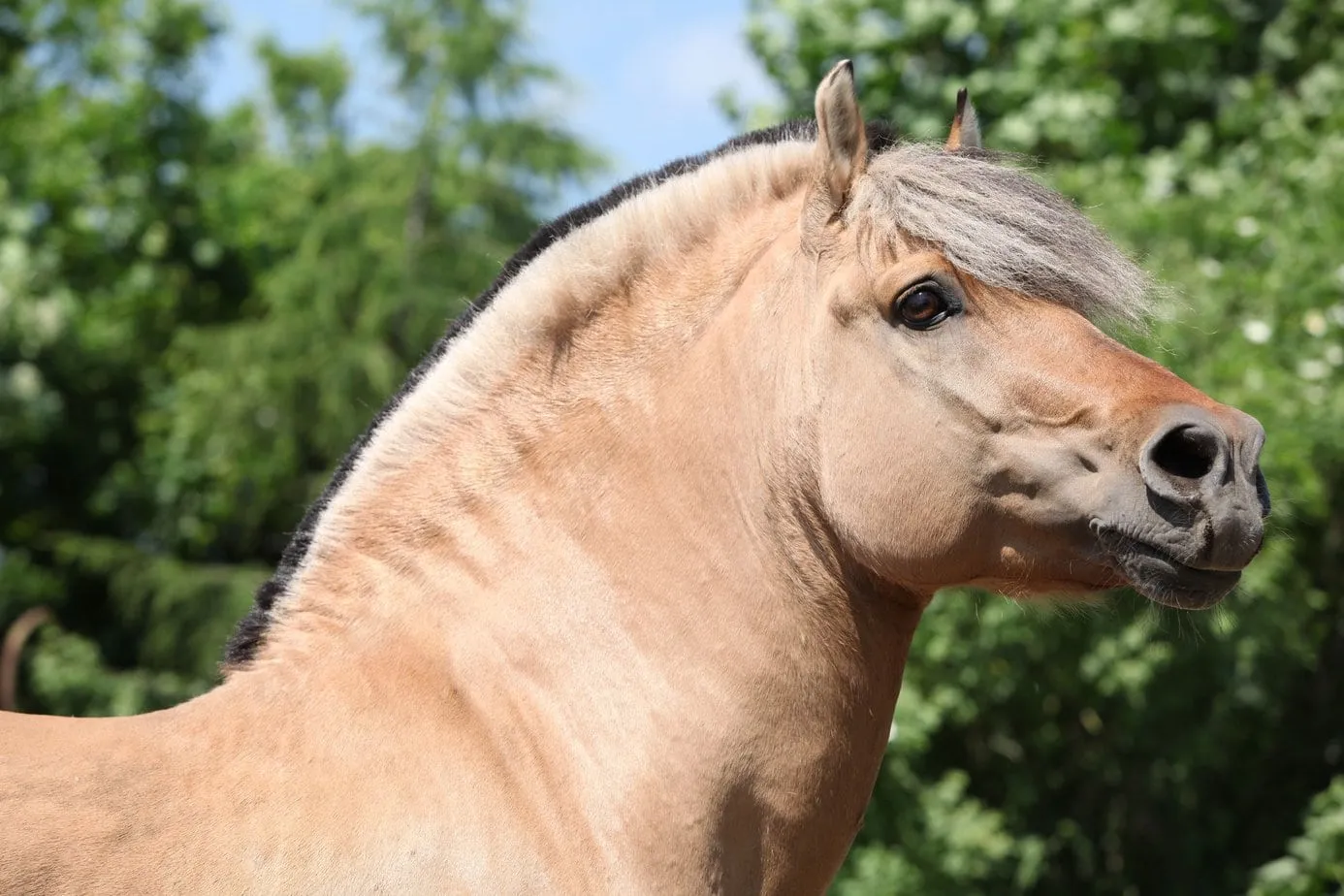 Norwegian Fjord Horse
Originating from Norway, the Norwegian Fjord Horse is a breed with a 4,000-year history, cherished for its gentle temperament and versatility. Historically, they were indispensable working horses, capable of carrying significant loads over long distances without fatigue. Their endurance also made them well-suited for long-distance races. The breed’s strong and steady build allows them to thrive in various environments. Today, they are highly regarded as riding horses due to their smooth gaits and calm demeanor. A distinctive trait of this breed is the rarity of white markings among them. [cite:0, cite:3]
The Icelandic Horse: Resilience from the Viking Era
Years of Existence: 1000 years
Country of Origin: Iceland
Weight: 730 to 840 lb
Height: 132 to 142 cm
Use: Companionship and Transportation
 Icelandic Horse
The Icelandic horse boasts a history of about 1,000 years, tracing its roots back to the Viking Age. Initially used as pack animals, their popularity for riding grew significantly after horses were introduced from England in the 16th century. Renowned for their strength, docility, and intelligence, these horses have been vital for transportation and agricultural work, including plowing and pulling wagons. Currently, Icelandic horses are a common sight at tourist destinations and farms across Iceland, contributing to the tourism industry by guiding visitors and facilitating the transport of goods. Notably, the Icelandic horse is the only breed of horse found in Iceland. [cite:0, cite:1]
These ancient breeds represent not just a part of equine history but also a continued legacy of partnership and utility that spans across cultures and centuries. Their enduring presence is a testament to their remarkable qualities and their irreplaceable role in human society.
