
Have you ever heard a piece of gossip so juicy you just had to ask, “Where did you hear that?” In a world flooded with information, rumors, and second-hand accounts, knowing the true source of a story is more important than ever. This brings us to a timeless piece of wisdom wrapped in a peculiar phrase: getting the story straight from the horse’s mouth. This isn’t just an old saying; it’s a powerful principle for seeking truth and clarity. It’s the gold standard for reliable information, a commitment to hearing the facts directly from the person or place with firsthand knowledge.
This article explores the rich history and practical meaning behind this famous idiom. We’ll travel back in time to uncover its surprising origins, learn how it applies to our modern lives, and understand why trusting the primary source is a skill we all need. Forget the whispers and the “he said, she said”—it’s time to go directly to the source.
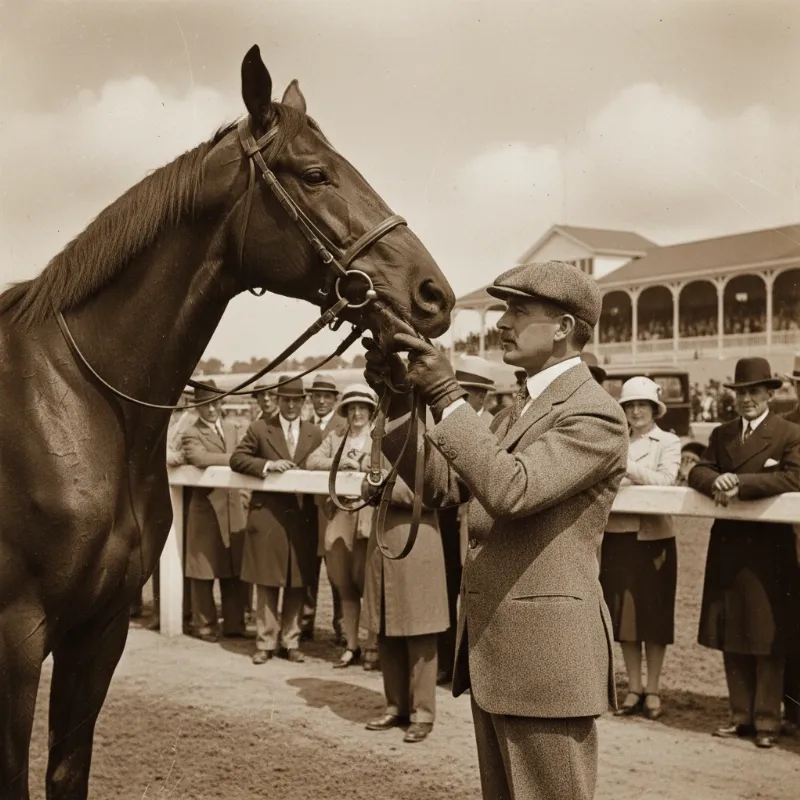 An image showing a vintage scene at a racetrack where a man is inspecting a horse's teeth closely, illustrating the old story of the horse's mouth idiom.
What Does “Straight From the Horse’s Mouth” Mean?
At its core, the idiom “straight from the horse’s mouth” means receiving information from the most direct, authoritative, and trustworthy source possible. It’s the opposite of hearsay or rumor. When you get news from the horse’s mouth, you’re hearing it from someone with firsthand experience or direct involvement in the matter.
Think of it as the difference between reading a summary of a scientific study and reading the actual paper published by the researchers. The summary is helpful, but the paper itself is the horse’s mouth. It contains the unfiltered data, methods, and conclusions.
This expression emphasizes a few key ideas:
- Authenticity: The information is genuine and hasn’t been altered by passing through intermediaries.
- Reliability: The source is considered the most dependable one available.
- Directness: You are getting the story with no middlemen, ensuring nothing is lost in translation.
In professional settings, a project manager giving an update on a deadline is the horse’s mouth. In journalism, it’s an eyewitness account of an event. In our personal lives, it’s asking your friend directly about their feelings instead of relying on what someone else thinks they meant. The principle is universal: for the truest story, go to the source. This is not unlike the classic tales of heroism and deception, such as the tale of the Trojan Horse; understanding the full picture often requires looking past the surface, a concept explored further when people ask where does the trojan horse story come from.
The Fascinating Origin of the Horse’s Mouth Idiom
Every great story has a beginning, and the tale behind this idiom is no exception. While many expressions have murky origins, the history of “straight from the horse’s mouth” is widely believed to have trotted out of the world of horse racing, a place where information and misinformation could make or break a fortune.
A Trip to the Racetrack
In the late 19th and early 20th centuries, horse racing was a hugely popular sport, and betting was a serious business. Tipsters were everywhere, claiming to have inside information on which horse was a sure winner. They might whisper that a horse was in prime condition or that a longshot was secretly a champion. However, these tips were often unreliable, passed from person to person until the original truth, if there ever was one, was completely distorted.
So how could a savvy bettor get a real edge? By getting information that no one else had, directly from the source. The “horse’s mouth” in this context could mean the owner, the trainer, or the jockey—the people who knew the horse’s health, training regimen, and true potential. A tip from the trainer was far more valuable than a rumor overheard in the stands.
But the phrase has an even more literal and clever meaning rooted in equine biology.
More Than Just a Saying
The most reliable way to know the true age and health of a horse is to look at its teeth. A horse’s teeth grow and change in predictable ways throughout its life. An experienced horseman can examine the size, shape, wear patterns, and markings on a horse’s incisors to determine its age with remarkable accuracy.
Unlike a seller who might lie about a horse’s age to get a better price, the teeth tell an honest story. They can’t be forged or altered. Therefore, the most trustworthy information about a horse’s age came literally “straight from the horse’s mouth.” This physical act of verifying the truth became a powerful metaphor for seeking any kind of reliable information. The history of storytelling itself is filled with equine characters, as seen in theatrical traditions like kholstomer the story of a horse play, which also delves into themes of truth and perception.
How to Use “From the Horse’s Mouth” in Everyday Life
While its origins are in the stables, this idiom is incredibly useful in our daily lives. Applying the principle of seeking the primary source can save you from misunderstandings, help you make better decisions, and build stronger relationships based on clear communication.
Here are some modern examples:
- In the Workplace: Instead of relying on office gossip about potential layoffs, you wait for the official announcement from the CEO or HR department. You’re getting the news straight from the horse’s mouth.
- In Personal Relationships: Your friend seems upset. Instead of asking mutual acquaintances what might be wrong, you call your friend directly to ask how they are.
- As a Consumer: You’re considering a new smartphone. Instead of just trusting a sponsored review, you read multiple technical breakdowns from independent labs and watch videos from actual users.
- Following the News: When a major event happens, you seek out reports from journalists on the ground and read official statements from the organizations involved, rather than just reacting to headlines on social media.
Adopting this mindset means being an active, critical thinker. It requires a little more effort than passively accepting what you hear, but the clarity and confidence it provides are well worth it.
 A modern office scene where a person is speaking directly with their manager, avoiding gossip and getting information from the source, symbolizing the horse's mouth idiom.
Why Trusting the “Horse’s Mouth” Matters in the Information Age
Today, we are bombarded with more information in a single day than our ancestors might have encountered in a year. The internet and social media have created an ecosystem where unverified stories, opinions, and outright falsehoods can spread like wildfire. In this environment, the old story of the horse’s mouth is not just a quaint saying; it’s an essential tool for survival.
Misinformation can have serious consequences, from influencing public opinion with false narratives to causing unnecessary personal anxiety. By making a conscious effort to seek out primary sources, you are building a defense against this tide of unreliable content. It’s a way of taking control of your own understanding of the world. Just as in a complex narrative with many players, like the slow horses story line, knowing who to trust is paramount.
When you prioritize getting information from the horse’s mouth, you are valuing truth over convenience. You’re choosing to be an informed individual rather than a passive recipient of whatever comes across your screen.
Frequently Asked Questions (FAQ)
What is the opposite of “from the horse’s mouth”?
The opposite would be hearsay, rumor, or second-hand information. It’s information that has been passed through one or more intermediaries, with each step offering a chance for the story to be distorted, misinterpreted, or embellished.
Can the “horse’s mouth” be wrong?
Yes, it’s possible. An authoritative source can still be mistaken, biased, or intentionally deceptive. However, the principle of the idiom is that this source is your best possible starting point for finding the truth. It’s still more reliable than third-hand gossip.
Is this idiom used in formal writing?
While it is widely understood, “straight from the horse’s mouth” is considered an informal idiom. In formal or academic writing, you would be more likely to use phrases like “from a primary source,” “according to the official report,” or “as stated by the witness.”
When did the phrase become popular?
The phrase began appearing in print in the early 1900s and gained widespread popularity throughout the 20th century. Its roots in the universally understood world of horse racing helped it catch on quickly in the United States and Great Britain.
How can I apply this principle to online research?
When researching online, always try to trace information back to its original source. If a blog post cites a study, find and read the study yourself. If a news article quotes a public figure, look for the full transcript or video of their speech. Be wary of sources that don’t cite their information.
The Enduring Wisdom of an Old Story
The journey of the phrase “straight from the horse’s mouth” from the dusty racetracks of the past to our hyper-connected present is a testament to its enduring power. It’s a simple, memorable reminder that the truth is best found at its source. In a world of endless noise, this old story encourages us to pause, question, and seek out the real story.
Whether you’re making a big life decision, trying to understand a complex issue, or simply want to avoid spreading rumors, the lesson remains the same. Don’t settle for the echo. Listen for the voice. Go straight to the horse’s mouth.
