
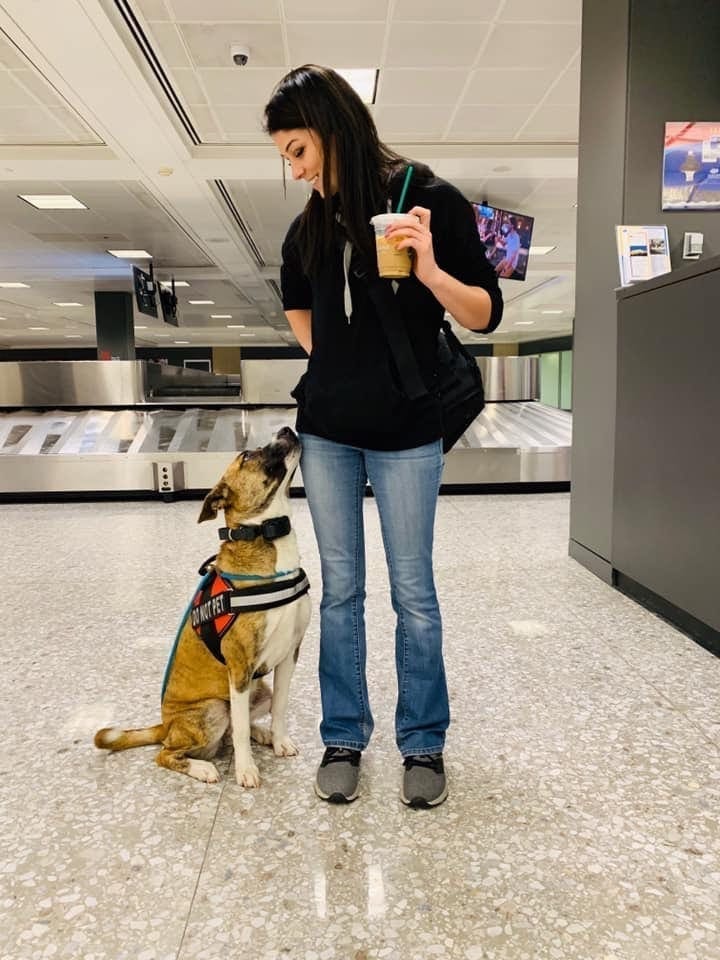
Imagine this: you’re at the park, your dog is running joyfully, exploring every scent, and then, with a simple recall command, they bound back to your side. This isn’t a distant dream; it’s the reality of successful off-lead training. For many dog owners, the idea of letting their furry friend roam free is both exhilarating and a little terrifying. But with the right approach, patience, and consistent training, you can give your dog the freedom they crave while ensuring their safety and your peace of mind. This journey is about building an unbreakable bond and clear communication with your canine companion, turning recall into a reliable reflex rather than a hopeful wish.
The Crucial First Steps: Building a Solid Foundation
Before you even think about stepping off the lead, a strong foundation of on-lead obedience is paramount. Your dog needs to understand and respond to basic commands like “sit,” “stay,” “come,” and “leave it” reliably while distractions are minimal. This initial phase is where you establish yourself as the leader and build a communication system that your dog understands and respects. Think of it as learning the alphabet before you can write a novel.
Mastering the Recall: The ‘Come’ Command
The “come” command is, without a doubt, the most critical skill for off-lead safety. It’s not just about your dog returning; it’s about them returning immediately when called, no matter the temptation.
- Start Indoors: Begin in a distraction-free environment. Use a happy, encouraging tone. When your dog comes to you, reward them enthusiastically with a high-value treat, praise, or a favorite toy.
- Introduce Distractions Gradually: Once your dog reliably comes to you indoors, move to a quiet, enclosed outdoor space like your backyard. Gradually introduce minor distractions – a rolling ball, another person at a distance.
- Use a Long Line: A long training lead (15-30 feet) is your best friend during this stage. It allows your dog some freedom to explore while still giving you a safety net and control if they get distracted. This is similar to learning how to train your dog off the lead in a controlled manner before full freedom is granted.
- Never Punish: Crucially, never call your dog to you for a reprimand. If they’ve done something wrong, go to them to correct them. Calling them should always be associated with positive reinforcement – treats, praise, play. This ensures they associate “come” with good things.
- The “Joy” of Coming Home: Make coming back to you the most exciting part of their adventure. Have their favorite toy or a super tasty treat ready.
The Power of “Leave It”
The “leave it” command is essential for preventing your dog from engaging with potentially dangerous items, other animals, or even distractions in the park.
- Start with Low-Value Items: Place a treat on the floor and cover it with your hand. Say “leave it.” When your dog stops sniffing or pawing at your hand, reward them with a different, better treat from your other hand.
- Increase the Value: Progress to placing a less desirable item (like kibble) on the floor and saying “leave it.” Reward with a high-value treat (cheese, chicken) when they disengage.
- Introduce Higher Distractions: Once mastered, practice with toys or even food on the floor, always rewarding them for disengaging. This command can be a lifesaver when your dog is tempted by something they shouldn’t be.
Graduating to Off-Lead Freedom: When and How
There’s no single timeline for when a dog is ready for off-lead freedom. It depends on the dog’s breed, age, temperament, and your consistent training efforts. However, some indicators suggest readiness:
- Reliable Recall: Your dog comes back to you 95-100% of the time when called, even with moderate distractions.
- Strong “Leave It”: Your dog can disengage from temptations when asked.
- Good Impulse Control: Your dog doesn’t bolt after every squirrel or passing jogger.
- Understanding Boundaries: Your dog understands basic spatial awareness and doesn’t wander excessively.
Choosing the Right Environment
Start in controlled, safe environments:
- Enclosed Fields: Securely fenced dog parks or private fields are ideal.
- Quiet Trails: Once reliable, explore less-trafficked hiking trails during off-peak hours.
- Familiar Areas: Stick to places your dog knows well initially.
The Transition Process
- Long Line First: Continue using the long line in these new environments to maintain a safety net.
- Short Bursts of Freedom: Let your dog off the line for short periods, always keeping them within a safe distance and calling them back frequently.
- Positive Reinforcement is Key: Every successful recall or instance of good behavior off-lead should be heavily rewarded. This reinforces the desired actions.
Addressing Common Challenges
Even with diligent training, challenges arise. Understanding them is the first step to overcoming them.
Chasing Instincts (Prey Drive)
Breeds with high prey drives (terriers, sighthounds) may find it particularly difficult to resist chasing small animals.
- Management: While full off-lead freedom might be a challenge for some, you can manage this through strict “leave it” and recall training, and by choosing safe, enclosed training areas. Consider specialized boot camp for dog training if prey drive is a significant issue.
- Redirection: If your dog starts to focus on a prey animal, redirect their attention with a command they know well or a favorite toy.
Distractions Galore
Other dogs, people, cyclists, and tempting smells can pull your dog’s attention away.
- Increase Difficulty Gradually: Don’t push your dog into situations where they are likely to fail. Increase the level of distraction slowly.
- Reward Focused Behavior: Reward your dog for checking in with you or ignoring distractions. This teaches them that paying attention to you is more rewarding than chasing a butterfly. For owners struggling with impulse control, services like dog trainer and boarding can offer intensive, immersive training.
Lack of Engagement
If your dog seems disinterested or ignores your calls, it might mean the rewards aren’t valuable enough, or the distractions are too high.
- Jackpot Rewards: Use extremely high-value treats or a beloved toy for recalls in distracting environments. “Jackpotting” means giving multiple rewards.
- Keep it Fun: Training should be enjoyable for both of you. If it becomes a chore, take a break and return to simpler exercises.
Beyond Recall: Building a Deeper Connection
Off-lead training is more than just a command; it’s a testament to the trust and understanding between you and your dog. It’s about creating a partnership where your dog feels secure and confident, knowing they can explore the world but always have a safe haven in you. Implementing strategies for easy potty trained dogs alongside recall can streamline overall house and outdoor manners.
- Consistency is Non-Negotiable: Short, frequent training sessions are more effective than long, infrequent ones.
- Understand Your Dog’s Breed: Different breeds have different drives and needs. Tailor your training to your dog’s natural inclinations.
- Socialization: Ensure your dog is well-socialized with other dogs and people. A confident, well-adjusted dog is generally easier to manage off-lead. This is where structured programs like potty training bell dog can be integrated to create a well-rounded canine citizen.
The Role of Professional Help
If you’re struggling or have a dog with significant behavioral challenges, don’t hesitate to seek professional help. Certified professional dog trainers (CPDT-KA, KSA) or veterinary behaviorists can provide personalized guidance and support. They can help assess your dog’s specific needs and develop a tailored training plan.
Conclusion: The Freedom of Trust
Empowering your dog with off-lead freedom is a rewarding experience that deepens your bond and enriches both your lives. It requires dedication, patience, and a commitment to positive reinforcement. By building a strong foundation, focusing on a reliable recall, and gradually introducing distractions, you can confidently allow your dog to explore the world by your side, securely connected by the invisible threads of trust and understanding. Remember, the goal of Off Lead Dog Training isn’t just about freedom, it’s about fostering a relationship built on clear communication and mutual respect.
