
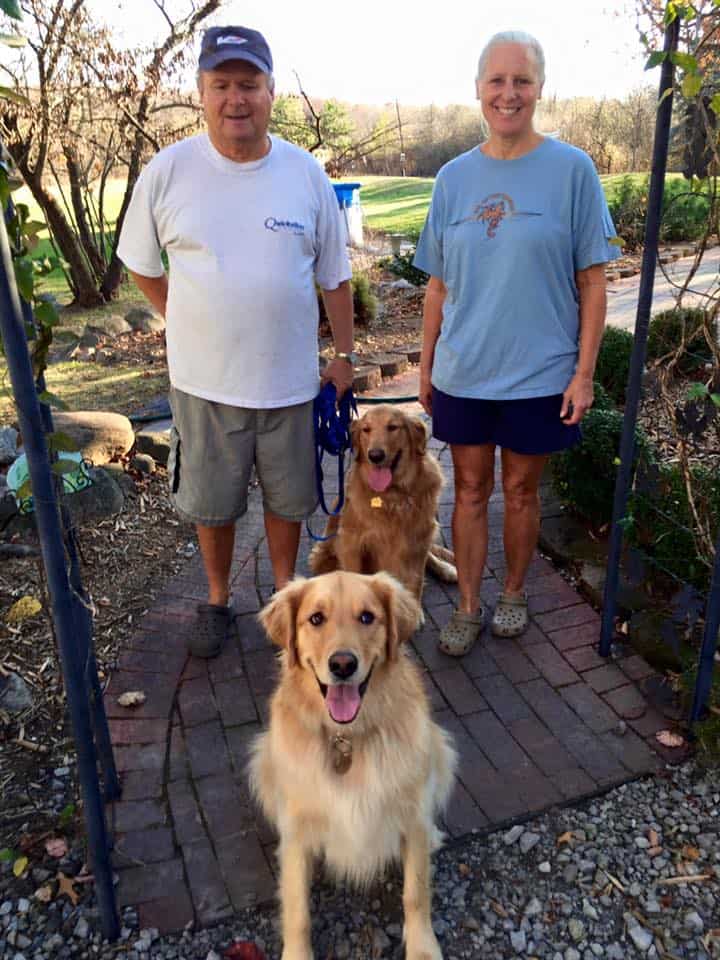
Training your dog to obey commands is a cornerstone of responsible pet ownership, fostering a deeper bond and ensuring a well-behaved companion. Whether you’re a seasoned dog enthusiast or welcoming your first pup, understanding how to effectively communicate with your canine friend is paramount. This comprehensive guide delves into the world of “obey my commands” dog training, exploring its significance, key principles, and practical application to help your dog become a responsive and happy member of your family.
The Foundational Importance of Obedience Training
The ability for your dog to reliably obey commands like “sit,” “stay,” “come,” and “down” is more than just a matter of good manners; it’s crucial for their safety and your peace of mind. A dog that understands and responds to your cues is less likely to run into traffic, get lost, or engage in destructive behaviors. Furthermore, obedience training strengthens the communication line between you and your dog, building trust and mutual respect. This consistent interaction helps your dog understand their place within the household and what is expected of them. For those interested in more specific techniques, resources on dog training in german can offer a different perspective on established training methodologies.
Understanding Canine Learning: Core Principles
Effective dog training hinges on understanding how dogs learn. Positive reinforcement is widely regarded as the most humane and effective method. This approach focuses on rewarding desired behaviors, making them more likely to occur again.
- Positive Reinforcement: This involves using rewards such as treats, praise, or a favorite toy immediately after your dog performs the desired action. The key is timing; the reward must be delivered within seconds of the behavior to create a clear association.
- Consistency is Key: All members of the household should use the same commands and follow the same training rules. Inconsistency can confuse your dog and slow down the learning process.
- Patience and Repetition: Dogs learn at different paces. Some may grasp a command quickly, while others require more practice. Patience is vital. Short, frequent training sessions are often more effective than long, infrequent ones.
- Clear and Concise Commands: Use a single, distinct word for each command. Avoid using lengthy sentences or repeating the command multiple times if your dog doesn’t respond immediately.
Essential Commands and How to Teach Them
Here are some foundational commands and step-by-step guides to help you get started. Remember to always keep training sessions positive and fun!
Sit
The “sit” command is often the first one dogs learn.
- Get your dog’s attention: Hold a small, high-value treat near your dog’s nose.
- Lure the behavior: Move the treat up and slightly back over your dog’s head. As their nose follows the treat, their rear end will naturally lower into a sit.
- Mark and reward: The moment their rear touches the ground, say “Yes!” or “Good!” and give them the treat and praise.
- Add the cue: Once your dog is consistently sitting when lured, start saying the word “Sit” just as they begin to lower themselves.
- Fade the lure: Gradually reduce your reliance on the treat lure, using just your hand motion, and then eventually just the verbal cue.
Down
The “down” command can be a bit more challenging but is essential for a calm dog.
- Start from a sit: Ask your dog to sit first.
- Lure downwards: Hold a treat near your dog’s nose and lower it straight down between their front paws, then slowly drag it away from them along the floor.
- Mark and reward: When your dog lies down, say “Yes!” and give the treat and praise.
- Add the cue: Once they are reliably going down with the lure, say “Down” as they are moving into the position.
- Fade the lure: Gradually make the hand motion smaller until only the verbal cue is needed.
Stay
“Stay” requires impulse control and is best taught after your dog reliably knows “sit” or “down.”
- Start with a cue: Ask your dog to “Sit” or “Down.”
- Introduce the hand signal: Hold your hand up, palm facing your dog, and say “Stay.”
- Take a small step back: If your dog remains in place, immediately return, praise, and reward them.
- Gradually increase distance and duration: Slowly increase the number of steps you take away and the amount of time you ask them to stay. Always return to your dog to reward them; don’t call them to you initially, as this can break the “stay” command.
- Release cue: Use a distinct release word like “Okay” or “Free” to signal when they can break their stay.
Come
The “come” command, or recall, is arguably the most important for your dog’s safety.
- Make it positive: Always use an upbeat, happy tone of voice when calling your dog.
- Start in a quiet area: Begin in a distraction-free environment, like your living room.
- Use a lure: Get down on your dog’s level, open your arms wide, and enthusiastically say “[your dog’s name], Come!” You can also use a treat or toy to encourage them.
- Reward heavily: When your dog reaches you, shower them with praise and a high-value reward. This should be the best thing that happens to them all day.
- Practice from increasing distances: Gradually increase the distance, and practice in different environments. For more advanced techniques, consider resources on sit and stay dog training.
Addressing Common Training Challenges
Even with the best intentions, you might encounter some common hurdles.
- Lack of Focus: If your dog is easily distracted, try training in quieter environments first. Use higher-value treats to keep their attention. Shorten training sessions if they seem overwhelmed.
- Jumping Up: This is often a bid for attention. Teach your dog an alternative behavior, such as “sit,” to greet people. Ignore jumping and reward them only when all four paws are on the floor. Some resources suggest that training my dog not to bite can also involve managing attention-seeking behaviors.
- Not Responding to Recall: If your dog doesn’t come when called, it might be because they’ve learned that coming to you often leads to something unpleasant (like leaving a fun park) or because the reward isn’t motivating enough. Always make coming to you a rewarding experience. Never punish your dog for eventually coming to you, even if it took a while.
- Frustration with a Specific Command: If a particular command isn’t clicking, break it down into even smaller steps. Sometimes, a different approach or a slight modification in your lure or timing can make all the difference. If you are in the Oklahoma City area, exploring options like sit means sit dog training okc might provide specialized assistance.
Advanced Training and Beyond Basic Commands
Once your dog has mastered the basics, you can explore more advanced commands and concepts. This might include “leave it,” “drop it,” “place” (go to a specific mat), or even complex trick training. Advanced obedience can also be a precursor to dog sports like agility, flyball, or scent work, providing mental and physical stimulation for your dog. These activities not only showcase your dog’s intelligence and responsiveness but also further strengthen your partnership. For those in specific locations, local training centers like sit means sit dog training okc edmond ok can offer tailored programs.
The Role of Professional Trainers
While many owners can successfully train their dogs at home, professional trainers offer invaluable expertise. They can help troubleshoot persistent issues, provide guidance on specific breeds, and offer insights into canine behavior that are difficult to gain otherwise. If you’re struggling with a particular aspect of training, don’t hesitate to seek professional help. A good trainer can assess your dog’s temperament and learning style, developing a personalized training plan to help you achieve your goals.
Conclusion: Building a Lifelong Partnership Through Obedience
“Obey my commands” dog training is not about dominance; it’s about clear communication, mutual understanding, and building a strong, trusting relationship. By applying positive reinforcement, remaining consistent, and practicing patience, you can teach your dog to respond reliably to your cues. This journey is one of continuous learning and growth for both you and your canine companion, leading to a more harmonious and fulfilling life together. Remember, every well-trained dog is a testament to the dedication and love of their owner, creating a story of partnership and understanding.
