
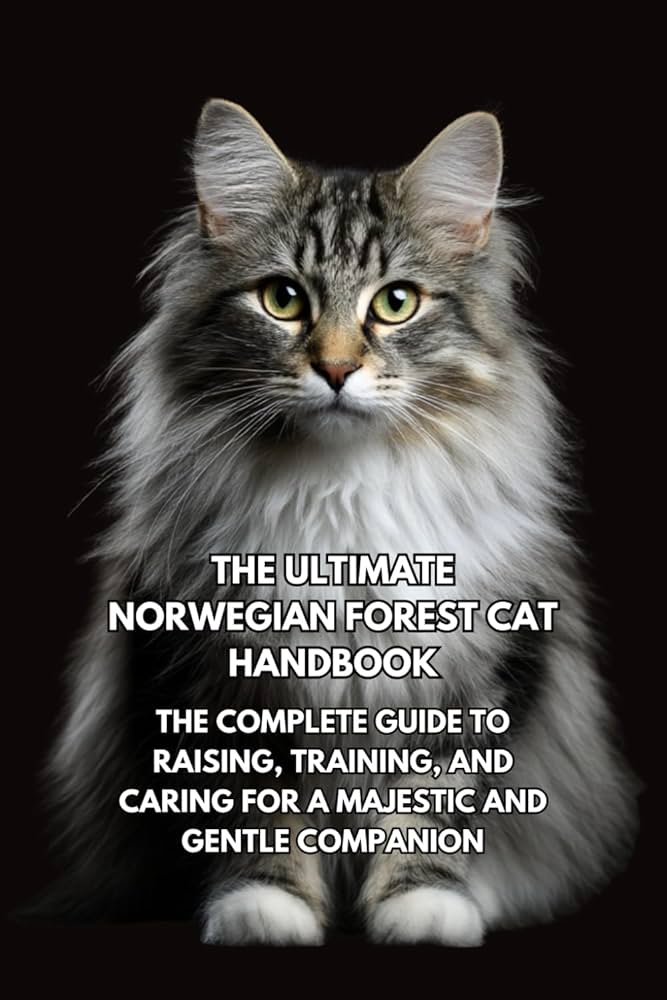
The Norwegian Forest Cat, affectionately known as the “Wegie” or skogkatt (meaning “forest cat”), is a large, muscular, and remarkably friendly feline breed with a rich history. Originating from Norway, where it is the official national cat, this breed’s lineage is intertwined with Viking lore, as they were historically kept on ships to control rodent populations. Norse oral traditions even speak of large, skilled climbing cats, with Wegies believed by some to be the mythical feline companions of the Norse gods. Despite their imposing size, often weighing between 12–15 pounds (with mature females around 8 pounds and males potentially exceeding 19 pounds), they are known for their gentle giant nature, maintaining a balance between loyalty and independence.
Understanding the Norwegian Forest Cat’s Personality and Temperament
Norwegian Forest Cats are characterized by their affectionate, loyal, bright, and playful disposition. They tend to mature slowly, retaining a kitten-like demeanor until around five years of age. While not overly demanding of attention, they possess a strong desire to befriend everyone they encounter. This makes them an excellent choice for families with children and other pets. Their adaptability to various living situations and people is notable, provided they receive adequate love, attention, and opportunities for climbing and play. However, their thick fur makes them less tolerant of hot weather.
Norwegian Forest Cat Health Considerations
As a natural breed, the Norwegian Forest Cat is generally healthy, often living up to 20 years. However, potential owners should be aware of a few health issues that can affect the breed:
Hypertrophic Cardiomyopathy (HCM)
This common heart disease in felines involves the thickening of the heart muscle, impairing its ability to pump effectively and potentially leading to congestive heart failure and fatal blood clots. Symptoms may include loss of appetite, lethargy, and difficulty breathing. Diagnosis typically involves an EKG, X-ray, and ultrasound, with treatment often requiring hospitalization and lifelong medication.
Hip Dysplasia
Hip dysplasia occurs when the hip joint does not develop correctly, resulting in a loose joint and potential arthritis. Signs include discomfort and limited mobility, such as limping or reluctance to jump. While manageable with anti-inflammatories and pain medication, severe cases may require surgery. Diagnosis is made through physical examination and X-rays, and joint supplements can be beneficial.
Glycogen Storage Disease
This rare, inherited disorder affects glucose metabolism, leading to an inability to produce energy. Symptoms include weakness, lethargy, muscle loss, and can be fatal in kittens. There is no known treatment, and affected cats often have a shortened lifespan. Diagnosis can involve tissue enzyme analysis, urine analysis, genetic testing, and electrocardiography.
Feeding Your Norwegian Forest Cat
Norwegian Forest Cats do not have highly specialized dietary needs beyond those of typical felines. It is crucial to feed them an AAFCO-approved cat food appropriate for their life stage (kitten, adult, or senior). A combination of wet and dry food can be beneficial, with wet food aiding hydration and dry food helping to reduce tartar buildup.
Feeding Schedule and Portions
Feed your Wegie a measured amount appropriate for their size, typically two or three times a day. Given their slow maturation, consult with your veterinarian or breeder regarding the appropriate time to transition from kitten to adult food, usually around their fifth birthday. Due to their larger size, Norwegian Forest Cats require more food than smaller breeds. Use feeding guidelines on the packaging as a starting point and adjust as needed, being careful to avoid free-feeding or overfeeding, which can lead to obesity and exacerbate hip dysplasia.
Nutritional Support
Discuss with your veterinarian whether joint supplements would be beneficial for your Norwegian Forest Cat, especially given the breed’s predisposition to hip dysplasia.
Behavior, Training, and Activities
Temperament and Adaptability
Norwegian Forest Cats are known for their calm and friendly nature, making them well-suited for families. They are intelligent and playful, maintaining a curious and interactive spirit throughout their lives. While they enjoy companionship, they also value their independence and can tolerate being alone for periods, though they may experience separation anxiety if left alone frequently.
Training and Activities
The clever Wegie is trainable and can easily learn basics like litter box usage (ensure the box is sufficiently large). Their intelligence and desire to engage with their families make them good candidates for clicker training and learning tricks. They may also enjoy harness training, allowing them to explore the outdoors with their owners, reflecting their “forest cat” heritage.
Activities that cater to their natural instincts are highly recommended:
- Climbing cat towers, shelves, and other elevated spaces.
- Engaging with toys that mimic prey.
- Interactive play sessions with their human families.
- Learning new tricks.
- Utilizing food puzzles to stimulate their minds.
Grooming Your Norwegian Forest Cat
The Norwegian Forest Cat boasts a dense, water-repellent, semi-long coat designed for harsh climates. To prevent matting and maintain coat health, weekly combing is essential. During seasonal shedding periods in spring and fall, grooming frequency may need to increase.
Coat Care
Regular combing is the most crucial aspect of coat care, preventing painful mats that may require professional removal.
Nail, Eye, and Ear Care
Routine nail clipping is necessary to prevent overgrowth and discomfort. While no specialized eye care is typically needed, consult your veterinarian if you notice any redness or discharge. Similarly, check for any odor, debris, or redness in the ears and seek veterinary advice if an infection is suspected.
Final Considerations for Prospective Owners
The Norwegian Forest Cat is a devoted and adaptable companion. They thrive in homes where they receive adequate attention and have opportunities to explore their environment, particularly through climbing. Owners in warmer climates should ensure their Wegie has ways to stay cool and avoid heat.
Frequently Asked Questions
How much does a Norwegian Forest Cat typically cost?
Prices for Norwegian Forest Cats usually start at $1,000 and can increase significantly for kittens with exceptional pedigrees, potentially reaching several thousand dollars.
What is the average weight of a Norwegian Forest Cat?
Mature females typically weigh between 8–10 pounds, while males can range from 15–19 pounds or more.
What are the key differences between a Norwegian Forest Cat and a Maine Coon?
While both breeds are large with impressive coats, Norwegian Forest Cats tend to be slightly smaller and more slender, with a more almond-shaped eye compared to the Maine Coon. Their distinctive bushy tail and dense, water-resistant coat are shared traits.
