
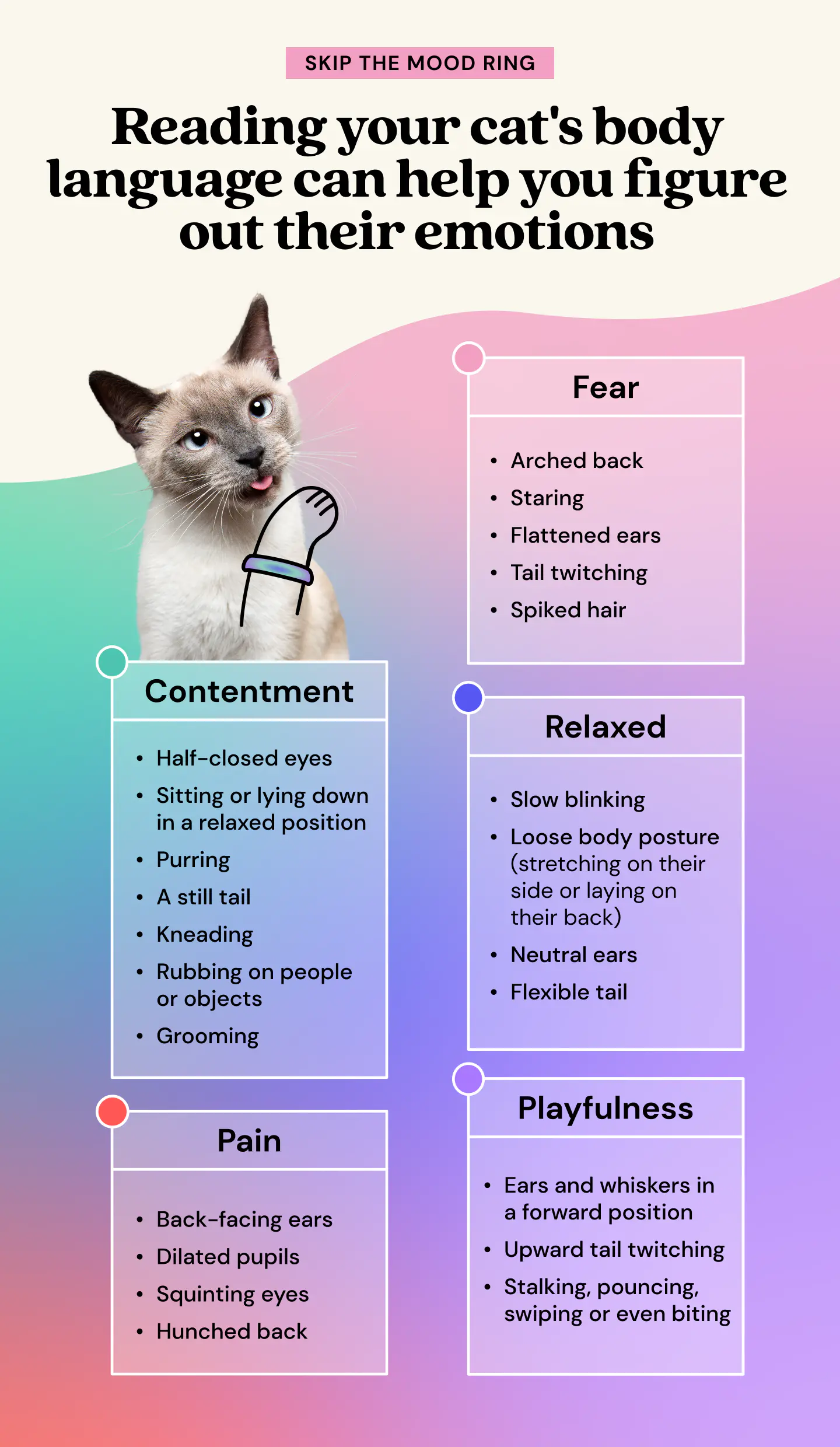
As feline companions, cats are known for their mysterious and often unique behaviors. From lounging in sunbeams to sudden bursts of energy, many of their actions stem from instinct. However, discerning between typical cat behavior and signs of distress or illness is crucial for any pet owner. This guide aims to help you understand what constitutes normal feline conduct and when to seek professional advice for abnormal behaviors.
Cats exhibit a range of predictable behaviors common to their species. Recognizing your cat’s “baseline” behavior – their daily habits and activities – is the first step in identifying deviations. By observing them closely, you can become attuned to their normal routines.
Normal cat behavior encompasses a variety of actions, many of which are endearing or understandable once you grasp their origins. For instance, the instinct to seek high vantage points, such as countertops or shelves, is deeply ingrained, providing them with a sense of security and a better view for potential “prey.” Providing them with cat trees and window perches can help redirect this natural tendency away from forbidden surfaces.
The thrill of the hunt is another fundamental feline instinct. Whether they are stalking a dust bunny, a stray sock, or a favorite toy mouse, cats are natural predators. This stalking and pouncing behavior, often seen from kittenhood, is a harmless outlet for their predatory drive. Ensuring they have an ample supply of engaging toys can satisfy this need.
The comforting act of kneading, affectionately known as ‘making biscuits,’ is a behavior learned as kittens to stimulate milk production from their mothers. This association with comfort and nourishment often carries into adulthood, leading cats to knead soft surfaces like blankets or their owner’s laps. It’s a sign of contentment and a strong bond.
Grooming is another significant aspect of a cat’s daily routine, with cats typically spending a considerable portion of their waking hours meticulously cleaning themselves. Mutual grooming between cats also occurs, reinforcing social bonds within a household.
Teeth chattering, often observed when a cat is intently watching birds or other potential prey through a window, is usually a sign of intense anticipation or frustration. This soft clicking sound, often accompanied by tail twitching, reflects their focused hunting instincts.
Bunting, the gentle rubbing of their cheeks against objects and people, is a way for cats to mark their territory using scent glands located in their cheeks. This behavior, along with headbutts, is also a playful form of interaction and a bid for attention.
Wild ancestors of domestic cats were often crepuscular or nocturnal hunters, which explains why some cats remain active at night. This nighttime energy can manifest as sudden bursts of play or vocalizations. Engaging your cat in active play before bedtime can help expend this energy, making them less likely to disturb you during the night.
Vocalizations such as meowing, yowling, hissing, and spitting are all considered normal forms of cat behavior communication. Some cats are naturally more vocal than others, and their specific sounds can convey a range of needs and emotions.
While many feline behaviors are normal, certain actions can signal underlying issues. Abnormal behaviors may stem from fears, anxieties, obsessive-compulsive tendencies, or even physical health problems. A sudden change in your cat’s routine or behavior warrants attention.
Red flag behaviors that may indicate a problem include:
- Excessive self-grooming: This can lead to hair loss and skin irritation (hyperesthesia or psychogenic alopecia).
- Litter box problems: Accidents outside the litter box can signify stress, medical issues, or behavioral challenges.
- Changes in eating or drinking habits: Significant increases or decreases can point to health concerns.
- Pica: The consumption of non-food items like fabric, plastic, or dirt can be a sign of nutritional deficiencies or behavioral issues.
- Chewing or sucking on fabric: This behavior, sometimes seen in conjunction with pica, can be linked to anxiety or past weaning issues. If your cat exhibits deaf cat behavior, it is important to consider how this may impact their overall well-being and potential for stress.
- Increased hiding: While cats naturally seek solitude, prolonged or increased hiding can indicate fear or illness.
- Lethargy: Sleeping significantly more than usual can be a sign of illness or depression.
- Sudden aggression or fear: Unprovoked aggression or extreme fearfulness can signal pain or a change in environment.
- Vocalization during litter pan use: Crying or meowing in the litter box may indicate pain or difficulty urinating or defecating.
It is important to note that if your cats are fighting, it can be a sign of stress or underlying issues. my cats are fighting can be a serious concern that requires attention. Similarly, if your cat is exhibiting neutered male cats fighting behaviors, it might indicate territorial disputes or other social stressors. Sudden changes in behavior, such as a cat suddenly hiding under bed, also warrant investigation. Understanding cat nesting behavior is also key to recognizing normal pre-birthing actions versus potential distress.
If you observe any of these red flag behaviors, or if you simply feel that something is “off” with your cat, consult with your veterinarian. Your intuition as a pet owner is often the most accurate indicator of your cat’s well-being. The team at Union Lake Veterinary Hospital offers specialized cat behavior services to help diagnose and modify problematic cat behavior issues. They can provide guidance and support to ensure your feline friend remains happy and healthy.
