
Choosing the ideal canine companion for your family is a significant decision, especially if you’re seeking a large dog that won’t leave a trail of fur across your home. For many, the dream of a big, affectionate dog comes with the practical concern of shedding and potential allergies. It’s a common misconception that truly “non-shedding” dog breeds exist. In reality, all dogs shed at least some hair and dander, but many large breeds are known for their significantly reduced shedding, making them a fantastic choice for allergy sufferers or those who prefer a cleaner living environment.
If you’re eager to welcome a substantial furry friend but hesitant about the constant cleanup, this comprehensive guide will walk you through the world of non shedding big dogs that don’t shed much, offering insights into their unique coats and care requirements. We’ll help you discover a gentle giant that fits perfectly into your life without the excessive fluff. For those interested in intelligent dog breeds that don’t shed, several on our list also fit that description perfectly.
Understanding Dog Shedding and “Hypoallergenic” Breeds
Before diving into specific breeds, let’s clarify what causes shedding and the often-misunderstood term “hypoallergenic” dogs. Many people mistakenly believe they are allergic to dog fur itself. However, the primary allergens are proteins found in a dog’s saliva, urine, and tiny flakes of dead skin called dander. When dogs shed, this dander, along with fur, becomes airborne and can trigger allergic reactions.
Therefore, even short-coated dogs can cause allergy issues if they produce a lot of dander. So, what does “hypoallergenic” truly mean for dogs? It doesn’t mean “allergen-free.” Instead, these breeds are generally considered “hypoallergenic” because they shed less fur and, consequently, release less dander into the environment. Their unique coat types often trap dander rather than releasing it, requiring regular grooming to manage. This makes them a more suitable option for individuals with mild to moderate pet allergies.
Top Non-Shedding Big Dogs That Don’t Shed Much
Now, let’s explore some of the best large dog breeds known for their minimal shedding. While individual shedding levels can vary even within these breeds, they are consistently recognized as low-shedders. When considering a substantial canine companion, exploring biggest dog breed that doesn’t shed options can simplify your search for an ideal match.
Standard Poodle
The Standard Poodle is perhaps the most iconic example of a large, low-shedding dog breed. Renowned for their exceptional intelligence, elegant appearance, and playful nature, Poodles are highly trainable and make wonderful family pets. Their single-layered, dense, curly coat sheds significantly less than the double coats found on most other large breeds. Instead of shedding, their hair grows continuously, similar to human hair. This unique coat requires consistent professional grooming and regular brushing at home to prevent matting and tangling.
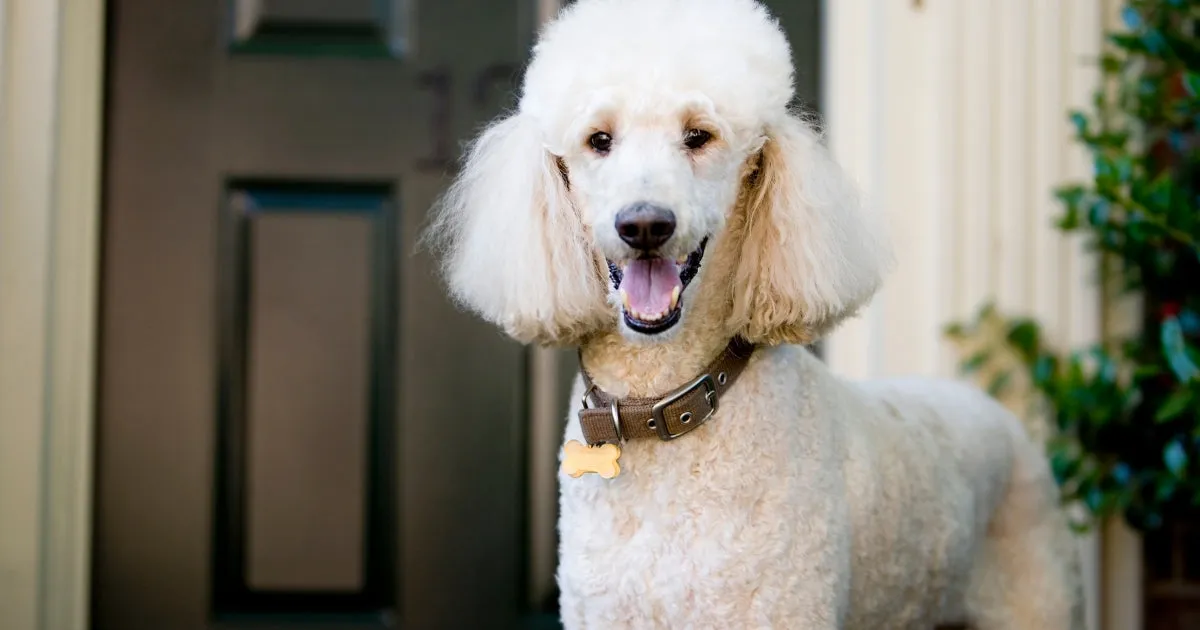 A happy white Standard Poodle with a well-groomed curly coat.
Giant Schnauzer
If you’re looking for a powerful, intelligent, and protective companion with minimal shedding, the Giant Schnauzer might be the perfect fit. This breed boasts a striking, wiry double coat that sheds very little. Originally bred for guarding and herding, they are loyal and courageous dogs that thrive with experienced owners who can provide consistent training and socialization. Their distinctive coat requires regular stripping or professional grooming every few weeks to keep it in prime condition and minimize dander.
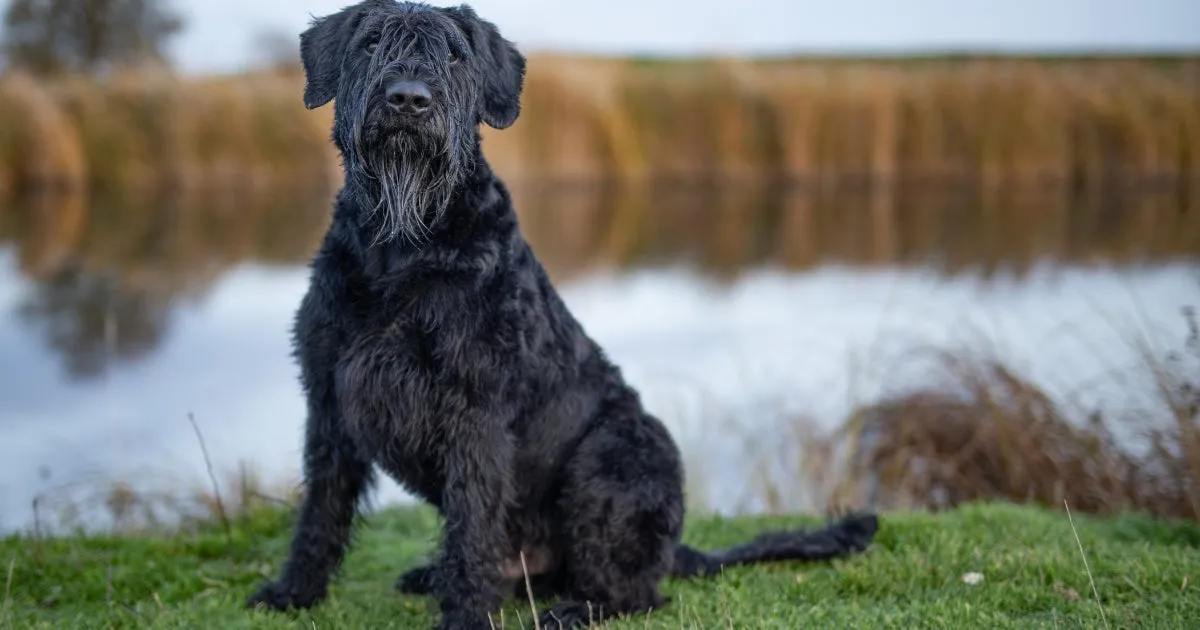 A large black Giant Schnauzer standing alert by a tranquil lake.
Airedale Terrier
Known as the “King of Terriers,” the Airedale Terrier is the largest of the terrier breeds, combining a lively spirit with a dignified presence. Their short, wiry, and dense coat is relatively low-shedding, making them a good option for those seeking a large dog without excessive hair. Airedales are intelligent, adventurous, and eager to please, though they can be independent. Their coat needs weekly brushing and periodic stripping or hand-plucking to maintain its texture and minimize shedding.
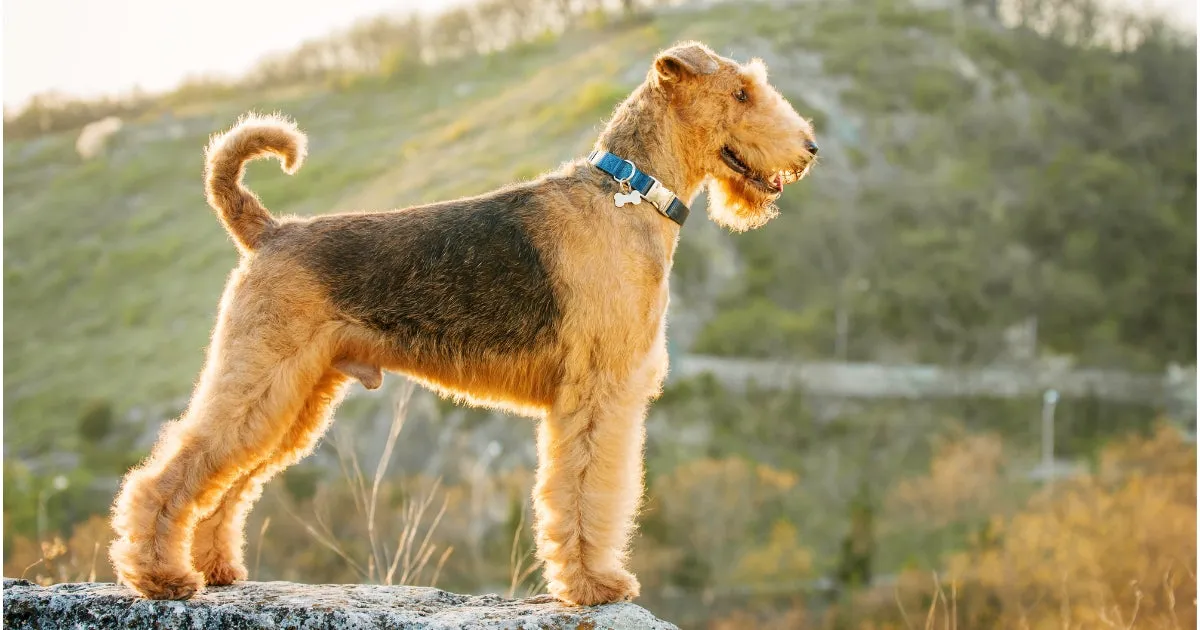 A brown and black Airedale Terrier with a distinctive square head, standing in a mountainous landscape.
Groodle (Goldendoodle)
The Groodle, or Goldendoodle, is a popular designer breed resulting from a cross between a Golden Retriever and a Poodle. These friendly, intelligent, and adaptable dogs are celebrated for their affectionate nature and are often large breeds with a coat that can range from wavy to curly. Due to their Poodle lineage, many Groodles are considered low-shedding and more allergy-friendly, though coat type can vary. Their soft coats grow continuously and require regular brushing and professional grooming to prevent mats and keep them clean.
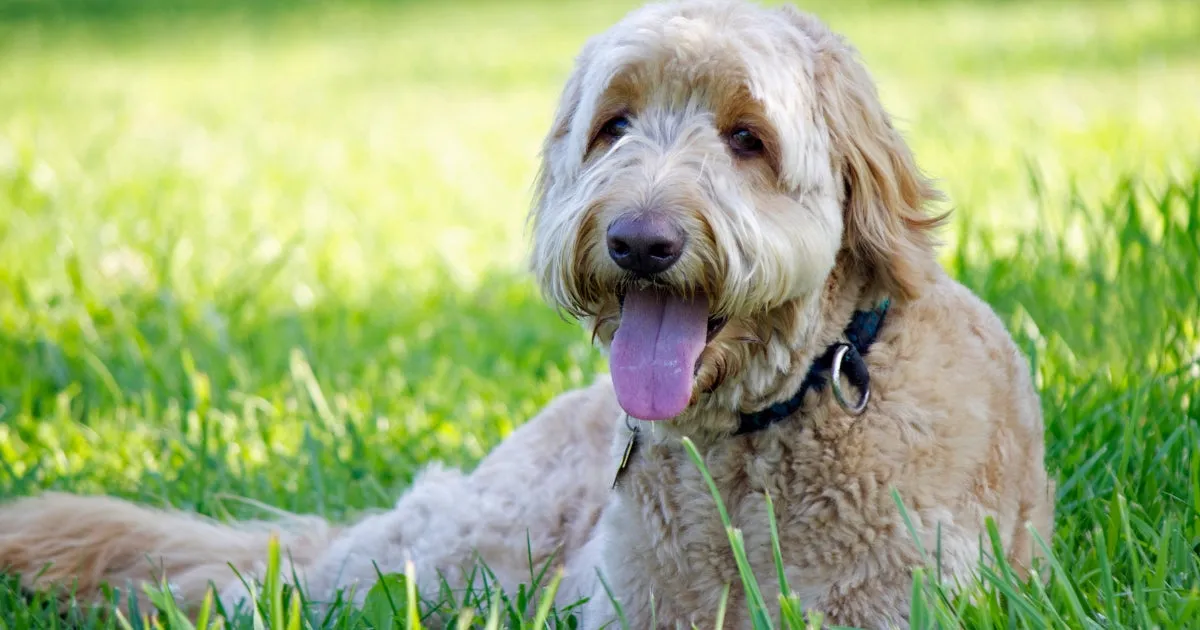 An apricot Groodle (Goldendoodle) with a teddy bear-like appearance, lying in green grass with its tongue out.
Afghan Hound
Despite their impressively long and flowing coat, Afghan Hounds are surprisingly considered a low-shedding breed. Their luxurious, silky hair is more akin to human hair than traditional dog fur, and while it requires significant grooming to prevent tangles and maintain its condition, it doesn’t shed profusely around the house. These elegant and independent dogs are known for their aristocratic demeanor and require regular exercise. They are a good choice if you are concerned about hair on your clothes and furniture, provided you’re committed to their extensive grooming routine.
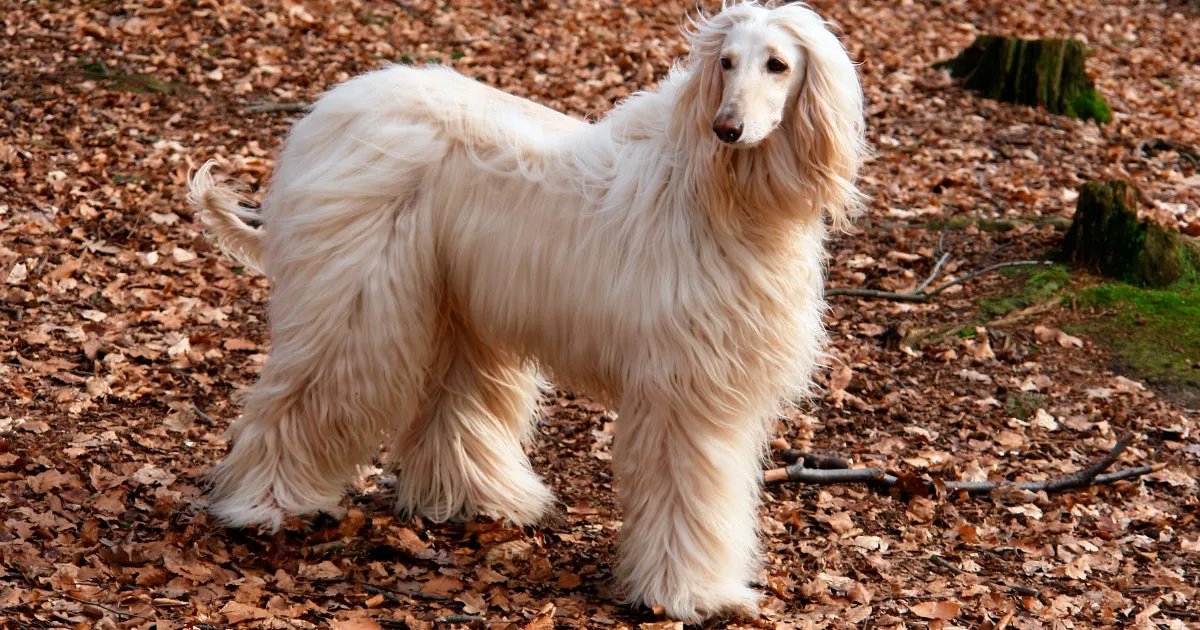 A striking beige Afghan Hound with its characteristic long, flowing hair caught in motion.
Irish Water Spaniel
The Irish Water Spaniel is a distinctive, energetic, and intelligent breed characterized by its tightly curled, water-resistant double coat. This unique coat sheds minimally, making them an excellent choice for active families seeking a low-shedding companion. Known for their playful and friendly nature, they excel in water sports and dog activities. Regular grooming, including brushing and occasional trimming, is essential to prevent matting in their dense curls.
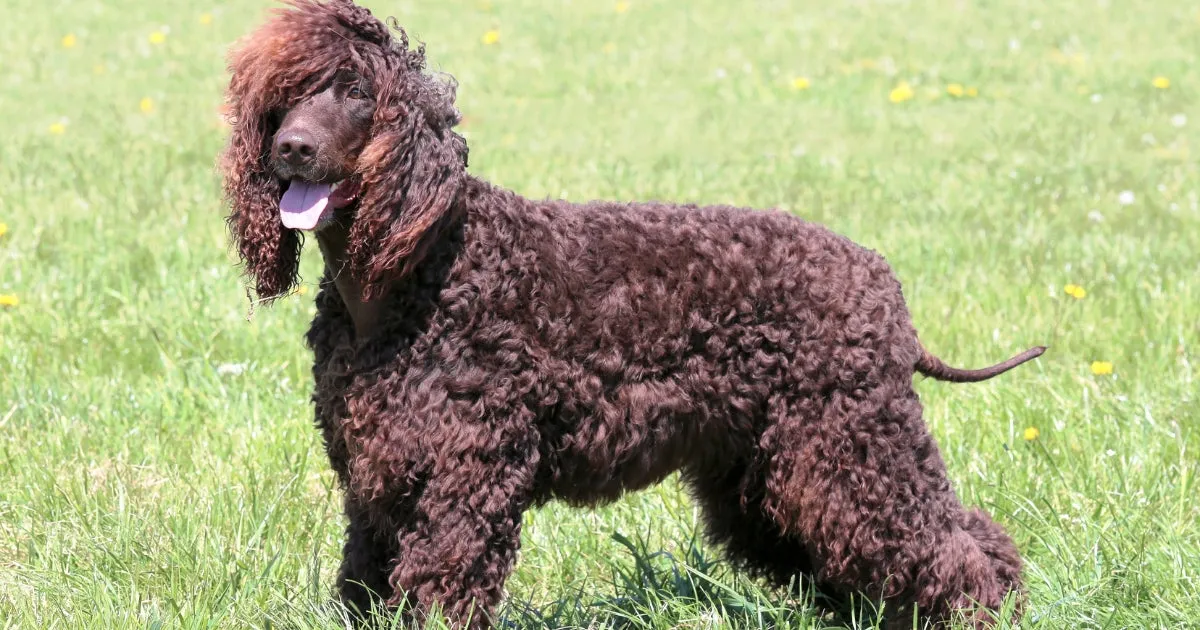 A brown Irish Water Spaniel with a dense, curly coat, showing its characteristic features.
Lagotto Romagnolo
Originating from Italy, the Lagotto Romagnolo is an ancient water dog primarily known for its truffle-hunting abilities. This breed possesses a dense, curly, woolly coat that is distinctly non-shedding. Lagottos are affectionate, loyal, and highly intelligent, making them excellent family companions. Their energetic nature means they thrive on outdoor activities and mental stimulation. Regular grooming, including clipping and brushing, is necessary to keep their unique coat healthy and prevent it from becoming matted.
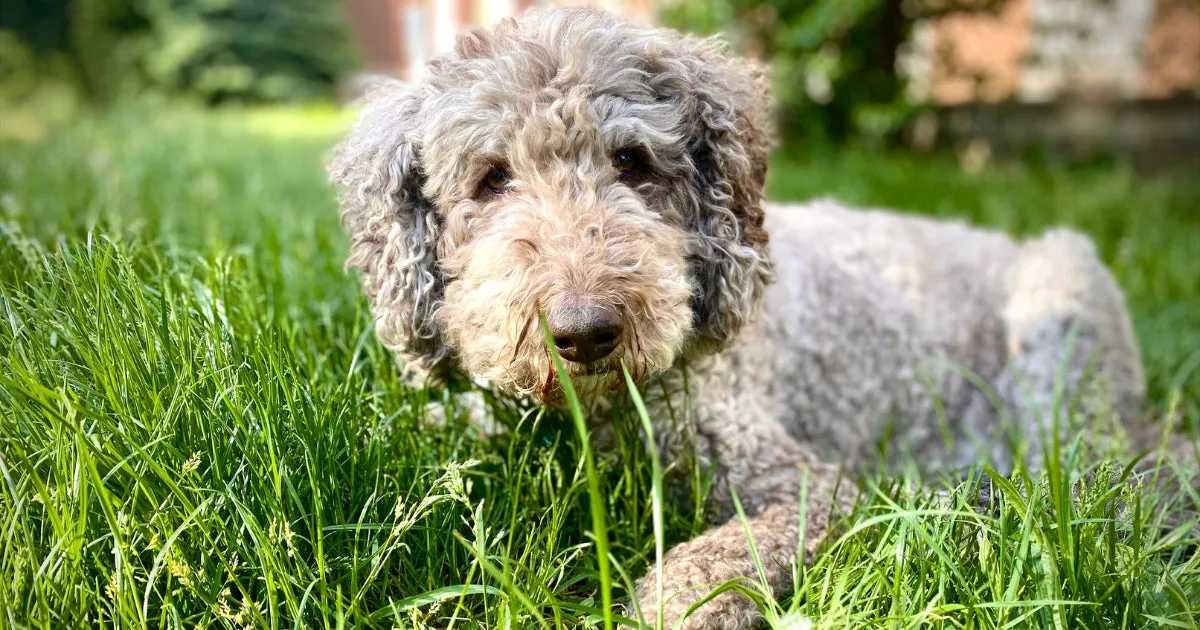 A grey and brown Lagotto Romagnolo with a dense, curly coat lying comfortably on green grass.
Portuguese Water Dog
Portuguese Water Dogs are highly trainable, enthusiastic, and thrive in active households that can provide ample exercise, mental engagement, and opportunities to swim – a favorite pastime. Their unique coat is hypoallergenic and non-shedding, making them an ideal choice for allergy-sensitive families. Instead of shedding, their hair grows continuously, much like a Poodle’s, requiring diligent and regular grooming to prevent matting and keep their coat healthy and manageable. Many consider them among the most popular dog breeds that don’t shed due to their charming personalities and low-shedding qualities.
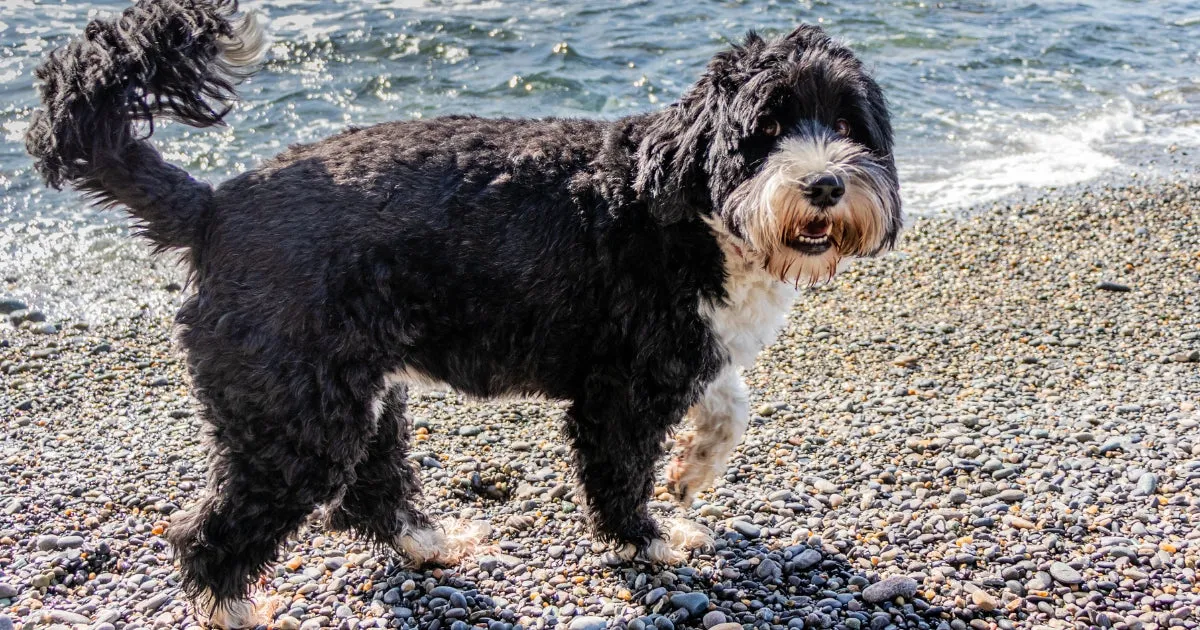 A black Portuguese Water Dog with a curly coat and white markings, walking confidently at the water's edge.
Komondor
The Komondor, also known as the Hungarian Sheepdog, is a large and powerful breed instantly recognizable by its distinctive, heavy, corded white coat. This unique coat offers excellent protection against harsh weather and predators. While virtually non-shedding, the Komondor’s cords require significant, specialized grooming to maintain their texture and prevent matting, especially as puppies. These big dogs are naturally protective and loyal, making them exceptional guardians for livestock or devoted family companions with proper training and early socialization. Their unique appearance often prompts questions about German Shepherd breeds that don’t shed due to their protective instincts, though Komondors are distinct in their coat type and heritage.
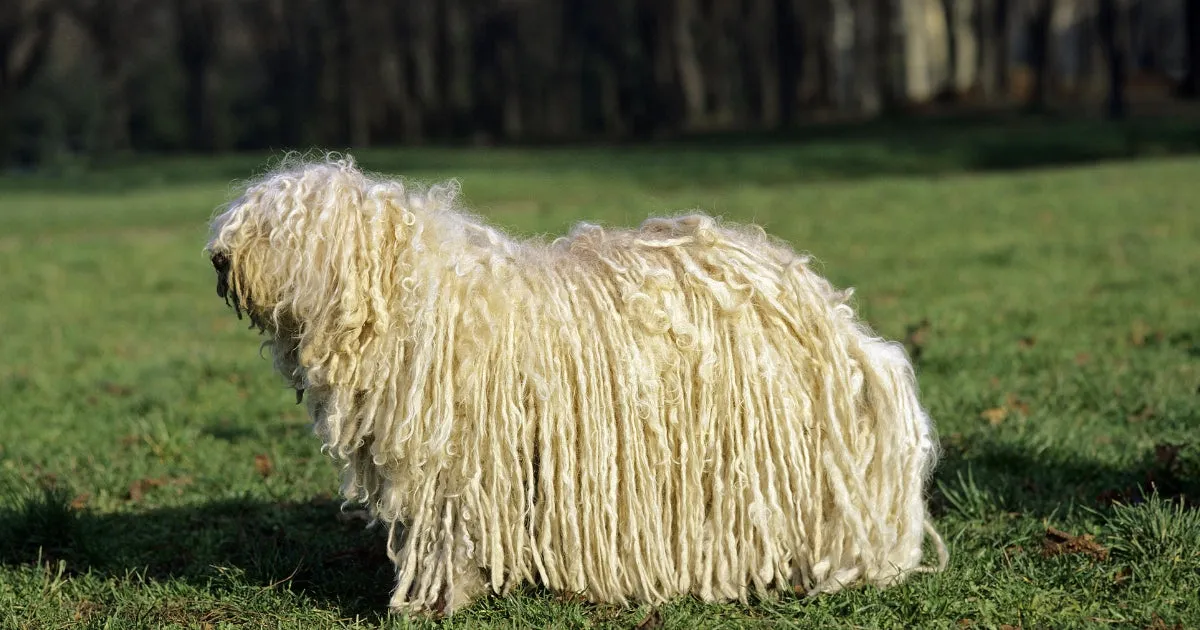 A Komondor dog with its distinctive white, heavy, corded coat, appearing majestic.
Peruvian Inca Orchid
The Peruvian Inca Orchid is a rare and elegant dog breed that comes in three coat varieties: hairless, coated, and long-haired. The hairless and short-coated varieties are generally low-shedding and require minimal grooming for their fur. However, their skin needs special protection from harsh weather, particularly the hairless type, which is susceptible to sunburn and cold. These affectionate and agile dogs thrive in active homes with attentive care, making them an intriguing option for those seeking a low-shedding, unique companion.
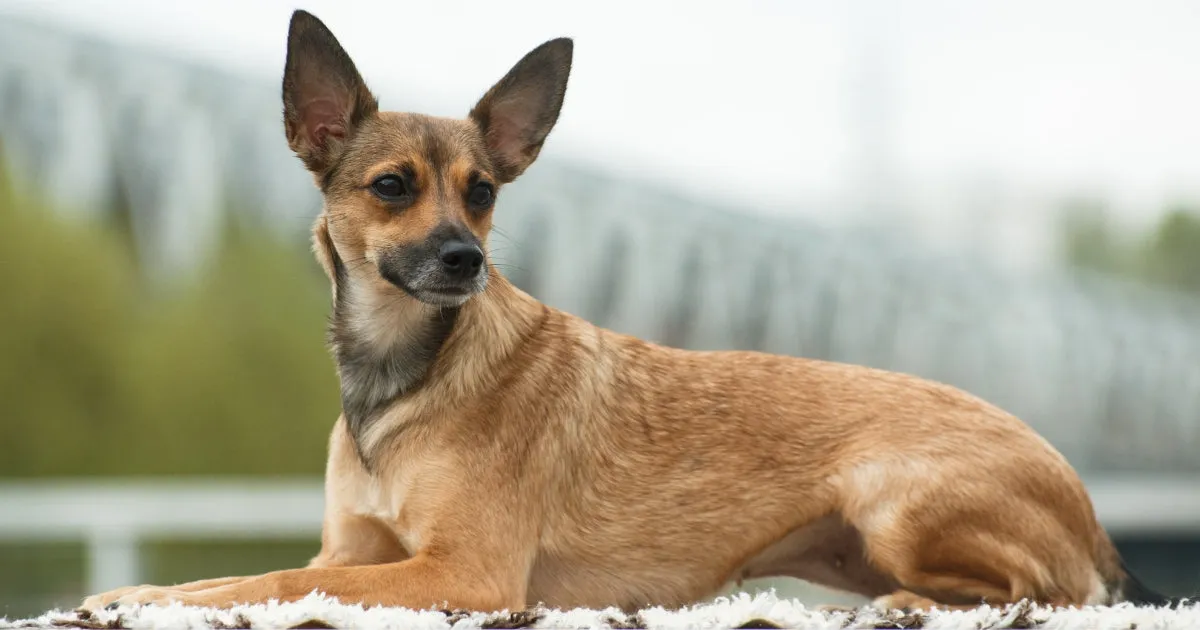 A short-haired, smooth brown Peruvian Inca Orchid with large, pointy ears and an alert expression.
Wirehaired Pointing Griffon
Wirehaired Pointing Griffons are enthusiastic and versatile hunting dogs with a dense, wiry double coat that sheds considerably less than many other double-coated breeds. While they may still have some shedding, it is minimal, and their coat is excellent at trapping loose hairs. This breed requires regular brushing, ideally daily, and periodic professional grooming or hand-stripping to prevent mats and maintain the coat’s wiry texture. They are known for their friendly demeanor and make excellent, active family companions.
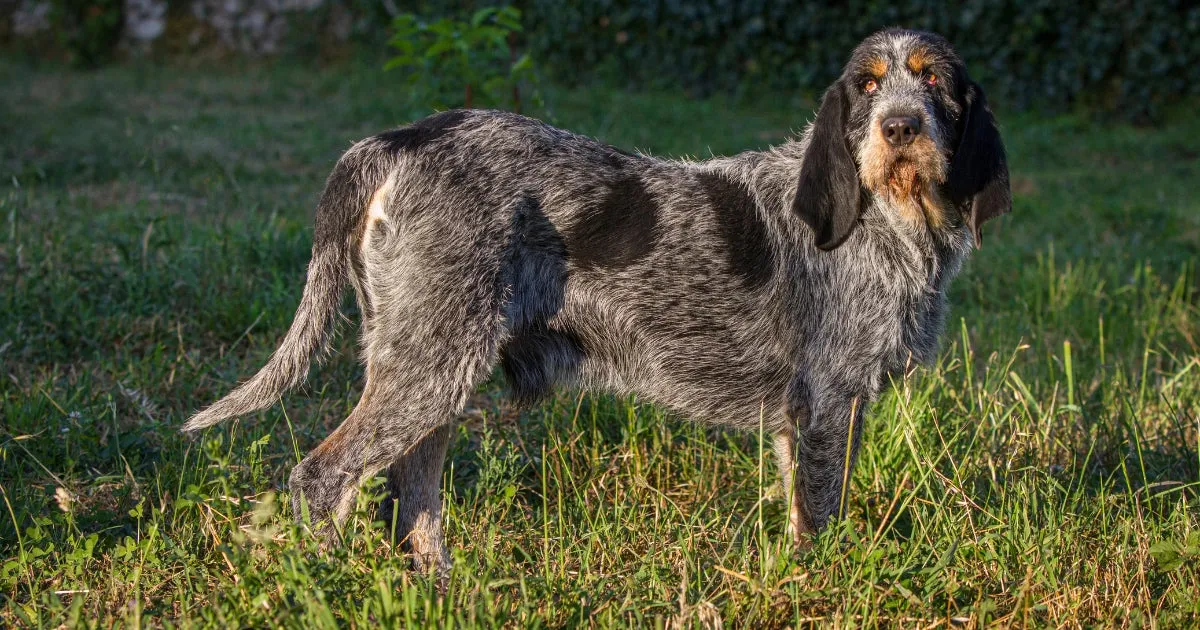 A grey Wirehaired Pointing Griffon with large black patches and expressive floppy ears.
Essential Grooming Tips for Low-Shedding Large Dogs
Even though low-shedding dogs produce less hair, they still require consistent and attentive grooming. In fact, their unique coat types often mean more frequent brushing is needed to prevent matting and tangling, as their hair grows continuously rather than shedding out. Regular grooming is not only crucial for maintaining a healthy coat but also helps distribute natural skin oils, prevent skin issues, and further minimize airborne dander.
Here are some essential grooming tips:
- Regular Brushing: Establish a routine of brushing your dog several times a week, or even daily for breeds like the Poodle or Afghan Hound. Use appropriate tools for their coat type—a slicker brush for curly coats, a pin brush for longer hair, and a metal comb for detangling.
- Professional Grooming: Many low-shedding breeds benefit significantly from regular professional grooming appointments every 4-8 weeks. Professional groomers can expertly trim, clip, or strip coats, preventing mats and keeping the fur manageable.
- Bathing and Skin Care: Bathe your dog as needed, typically every 4-6 weeks, using gentle, pet-specific shampoos and conditioners. This helps to clean the coat and skin, removing dirt, allergens, and loose dander.
- Dander Management: After walks or outdoor play, wiping your dog down with a damp cloth or specially formulated dog wipes can help remove lingering allergens and dander before they spread throughout your home.
- Paw and Snout Care: Don’t forget their paws and snout! Products designed for pet paw care can address cracked pads, while snout balms can soothe dry noses, ensuring overall comfort for your furry friend.
Establishing a comprehensive grooming routine with the right tools and products tailored to your dog’s specific needs will ensure your low-shedding companion looks and feels their absolute best.
Frequently Asked Questions (FAQs) about Non-Shedding Big Dogs
What is the least shedding large dog?
While no dog is truly 100% non-shedding, breeds like the Standard Poodle, Giant Schnauzer, and Komondor are consistently recognized for their minimal shedding. Many “oodle” crossbreeds (such as Labradoodles, Goldendoodles, and Bernedoodles), which often grow to be large, also fall into this category due to their Poodle lineage and curly, hypoallergenic coats.
What is the largest breed of non-shedding dog?
The Standard Poodle is generally considered the largest non-shedding dog breed. While other large breeds like the Giant Schnauzer or Komondor also shed minimally, the Standard Poodle stands out due to its typical size (weighing between 40 to 70 pounds or 18 to 32 kilograms), hypoallergenic coat, and very low shedding. Their dense, curly coat grows continuously and requires regular grooming to maintain.
What is the calmest large non-shedding dog?
Temperament can vary significantly between individual dogs, but several large non-shedding breeds are known for their calmer dispositions. The Standard Poodle, Irish Water Spaniel, and even some Groodles (Goldendoodles) often display a gentle nature and may require less intense exercise compared to other energetic breeds. These breeds can make excellent, laid-back companions for families seeking a peaceful presence with minimal shedding. For those wondering about smallest dog breed that doesn’t shed, there are also many calm options in that size category.
Are there other popular non-shedding big dog breeds to consider?
Beyond the breeds listed, other notable low-shedding large dog breeds include the Black Russian Terrier, Bouvier des Flandres, and the Spanish Water Dog. These breeds also possess unique coats that require specific grooming routines but contribute to significantly less hair around the home, making them suitable for allergy sufferers.
Final Thoughts: Finding Your Perfect Low-Shedding Companion
Choosing a furry family member is a joyous decision, and finding non shedding big dogs that don’t shed much opens up a world of possibilities for allergy sufferers and those who prefer a tidy home. While the concept of a truly “non-shedding” dog is a myth, many large breeds offer incredibly low shedding, allowing you to enjoy the love and loyalty of a sizable companion without the constant battle against dog hair.
Breeds like the Standard Poodle, Groodle, Portuguese Water Dog, and Giant Schnauzer are excellent options, each bringing their unique personality and charm. The key to a happy and healthy life with these dogs lies in understanding their specific grooming needs and committing to a regular care routine. By doing so, you can enjoy a clean, comfortable home while building an incredible, lifelong bond with your new furry best friend.
About the Expert
Ian Hamblin is a renowned pet enthusiast and the driving force behind Zach’s Pet Shop, a trusted name in the Australian pet industry. With an impressive track record of nearly 15 years, Ian has been supplying high-quality pet products to Australians, earning their trust and loyalty. His insights into pet care and breed-specific needs are invaluable for any dog owner.
