
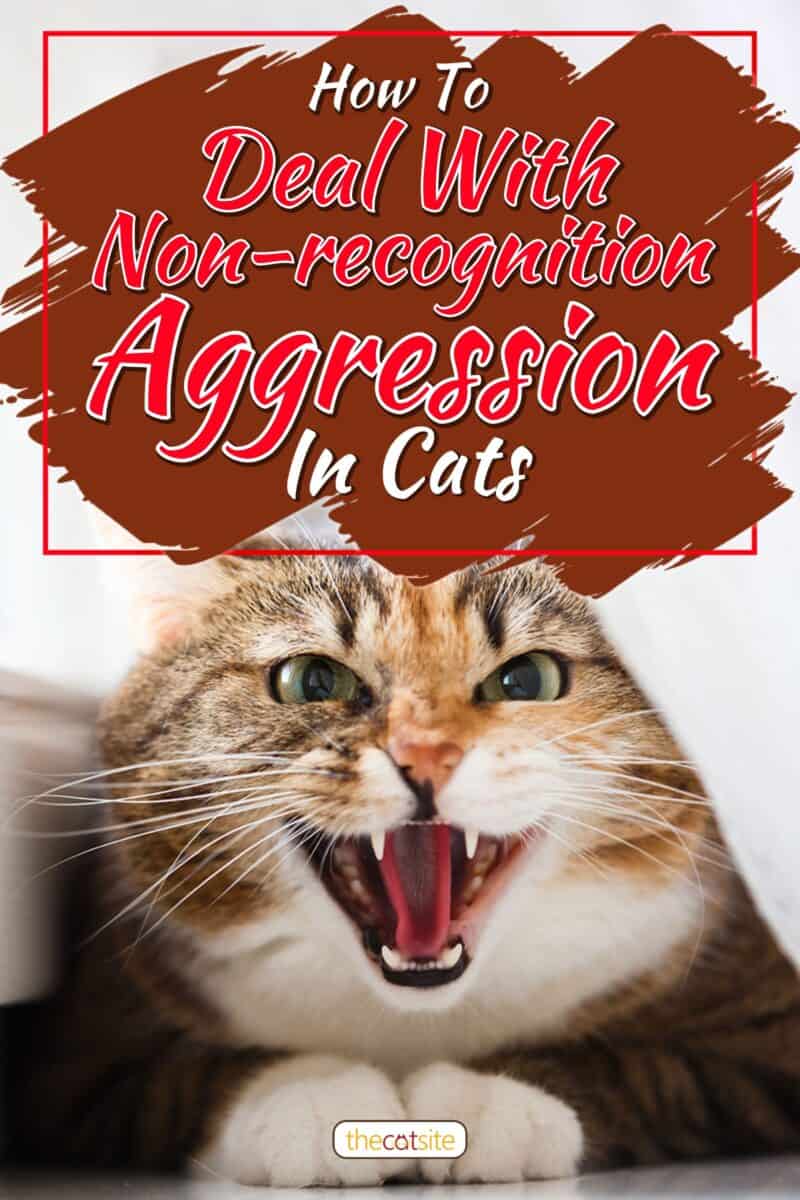
Non-Recognition Aggression Syndrome (NRAS) is a perplexing behavioral issue that can occur between cats in a multi-cat household. It happens when one cat becomes inexplicably aggressive towards another, often after one of them has been away from home, most commonly after a veterinary visit. This can lead to intense fighting, and in some cases, the aggression can even be redirected towards humans. This article aims to shed light on NRAS, its potential causes, and strategies for managing and preventing it, drawing from personal experience and expert insights.
My First Encounter with Non-Recognition Aggression Syndrome
My personal introduction to NRAS occurred with my two beloved brothers, Trouble and Squirt. Adopted as kittens nine years ago, they had always been inseparable. Trouble, a confident black cat, and Squirt, a gentle gray tabby, shared a strong bond. This bond was, however, tested after an emergency dental surgery for Trouble.
Following Trouble’s surgery, I brought him home while he was still groggy from anesthesia. My first mistake, in retrospect, was allowing him out of the recovery room too soon. When he emerged, disoriented and smelling strongly of anesthetic, Squirt was startled. Squirt hissed and fled, initiating a period of avoidance and tension between the brothers. This tension escalated dramatically a couple of days later into a full-blown fight, leaving the room covered in fur and urine, and both cats terrified and confused.
What Exactly is Non-Recognition Aggression Syndrome?
NRAS in cats is characterized by sudden, unprovoked aggression from one cat towards another within the same household. This typically happens after a period of separation, such as a trip to the veterinarian or a stay at a boarding kennel. The core of the issue lies in the cat’s primary sense of recognition: smell.
Potential Causes of NRAS
Several theories attempt to explain why NRAS occurs:
- Altered Appearance or Behavior: A cat returning from the vet may appear wobbly or move differently due to anesthesia or sedation, which can alarm its housemate.
- Unfamiliar Scents: Cats are highly sensitive to smell. A cat returning from the vet may carry the scents of other animals, disinfectants, or even anesthetic gases. This olfactory change can make the returning cat appear as a stranger to its housemate, triggering a defensive or aggressive response. Even the natural scent of fear, or the expressed contents of anal glands, can be highly distressing to another cat.
- The Role of Fear: In some cases, one cat’s fearful or submissive behavior upon returning home may inadvertently provoke the other cat, leading to an attack. This highlights the complexity and sometimes counter-intuitive nature of feline behavior.
Managing Non-Recognition Aggression
If your cats experience NRAS, immediate and careful management is crucial:
- Immediate Separation: Safely separate the cats to de-escalate the situation. Avoid yelling or punishing them. The aggressor should be moved to a separate room to calm down.
- Patience and Time-Out: Keep the cats completely separated, with no visual contact, until they exhibit calm behavior. This can take hours, days, or even weeks. Ensure each cat has its own resources (litter box, food, water, bedding). Do not allow them to “fight it out,” as this will worsen the aggression.
- Scent Swapping: Once the initial intensity has subsided, begin scent swapping. Exchange bedding or toys that smell of one cat into the other’s territory. You can also gently rub a sock on one cat and then place it in the other cat’s room. This allows them to become familiar with each other’s scent without direct interaction.
- Redirection and Positive Reinforcement: Engage each cat in daily play, especially with interactive toys like wand toys. This helps redirect their energy and aggression in a positive way. When they are in proximity and remain calm, offer treats and praise to create positive associations.
- Gradual Reintroduction: Once they are comfortable with each other’s scent, begin visual reintroductions through a crack in the door or a baby gate. Reward calm behavior. If aggression occurs, separate them and try again later. Patience is key; never rush the process. Cat play fighting can be a normal behavior, but NRAS requires a more structured approach.
- Supervised Interaction: Only when you are confident that aggression will not occur, allow supervised interaction. If any signs of aggression reappear, separate them immediately and reassess the reintroduction process.
My experience with Squirt and Trouble involved a week of separation followed by three weeks of gradual reintroduction using a tall pet gate. Daily play and abundant treats were essential in helping them rebuild their positive relationship.
Can Non-Recognition Aggression Be Prevented?
While not always preventable, certain measures can reduce the risk:
- Full Recovery from Anesthesia: Ensure the cat is fully awake and recovered before returning home.
- Extended Separation: Keep cats separated for at least 2-3 days after a vet visit. This allows them to shed unfamiliar scents and readjust to their home environment.
- Scent Management: If possible, bathe the returning cat before reintroduction, or at least wipe them down with unscented baby wipes. After bathing, rub familiar scents back onto the cat using a favorite toy or blanket.
By understanding feline behavior and applying these strategies, owners can navigate the challenges of Non-Recognition Aggression Syndrome and help their feline companions maintain peaceful coexistence. For further guidance on reintroducing cats, consider resources from feline behavior experts. If you have experienced NRAS, sharing your story can help other cat owners.
