
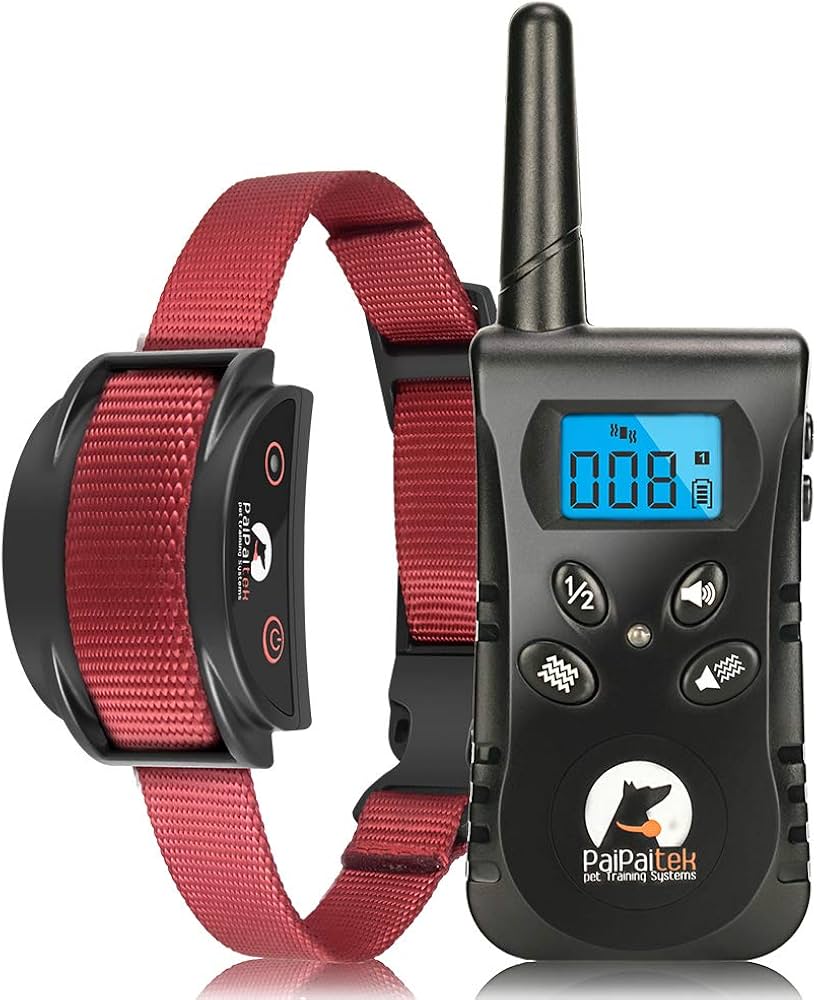
You’re looking for effective ways to train your dog, and you’ve heard about “No Shock Dog Training Collars.” It’s great that you’re prioritizing your dog’s well-being and seeking humane training methods. This is a crucial step in building a strong, trusting relationship with your canine companion. Instead of focusing on punishment, these collars emphasize positive reinforcement and clear communication, aligning with modern, ethical dog training philosophies. Understanding how these tools work, their benefits, and potential drawbacks will help you make an informed decision for your furry friend.
Understanding “No Shock” Training Collars: What Are They?
When we talk about “no shock dog training collars,” we’re generally referring to a category of training devices designed to correct or guide a dog’s behavior without delivering an electric shock. This is a broad umbrella term that can encompass several different types of technology and training philosophies. The core idea is to redirect unwanted behaviors or reinforce desired ones through methods that are considered humane and less aversive than traditional shock collars.
Types of No Shock Training Collars
- Vibration Collars: These collars use vibrations to get the dog’s attention. When the dog performs an unwanted behavior, a vibration is emitted. The dog learns to associate the vibration with the behavior and, with consistent training, will stop the behavior to avoid the sensation. They can be activated by a remote control or can be set to vibrate automatically when the dog barks (anti-bark collars).
- Citronella Collars: These collars release a spray of citronella-scented liquid when the dog barks. The smell is designed to be unpleasant and distracting to the dog, interrupting the barking. Like vibration collars, they can be activated by bark detection or a remote.
- Ultrasonic Collars: These devices emit a high-frequency sound that is unpleasant to dogs but typically inaudible to humans. When a dog barks or exhibits a specific behavior, the collar emits the sound, startling the dog and interrupting the action. Again, these can be remote-controlled or automatic.
- GPS Trackers and Activity Monitors: While not strictly “training” collars in the corrective sense, these devices help owners monitor their dog’s activity levels, location, and even behavioral patterns. This information can be invaluable for understanding a dog’s needs and developing a training plan. Some advanced models can also provide gentle audible cues.
- E-collars with Manual Correction Modes (Non-Shock): Some advanced e-collars, often referred to as remote training collars, offer a range of correction options, including vibration, tone, and mild static stimulation. However, high-quality ones focus on offering humane static stimulation that is calibrated to be unpleasant but not harmful, and they emphasize the use of vibration and tone as primary correction methods. When people refer to “no shock” collars, they might be thinking of these, especially when the user intentionally avoids the static stimulation option and sticks to vibration or tone.
The Philosophy Behind No Shock Training
The underlying principle of no shock dog training collars is rooted in positive reinforcement and humane education. Instead of relying on fear or pain to suppress behavior, these methods aim to teach the dog what is expected of them through clear communication and rewarding good choices. This approach is built on the understanding that dogs respond best when they are motivated and understand the desired outcome, rather than being scared into submission.
Positive Reinforcement as the Core
At its heart, “no shock” training aligns with positive reinforcement principles. This means rewarding desired behaviors—whether it’s sitting on command, walking calmly on a leash, or refraining from excessive barking—with something the dog values, like treats, praise, or a favorite toy. The goal is to increase the likelihood that the dog will repeat those good behaviors.
Building Trust and a Stronger Bond
Training without aversive methods like shock is paramount for building a trusting relationship. When a dog isn’t constantly worried about experiencing pain or fear from a training tool, they are more likely to feel secure and confident around their owner. This creates a positive feedback loop where training becomes a bonding experience, rather than a source of anxiety for the dog. This mutual trust is the foundation of a happy and well-behaved dog.
Addressing Behavior Humanely
No shock collars offer humane ways to interrupt or redirect unwanted behaviors. For instance, a vibration can signal to a dog that they are doing something they shouldn’t, like jumping on guests, without causing them distress. The dog learns to associate the sensation with the behavior, and over time, they begin to self-correct. This is a far cry from harsh punishment, which can lead to fear, anxiety, and aggression.
Benefits of Using No Shock Dog Training Collars
Opting for training tools that don’t involve shock offers a multitude of advantages, both for your dog’s welfare and the overall training experience. These benefits contribute to a more positive and effective training journey.
Enhanced Dog Welfare
The most significant benefit is undoubtedly improved animal welfare. Dogs trained with non-aversive methods are less likely to develop anxiety, fear-based aggression, or other behavioral problems stemming from the stress of punishment. This fosters a healthier emotional state for your pet.
Improved Owner-Dog Relationship
When training is based on positive interactions and clear, gentle guidance, the bond between owner and dog strengthens. Dogs learn to trust their owners as reliable sources of information and reward, rather than as potential sources of punishment. This leads to a more harmonious and enjoyable life together.
Effective for Specific Behaviors
- Barking Control: Citronella and vibration collars can be highly effective in managing nuisance barking. The sudden burst of scent or vibration serves as an immediate, non-painful deterrent, interrupting the barking cycle. For instance, if your dog barks at the mail carrier, a gentle vibration can signal them to stop.
- Leash Pulling: While not a collar’s primary function, some vibration or tone collars can be used in conjunction with leash training. A quick vibration can remind a dog to stay close to their handler when they start to pull too hard.
- Distraction Management: In environments with many distractions, a vibration or tone can help recapture your dog’s attention and bring them back to focus on you, aiding in training a dog with a remote training collar.
Reduced Risk of Behavioral Fallout
Unlike shock collars, which can sometimes cause unintended negative side effects like redirected aggression or generalized anxiety, no shock alternatives minimize these risks. The gentle nature of vibrations, scents, or sounds means the dog is less likely to develop negative associations with their owner or environment.
Potential Drawbacks and Considerations
While no shock dog training collars offer significant advantages, it’s important to be aware of potential limitations and to use them responsibly.
Not a Magic Bullet
It’s crucial to understand that no training collar, shock-based or otherwise, is a magic solution. They are tools designed to aid in training, not replace it. Consistent, positive training methods, proper socialization, and understanding your dog’s individual needs are still paramount. A collar alone won’t train your dog; it supports your training efforts.
Potential for Misuse or Over-Reliance
Even with humane tools, misuse can occur. For example, a citronella collar might be triggered by a dog’s excitement-induced vocalizations, leading to confusion or distress. Over-reliance on a collar without addressing the root cause of a behavior can also be ineffective. It’s essential to use these tools as part of a comprehensive training plan.
Effectiveness Varies by Dog
Just as dogs respond differently to training methods, they can also react differently to various types of no shock collars. Some dogs might be highly sensitive to vibrations, while others might barely notice them. Similarly, some dogs might habituate to ultrasonic sounds over time. What works for one dog might not work for another, requiring owner observation and adjustment.
Barking Collars Can Still Be Problematic
Automatic anti-bark collars, even those that use vibration or spray, can sometimes be triggered by external noises or other dogs barking, leading to unnecessary corrections. This can be confusing and frustrating for the dog. It’s often better to use remote-controlled versions so you can ensure the correction is delivered only when your dog is actively engaging in the unwanted behavior.
Choosing the Right No Shock Collar for Your Dog
Selecting the appropriate training tool depends on your dog’s temperament, the specific behavior you want to address, and your training philosophy.
Assess Your Dog’s Needs
Consider your dog’s personality, sensitivity level, and the specific issues you’re facing. A highly sensitive dog might do best with just a vibration collar, while a more stubborn dog might benefit from a citronella spray for barking.
Understand the Technology
Familiarize yourself with how each type of collar works. Read reviews, understand the range and settings available, and ensure the collar is a comfortable fit for your dog.
Prioritize Quality and Safety
Invest in reputable brands that prioritize safety and effectiveness. Look for adjustable settings, comfortable materials, and good battery life. Ensure the collar fits properly to avoid skin irritation or discomfort.
Integrate with Positive Training
Remember that the collar is a supplementary tool. Combine its use with positive reinforcement techniques, such as rewarding good behavior, providing adequate exercise and mental stimulation, and consistent training sessions. For example, when using a vibration collar for barking, pair it with a command like “Quiet” and reward your dog when they stop barking.
Alternatives and Complementary Training Methods
While no shock collars can be valuable aids, they are just one part of a broader training toolkit. Exploring other methods can provide a more holistic approach to your dog’s development.
Professional Dog Trainers
For persistent behavioral issues or if you’re new to dog training, consider consulting a professional. Dog trainer Staten Island and other local trainers can offer personalized guidance, assess your dog’s specific needs, and help you implement effective training strategies. They can also help you choose the right tools, such as top rated dog training collars, and ensure they are used correctly.
Obedience Classes and Training Clubs
Group classes and dog training club St. Petersburg offer socialization opportunities and structured training environments. Learning commands in a class setting, with distractions present, can be highly beneficial.
DIY Training and Mental Stimulation
- Clicker Training: This positive reinforcement method uses a clicker to mark desired behaviors, followed by a reward. It’s highly effective for teaching complex commands and tricks.
- Puzzle Toys and Enrichment: Keeping your dog mentally stimulated can reduce boredom-related behaviors like excessive barking or chewing. Interactive toys and puzzle feeders are great for this.
- Consistent Routines: Dogs thrive on predictability. Establishing consistent routines for feeding, potty breaks, exercise, and training can significantly improve their behavior and reduce anxiety.
Frequently Asked Questions (FAQs)
Q: Are no shock dog training collars truly humane?
A: Yes, when used correctly and as part of a positive training regimen, no shock collars like vibration, citronella, or ultrasonic models are considered humane alternatives. They aim to redirect behavior without causing pain or fear.
Q: Can I use a no shock collar for serious behavioral problems?
A: For serious issues like aggression or severe anxiety, it’s best to consult a professional dog trainer or a veterinary behaviorist. While no shock collars can aid in training, they are typically not sufficient on their own for complex behavioral problems.
Q: How quickly will a no shock collar work?
A: The effectiveness varies depending on the dog, the type of collar, and the consistency of your training. Some dogs respond within days, while others may take a few weeks to associate the cue with the behavior. Patience and consistency are key.
Q: Are vibration collars safe for all dogs?
A: Vibration collars are generally safe for most dogs, but it’s important to choose one with adjustable intensity levels. Start at the lowest setting and gradually increase if needed. Always monitor your dog for any signs of stress or discomfort.
Q: Can these collars be used in conjunction with shock collars?
A: While some trainers might use a combination of tools, it’s generally recommended to stick to one training philosophy. Using a shock collar and a no shock collar simultaneously can confuse the dog. If you choose a humane approach, it’s best to avoid shock collars altogether.
Q: What is the main goal when using a no shock training collar?
A: The main goal is to communicate with your dog effectively and humanely, helping them understand desired behaviors without resorting to punishment. It’s about guiding them towards making better choices.
Q: How do I know if a vibration collar is working?
A: You’ll notice your dog stopping the unwanted behavior when the vibration is activated, and over time, they may begin to self-correct or respond to a pre-warning vibration or tone. If the dog appears distressed or confused, the intensity may be too high, or the collar might not be the right tool for that specific behavior or dog.
Conclusion: A Gentle Path to a Well-Behaved Companion
The journey of training your dog is one of patience, consistency, and understanding. By opting for “no shock” dog training collars, you are choosing a path that prioritizes your dog’s emotional well-being and strengthens your bond. These tools, when used judiciously as part of a comprehensive positive reinforcement strategy, can be incredibly effective in guiding your canine companion toward good behavior. Remember that the ultimate goal is not just a well-behaved dog, but a happy, confident, and trusting relationship built on mutual respect. Explore the options, stay consistent, and enjoy the rewarding experience of training your beloved pet.
