
Training your dog doesn’t have to be complicated. “No-nonsense dog training” is all about straightforward, effective methods that build a strong bond between you and your furry friend. It cuts through the fluff and focuses on what truly works, creating a happy, well-behaved dog and a harmonious home. This approach prioritizes clear communication, consistency, and understanding your dog’s natural instincts.
The Foundation: Understanding Your Dog
Before diving into specific commands, it’s crucial to understand the basics of canine behavior and psychology. Dogs are intelligent creatures with their own ways of communicating and learning. Recognizing their needs, motivations, and communication signals is the first step to successful training.
Canine Communication: What Your Dog is Telling You
Dogs communicate through a combination of body language, vocalizations, and scent. Learning to read these signals is key.
- Body Language: Tail wags can mean different things, from happiness to nervousness. Ear position, posture, and facial expressions (like a lip lick or yawn) all convey messages. A stiff body and direct stare can indicate tension, while a relaxed, loose body often signals comfort.
- Vocalization: Barking, whining, growling, and howling are all ways dogs express themselves. Understanding the context and tone of these sounds can help you decipher your dog’s needs, whether it’s a warning, a request, or a sign of distress.
- Scent: Scent is a dog’s primary sense. They explore the world and gather information through smell. Marking territory with urine is a natural behavior, and understanding this can help manage outdoor interactions.
Motivation: What Drives Your Dog?
Understanding what motivates your dog is central to no-nonsense dog training. Most dogs are motivated by:
- Food: High-value treats are excellent for rewarding desired behaviors, especially during initial training.
- Praise and Affection: A happy tone of voice, petting, and ear scratches can be powerful reinforcers for many dogs.
- Play: Engaging in play, like fetch or tug-of-war, can be a fantastic reward and a great way to strengthen your bond.
Essential Training Principles for Real-World Results
No-nonsense training relies on a few core principles that should be applied consistently.
Consistency is King
This is perhaps the most critical element. Everyone in the household must be on the same page regarding rules and commands. If one person allows the dog on the couch and another doesn’t, the dog will become confused. Use the same cues (words and hand signals) for the same behaviors every time. This clarity helps your dog learn faster and reduces frustration for everyone.
Positive Reinforcement: Rewarding Good Behavior
Positive reinforcement is the cornerstone of ethical and effective dog training. It involves rewarding your dog for performing a desired behavior, making them more likely to repeat it. This is far more effective and humane than punishment-based methods, which can lead to fear, anxiety, and aggression.
- Timing is Everything: Reward your dog immediately after they perform the desired action. If you wait too long, they won’t associate the reward with the behavior.
- Value of Rewards: Use rewards that your dog finds highly motivating. For some dogs, tiny pieces of chicken or cheese are gold. For others, an enthusiastic “Good boy!” and a vigorous belly rub might be enough.
Clear Cues and Commands
Use short, distinct words for commands. Avoid long sentences or changing the command word. For example, “Sit” is clear. “Fido, would you be so kind as to take a seat?” is not. Hand signals can be very useful, especially for dogs who are hard of hearing or in noisy environments.
Patience and Realistic Expectations
Dogs learn at different paces. Some pick things up quickly, while others need more repetition. Avoid getting frustrated. Celebrate small victories and understand that setbacks are a normal part of the learning process. Training is a marathon, not a sprint.
Core Commands Every Dog Should Know
These fundamental commands are the building blocks for a well-behaved dog and enhance safety.
1. Sit
- How-to: Hold a treat near your dog’s nose. Move the treat up and slightly back over their head. As their nose follows the treat, their rear end will naturally lower. The moment their rear touches the ground, say “Sit” and give them the treat and praise.
- Why it’s important: “Sit” is a foundational command that helps manage excitement, prevent jumping, and can be used to gain attention before other commands.
2. Stay
- How-to: Ask your dog to “Sit.” Then, hold up an open palm in front of them and say “Stay.” Wait just a second or two, then reward them if they remained in place. Gradually increase the duration and distance. If they move, simply guide them back to the original spot and try again without punishment.
- Why it’s important: “Stay” is crucial for safety, preventing your dog from running into traffic or away from you in an unsecured area.
3. Come (Recall)
- How-to: This is perhaps the most important command for safety. Start in a quiet area. Get down low and excitedly call your dog’s name followed by “Come!” When they reach you, shower them with praise and high-value treats. Never punish your dog if they eventually come to you, even if it took a long time – you want them to associate coming to you with good things.
- Why it’s important: A reliable recall can save your dog’s life in an emergency.
4. Down
- How-to: From a sit position, hold a treat at your dog’s nose and slowly lower it to the ground between their front paws, then slightly away from them. As they follow the treat down, they should lie down. Say “Down” as they are doing so, and reward them when their elbows touch the floor.
- Why it’s important: “Down” is a calming command and useful for settling your dog in various situations.
Addressing Common Behavioral Challenges
No-nonsense training also involves practical solutions for everyday issues.
Leash Pulling
- The Problem: Many dogs pull on the leash, making walks a chore.
- No-Nonsense Solution: Stop walking the moment the leash becomes taut. Stand still. Only resume walking when the leash is slack. This teaches your dog that pulling stops the fun (the walk). Use a front-clip harness or a head halter for added control, but remember these are tools to aid training, not replacements for it. Consistent practice is key.
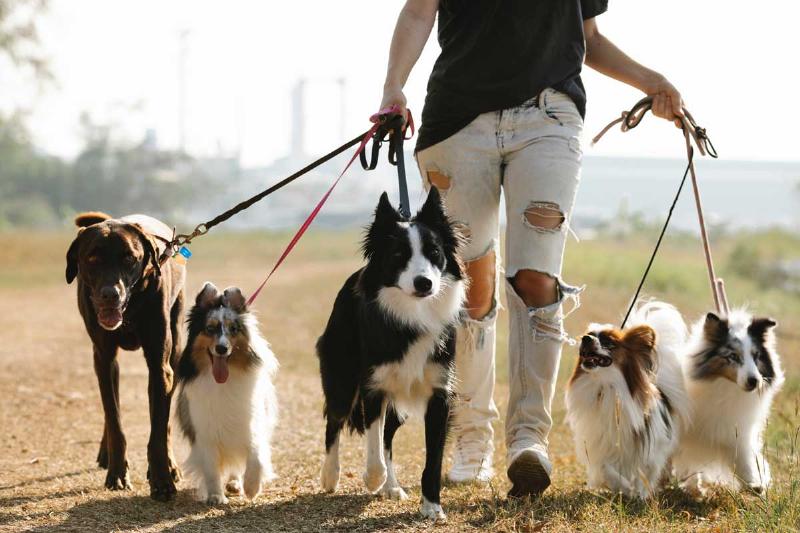 A dog being trained to walk calmly on a leash using positive reinforcement techniques
Jumping Up
- The Problem: Dogs often jump to greet people, especially when excited.
- No-Nonsense Solution: Ignore the jumping. Turn your back, step away, or even walk out of the room if necessary. The moment all four paws are on the floor, calmly greet your dog or offer a treat. Teach them an alternative behavior, like “Sit” for greetings. You can find more in-depth strategies for managing boisterous greetings in our guide on my pitbull puppy is out of control.
Excessive Barking
- The Problem: Barking can be a sign of boredom, anxiety, territoriality, or a need for attention.
- No-Nonsense Solution: Identify the trigger for the barking. For boredom, increase exercise and mental stimulation. For anxiety, consult a professional. If it’s for attention, ignore the barking and reward silence. Teach a “Quiet” command by rewarding moments of silence after barking. Providing best dog training videos youtube can offer visual aids for managing such behaviors.
Mental Stimulation and Exercise: Fueling Good Behavior
A tired dog is a good dog. Physical exercise and mental stimulation are non-negotiable for a well-behaved canine.
Physical Exercise
The amount and type of exercise depend on your dog’s breed, age, and energy level. A young Border Collie needs far more than a senior Basset Hound. Regular walks, runs, and play sessions are essential. Don’t underestimate the power of a good game of fetch or a hike in nature.
Mental Stimulation
Mental exercise is just as important as physical. It tires their brain and prevents boredom-related behaviors.
- Puzzle Toys: Food-dispensing toys challenge your dog to figure out how to get their kibble or treats.
- Training Sessions: Short, frequent training sessions (5-10 minutes) are great for mental engagement.
- Nose Work: Hiding treats around the house or yard and letting your dog “hunt” for them taps into their natural scenting abilities.
- Learning New Tricks: Teaching new tricks, beyond basic commands, keeps their minds sharp. Exploring basic dog training books can provide a wealth of ideas for new tricks and training games.
Advanced Training and Socialization
As your dog masters the basics, you can move on to more advanced training and ensure they are well-socialized.
Socialization: A Lifelong Process
Exposing your dog to various sights, sounds, people, and other well-behaved dogs from a young age is crucial. Good socialization helps prevent fear and aggression later in life. This includes:
- People: Different ages, appearances, and gaits.
- Environments: Parks, streets, pet-friendly stores, car rides.
- Other Animals: Gentle, vaccinated dogs and other compatible pets.
Advanced Commands and Tricks
Once your dog has a solid foundation, you can teach them fun and useful advanced commands like “roll over,” “play dead,” or “fetch a specific toy.” These not only impress but also further strengthen the communication and bond between you.
The “Dog Care Story” Approach to No-Nonsense Training
At Dog Care Story, we believe in empowering dog owners with practical, compassionate, and effective training strategies. Our “no-nonsense” philosophy means we focus on building a relationship based on trust, clear communication, and mutual respect. We understand that every dog is an individual, and while the principles remain the same, the application may vary. We encourage owners to be observant, patient, and consistent, transforming everyday interactions into training opportunities. By embracing these straightforward methods, you’ll foster a deeper connection with your dog and enjoy a more fulfilling life together. Remember, consistent effort with positive reinforcement is the most straightforward path to a well-behaved canine companion.
