
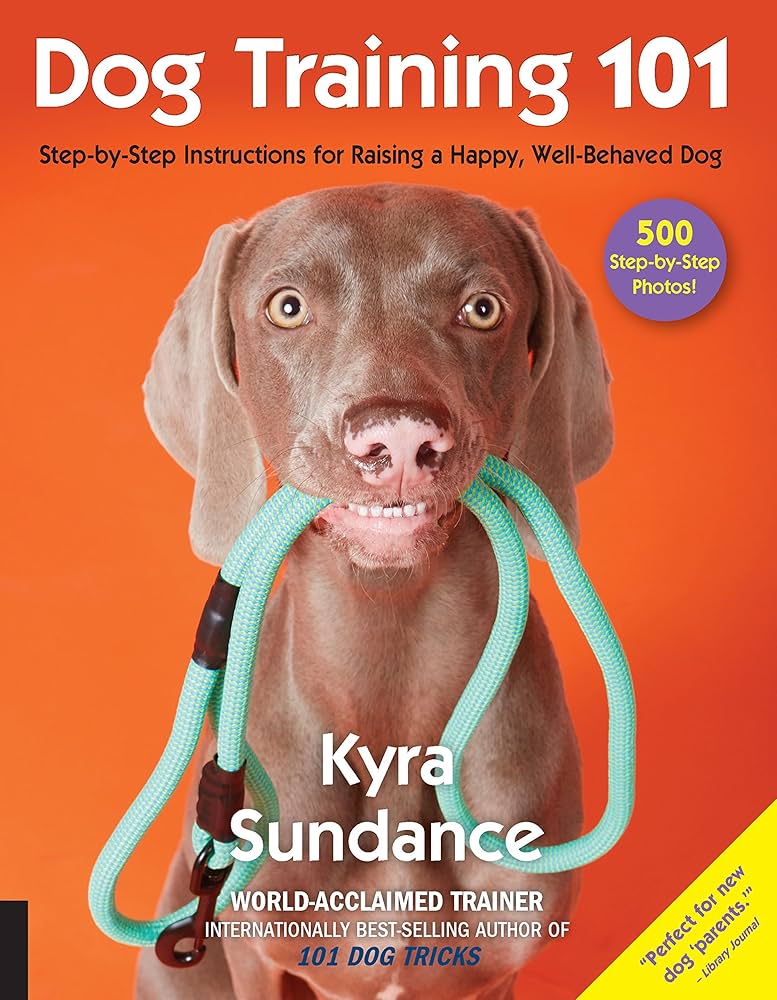
Welcome to the heart of our canine community, where we believe every dog deserves a chance to shine and every owner deserves a harmonious life with their furry friend. If you’re embarking on the rewarding journey of dog ownership or looking to deepen your bond with your current companion, you’ve landed in the right spot. “Nick’s Dog Training” isn’t just a name; it’s a philosophy built on understanding, patience, and positive reinforcement, aiming to equip you with the knowledge and tools to cultivate a well-behaved, happy, and confident dog. This guide will explore the core principles of effective dog training, from foundational obedience to addressing common behavioral challenges, all with the goal of strengthening the incredible connection you share with your dog.
The Foundation of Trust: Building a Strong Bond with Your Dog
Before diving into specific training techniques, it’s crucial to understand that successful dog training is fundamentally about building a strong, trusting relationship. Dogs thrive on clear communication, consistency, and a sense of security, all of which are fostered through positive interactions. Think of training not as a task, but as a continuous conversation between you and your dog, where each command and reward strengthens your mutual understanding.
Understanding Canine Communication
Dogs communicate through a complex system of body language, vocalizations, and scent. Learning to read these signals is paramount to effective training. A wagging tail, for instance, doesn’t always mean happiness; it can indicate excitement, nervousness, or even agitation depending on the context and other accompanying body cues.
- Tail Wags: A high, fast wag often signals excitement, while a low, slow wag might indicate uncertainty or apprehension.
- Ears: Pinned-back ears can suggest fear or submission, while pricked-up ears might denote alertness or interest.
- Body Posture: A relaxed stance with a loose body indicates comfort, whereas a stiff, tense posture can signal anxiety or a potential threat.
- Vocalizations: Barks, growls, and whimpers all convey different messages. Understanding the nuances of your dog’s vocal repertoire is key.
The Power of Positive Reinforcement
At Nick’s Dog Training, we champion positive reinforcement – a training method that rewards desired behaviors, making them more likely to occur again. This approach focuses on what you want your dog to do, rather than punishing what you don’t. Rewards can include:
- Treats: Small, high-value treats are excellent motivators.
- Praise: Enthusiastic verbal praise (“Good boy!”) can be very effective.
- Affection: Petting or a good scratch behind the ears can be a rewarding experience.
- Play: A favorite toy or a short game can serve as a reward.
This method not only encourages good behavior but also builds a positive association with training and with you, the owner. It transforms training from a chore into an enjoyable activity for both dog and human.
Essential Obedience Commands: The Building Blocks of Good Behavior
Mastering basic obedience commands is the cornerstone of responsible dog ownership. These commands not only ensure your dog’s safety but also provide a framework for clear communication and control in various situations.
Sit
The “Sit” command is often the first one taught and is foundational for many other behaviors.
- Lure: Hold a treat near your dog’s nose.
- Guide: Move the treat up and slightly over your dog’s head. As their nose follows the treat, their rear end will naturally lower into a sit.
- Reward: As soon as their rear touches the ground, say “Sit” and give them the treat and praise.
- Practice: Repeat this process several times a day in short, frequent sessions.
Stay
Once your dog reliably sits, you can introduce the “Stay” command. This teaches impulse control and patience.
- Command: Ask your dog to “Sit.”
- Signal: Hold up an open palm in front of them and say “Stay.”
- Distance: Take one small step back. If they remain seated, return and reward them.
- Increase Duration & Distance: Gradually increase the number of steps you take and the duration they must stay before rewarding. If they break the stay, calmly guide them back to their original position and try again with less distance or duration.
Come (Recall)
A reliable recall is perhaps the most critical command for your dog’s safety, especially if they tend to wander or are off-leash.
- Use a Happy Tone: Get down to your dog’s level and call their name followed by “Come!” in an enthusiastic, happy voice.
- Reward Generously: When they come to you, offer high-value treats, praise, and perhaps a favorite toy. Make coming to you the best thing ever!
- Practice in Safe Areas: Start in a quiet, enclosed space before practicing in more distracting environments.
- Never Punish: Never scold or punish your dog if they eventually come to you, even if it took a long time. You want them to associate coming to you with positive experiences.
Down
The “Down” command is a more relaxed position that can help calm an excited dog.
- Lure: From a sit position, hold a treat near your dog’s nose.
- Guide: Lower the treat straight down between their front paws and then slowly drag it away from them along the floor.
- Reward: As they follow the treat into a down position, say “Down” and reward them.
Addressing Common Behavioral Challenges
Even with the best intentions, dogs may develop behavioral issues. Nick’s Dog Training is here to help you navigate these challenges with understanding and effective strategies.
Leash Pulling
Leash pulling often stems from excitement or a lack of proper leash training.
- Equipment: Consider using a front-clip harness or a head halter, which can provide better control without causing harm.
- Training Technique: When your dog pulls, stop walking immediately. Wait until the leash slackens (even slightly) before resuming your walk. Reward them with a treat and praise when they walk nicely by your side. Consistency is key here.
- “Be a Tree”: This method involves simply standing still whenever the leash tightens. Your dog learns that pulling stops the fun (walking) and a loose leash allows them to move forward.
Excessive Barking
Barking is a dog’s natural way of communicating, but excessive barking can be disruptive.
- Identify the Cause: Is your dog barking at people passing by, other dogs, or out of boredom or anxiety? Understanding the trigger is the first step.
- Desensitization & Counter-Conditioning: For barking at external stimuli (like people or dogs), gradually expose your dog to the trigger at a distance where they don’t bark, rewarding calm behavior. Slowly decrease the distance over time.
- Manage the Environment: If your dog barks at things outside, close blinds or use window film to reduce visual stimuli.
- “Quiet” Command: Teach a “Quiet” command by rewarding moments of silence after barking. When they bark, let them bark a couple of times, then present a high-value treat near their nose. As they quiet down to sniff it, say “Quiet” and give the treat.
Separation Anxiety
Separation anxiety is a genuine distress response when a dog is left alone.
- Create a Safe Space: Ensure their crate or designated area is a positive, comfortable sanctuary, never used for punishment.
- Practice Departures & Arrivals Calmly: Avoid overly emotional greetings or goodbyes. Keep them low-key to minimize the association of your departure with distress.
- Gradual Departures: Start with very short absences (seconds, then minutes) and gradually increase the time.
- Provide Distractions: Leave puzzle toys or long-lasting chews (like a stuffed Kong) to occupy them during your absence.
- Consult a Professional: For severe cases, consult a veterinarian or a certified professional dog trainer specializing in behavior modification.
The Role of Play and Socialization in Training
Play is not just fun; it’s a critical component of a dog’s development and a powerful training tool. Socialization, the process of exposing your puppy (or adult dog) to various sights, sounds, people, and other animals in a positive way, is crucial for raising a well-adjusted dog.
Play as a Training Aid
- Building Drive: Games like fetch or tug-of-war can build your dog’s enthusiasm and focus, which can then be channeled into obedience training.
- Reinforcing Commands: Incorporate commands into play. For example, ask for a “Sit” before throwing a ball or a “Stay” before starting a game of tug.
- Bonding: Playtime is a direct way to strengthen your bond, making your dog more eager to please you during training sessions.
Socialization: Creating a Confident Dog
- Early Exposure: The critical socialization window for puppies is typically between 3 and 16 weeks. During this period, positive experiences lay the groundwork for a confident adult dog.
- Variety is Key: Expose your dog to different environments (parks, pet-friendly stores, quiet streets), people of all ages and appearances, and well-behaved, vaccinated dogs.
- Positive Associations: Ensure these encounters are positive. Use treats and praise to create good feelings. If your dog seems overwhelmed, increase the distance and work gradually. Avoid forcing interactions.
Nutrition and Health: Fueling a Trained and Happy Dog
A well-trained dog is often a healthy dog, and good health is fundamental to a dog’s ability to learn and thrive.
Choosing the Right Diet
The food you provide directly impacts your dog’s energy levels, coat health, and overall well-being, all of which are essential for effective training.
- Consult Your Vet: Discuss your dog’s specific needs, age, breed, and activity level with your veterinarian to determine the best type of food (kibble, wet food, raw diet) and brand.
- Quality Ingredients: Look for foods with named meat sources as the primary ingredients and avoid fillers like excessive corn, wheat, or soy if your dog has sensitivities.
- Portion Control: Feed the appropriate amount to maintain a healthy weight, as obesity can lead to numerous health issues and impact trainability.
Regular Veterinary Care
- Preventative Care: Annual check-ups, vaccinations, and parasite control (fleas, ticks, heartworm) are vital.
- Early Detection: Prompt veterinary attention for any signs of illness or injury can prevent minor issues from becoming major problems, keeping your dog in training-ready condition.
Continuing the Journey: Lifelong Learning with Your Dog
Training isn’t a one-time event; it’s an ongoing process that evolves as your dog grows and matures. At Nick’s Dog Training, we encourage a philosophy of lifelong learning, where you and your dog continue to grow, learn, and deepen your connection.
Whether you’re mastering new tricks, refining existing commands, or tackling new behavioral challenges, remember that consistency, patience, and a whole lot of love are your most powerful tools. Embrace the journey, celebrate the small victories, and enjoy the incredible companionship that a well-trained dog brings into your life. Together, we can write the most wonderful “Dog Care Story” for you and your beloved canine companion.
