
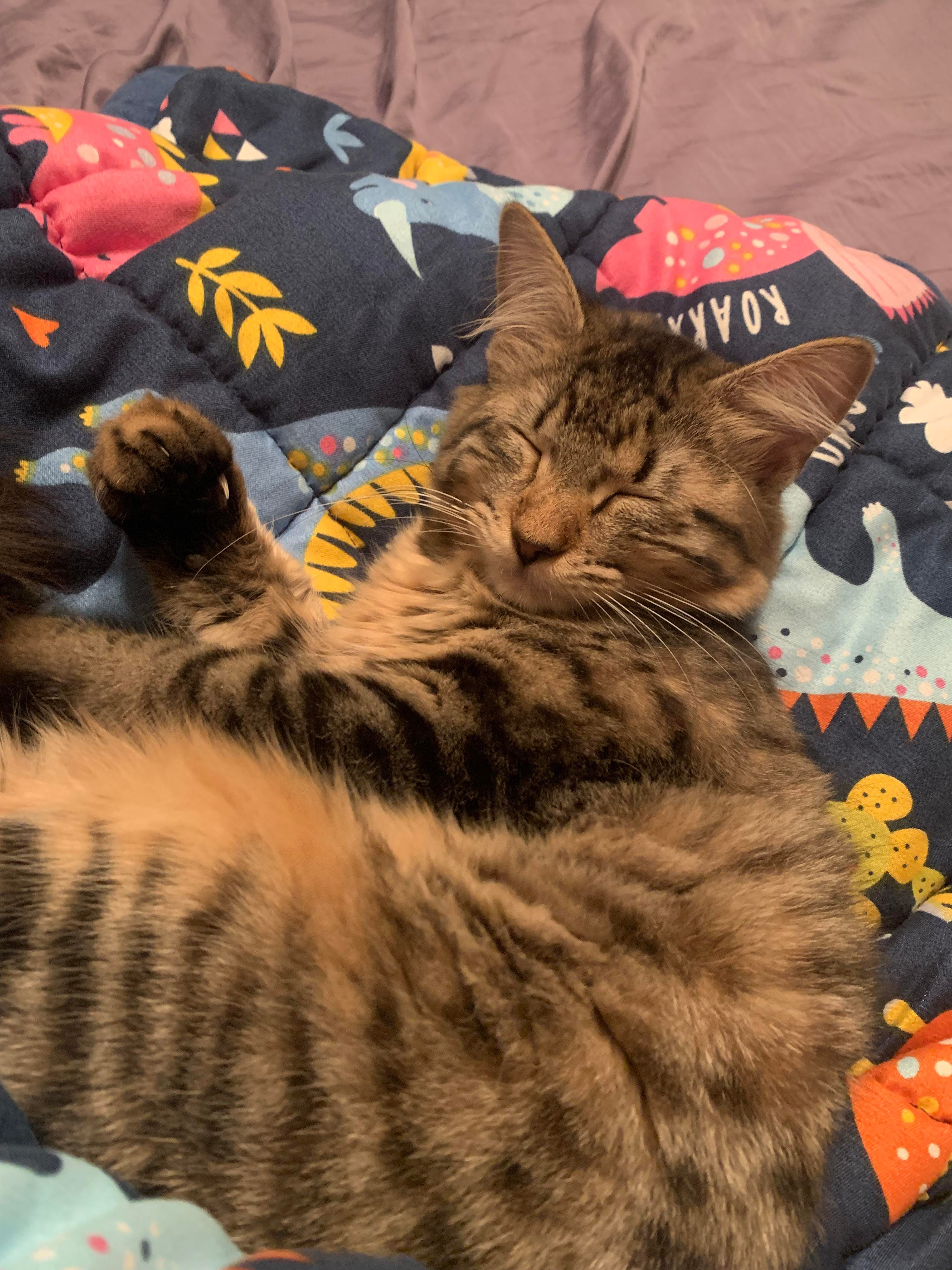
Welcoming a new kitten into your home is a joyous occasion, but it can quickly become overwhelming if your new furry family member expresses themselves with constant, loud meows. While their vocalizations are a natural part of their communication, excessive meowing can be disruptive for both you and your kitten. Understanding the underlying reasons for this behavior is the first step toward finding effective solutions and restoring peace to your household. This guide will explore why kittens meow, common triggers for excessive vocalization, and practical strategies to help calm your talkative feline.
Kittens meow for a variety of reasons, and it’s their primary way of communicating with their human companions. As cats have coexisted with humans for thousands of years, they’ve learned to adapt their vocalizations to gain our attention and express their needs. Understanding feline vocal communication is key to addressing this behavior effectively.
Why Do Kittens Meow?
The reasons behind a kitten’s meows are diverse, ranging from simple requests to potential signs of distress or medical issues. It’s crucial to decipher these vocal cues to provide appropriate care and training.
They Seek Attention
One of the most common reasons for kitten meows is a desire for attention. Cats have developed a unique bond with humans and use meowing as a direct method to engage with their owners. If your kitten feels lonely or simply wants interaction, they will likely meow to get you to notice them. This is their way of saying, “I’m here, and I want to play or be petted!”
They’re Hungry or Thirsty
Kittens rely on vocalizations to express basic needs. If your kitten’s food or water bowl is empty, or if they are not receiving adequate nutrition, they will meow to signal their hunger or thirst. Kittens may cry for food if their needs aren’t being met. Ensuring a consistent feeding schedule and readily available fresh water is essential.
They Want to Breed
Unspayed female cats in heat and unneutered male cats often become very vocal. This meowing is part of their mating behavior. Male unneutered cats may also exhibit other behaviors like spraying urine. Neutering or spaying your cat is not only beneficial for managing vocalization but also for their overall health and well-being, reducing the risk of certain diseases and behavioral issues. If you’re unsure about the right time to spay or neuter your cat, consult your veterinarian.
They’re Saying Hello
For many cats, meowing is simply a friendly greeting. They use this vocalization specifically towards humans, not typically towards other cats. Your kitten might just be acknowledging your presence or expressing happiness at seeing you.
They’re Stressed
Stress and anxiety can manifest as increased meowing in kittens. This could be due to separation anxiety, either from their mother or from you if you’ve recently brought them home. Recognizing signs of stress in cats is important. If your kitten seems unusually anxious, identifying the source of their stress and providing a secure environment can help.
They’re Sick
It’s crucial to remember that excessive meowing can also be a sign that your kitten is unwell. If your kitten is exhibiting other symptoms alongside increased vocalization, such as lethargy, changes in appetite, or vomiting, it’s imperative to seek veterinary attention. Conditions like hyperthyroidism or pain can cause cats to meow more frequently. While cats may also purr when sick, it’s a common misconception that purring always indicates contentment.
How Can I Make My Kitten Stop Meowing?
Addressing excessive meowing requires patience and a consistent approach. Instead of resorting to expensive training, you can implement several strategies at home to help your kitten learn to communicate more quietly.
Stop Giving Them What They Want (When Appropriate)
If your kitten is meowing solely for attention or treats, you can train them to associate quiet behavior with rewards. This doesn’t mean ignoring your cat when they genuinely need something, but rather teaching them that constant meowing won’t immediately get them what they desire. For instance, withhold playtime or petting until they cease meowing. Similarly, don’t feed them the moment they start meowing; wait for a brief period of quiet before offering food.
Address the Underlying Cause
It’s essential to rule out any medical reasons for excessive meowing. If you suspect a health issue, a visit to the veterinarian is the most important step. A vet can diagnose and treat any underlying conditions, such as pain or hormonal imbalances, that might be causing the increased vocalization.
Don’t Ignore or Punish Them
Punishing your kitten for meowing is counterproductive and can damage your bond. They are attempting to communicate, and punishment can lead to fear and anxiety, potentially worsening the problem. Instead, focus on positive reinforcement for quiet behavior and addressing the root cause of their vocalizations.
When Should I Take My Kitten to the Vet?
If your kitten’s meowing seems abnormal, has started suddenly, or is accompanied by other concerning symptoms, a veterinary visit is highly recommended. Kittens are more susceptible to certain illnesses, and early detection is key. As Dr. Laura Robinson, a Pawp veterinarian, advises, “If this is a new behavior, I would recommend a vet visit. Meowing loudly can be a sign of a medical problem like thyroid issues or pain.” Your vet can provide a professional assessment and recommend the best course of action, whether it’s behavioral training or medical treatment. Pawp offers 24/7 telehealth services with experienced veterinarians who can offer valuable insights into your kitten’s condition.
Ensuring your kitten receives proper care is paramount. By understanding their vocalizations and addressing any underlying concerns, you can help your kitten become a quieter, happier companion. Remember that getting a new kitten is a rewarding experience, and with the right approach, you can manage any behavioral challenges.
