
Bringing a new cat home is an exciting time, but it can also be a period of adjustment for both you and your feline friend. When your new companion, whether from a shelter or another source, is hesitant to leave their carrier or immediately hides, it’s natural to feel a bit concerned. This behavior is quite common, as cats rely heavily on familiar surroundings for their sense of security. Thankfully, there are effective ways to help your new cat feel safe, welcome, and build a positive bond with you. Adopting Your Next Cat: Welcome Home offers valuable insights into making this transition smoother.
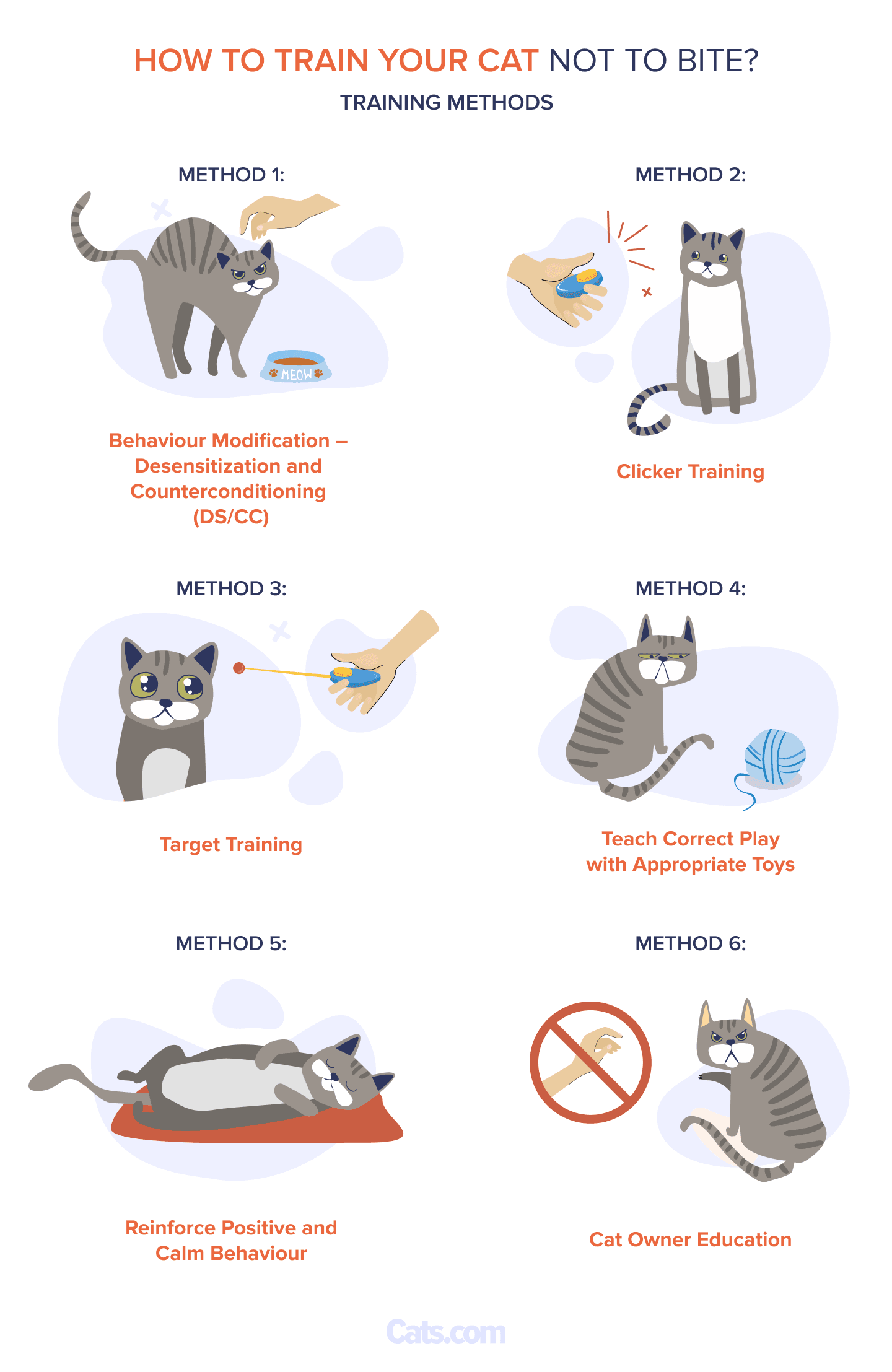
One engaging method to build trust and encourage your cat to emerge from hiding is through positive reinforcement training, specifically “targeting.” Contrary to popular belief, cats are highly trainable and can benefit from learning simple commands, much like dogs. This article will guide you through teaching your cat to touch your finger with their nose, a behavior known as targeting. This technique is particularly useful for shy or fearful cats, as it allows for interaction even when they are hiding, creating a positive association with your presence and the promise of good things. For those curious about the methodology, understanding “What is the clicker, anyway?” is a helpful first step.
Essential Tools for Training
Before you begin, gather the necessary supplies:
- High-Value Treats: Find a treat your cat loves and will work for. This could be wet food, crunchy treats, shredded chicken, or even meat baby food. For wet treats, offer them on a spoon to avoid accidental bites. Crunchy treats can be dropped on the floor or a small saucer.
- Clicker or Verbal Marker: A clicker can be used, but consider muffling its sound if it’s too loud for your cat. Alternatively, a short, consistent verbal marker like “good,” “right,” or “yes” can be used. Always use the same word.
- Willingness for Touch: Your cat should tolerate some level of human touch. If your cat is feral or extremely fearful, this method might not be suitable initially. Assess your cat’s comfort level before proceeding.
The Targeting Training Process
Once you have your supplies, find a comfortable spot where you can observe your cat. Training sessions should be short, ideally five to ten minutes.
Step 1: Loading the Clicker (or Verbal Marker)
The first step is to teach your cat that the click or verbal marker predicts a treat. Click the clicker (or say your marker word) and immediately offer a treat. Repeat this several times until your cat visibly responds to the sound, anticipating a reward. This may take anywhere from three to over fifteen repetitions, depending on the cat. Even if your cat only learns that you sometimes bring treats, this is still a beneficial outcome.
Step 2: Preparing Your Target
You will use either a single outstretched finger or a “fist of friendship” (all fingers folded into a fist) as the target. This presentation avoids the appearance of a threatening paw with claws extended.
Step 3: Presenting the Target
Place your finger or fist near your cat. The distance depends on your cat’s comfort level. If they are receptive to touch, start with 3-6 inches away. If they show signs of fear, such as flattened ears or trying to flee, move further away. The goal is to invite interaction without encroaching on their space.
Step 4: Reinforcing Movement Towards the Target
Observe your cat closely. Reward any movement of their nose towards your finger or hand with a click and a treat. Initially, even a sniff from a distance can be reinforced. The key is to reward the very first indication of interest or movement towards the target.
Step 5: Repetition and Raising Criteria
Consistency is crucial. Repeat the process, offering your finger or fist for your cat to interact with. As your cat becomes more comfortable and successfully touches the target multiple times, gradually start to withhold the click and treat for anything less than a clear touch. This process, known as “raising the criteria,” helps transition your cat to the desired behavior: a nose touch.
Important Training Tips
- Patience is Key: Once you present your hand, do not move it towards the cat. Allow them the choice to approach. This builds trust and respect for their personal space, which is invaluable for a lifelong bond.
- Keep Sessions Short: Short, positive training sessions are more effective than long, drawn-out ones. This keeps your cat engaged and looking forward to the next interaction.
- Consider Internal Links: If your cat experiences meowing at night, understanding the cause can be helpful. Similarly, for unneutered male cats that meow excessively, specific strategies may be needed. If your cat exhibits unusual car behavior, it’s worth investigating. Addressing general male cat meowing or when your cat doesn’t stop meowing can lead to a more peaceful household.
Training your new cat using the targeting method can be a rewarding experience, helping to build confidence and a strong connection. Remember to be patient, consistent, and always make training a positive event for your new companion.
Tagged cat fostering, cats, new cat tips, special needs, training, what to do if…
