
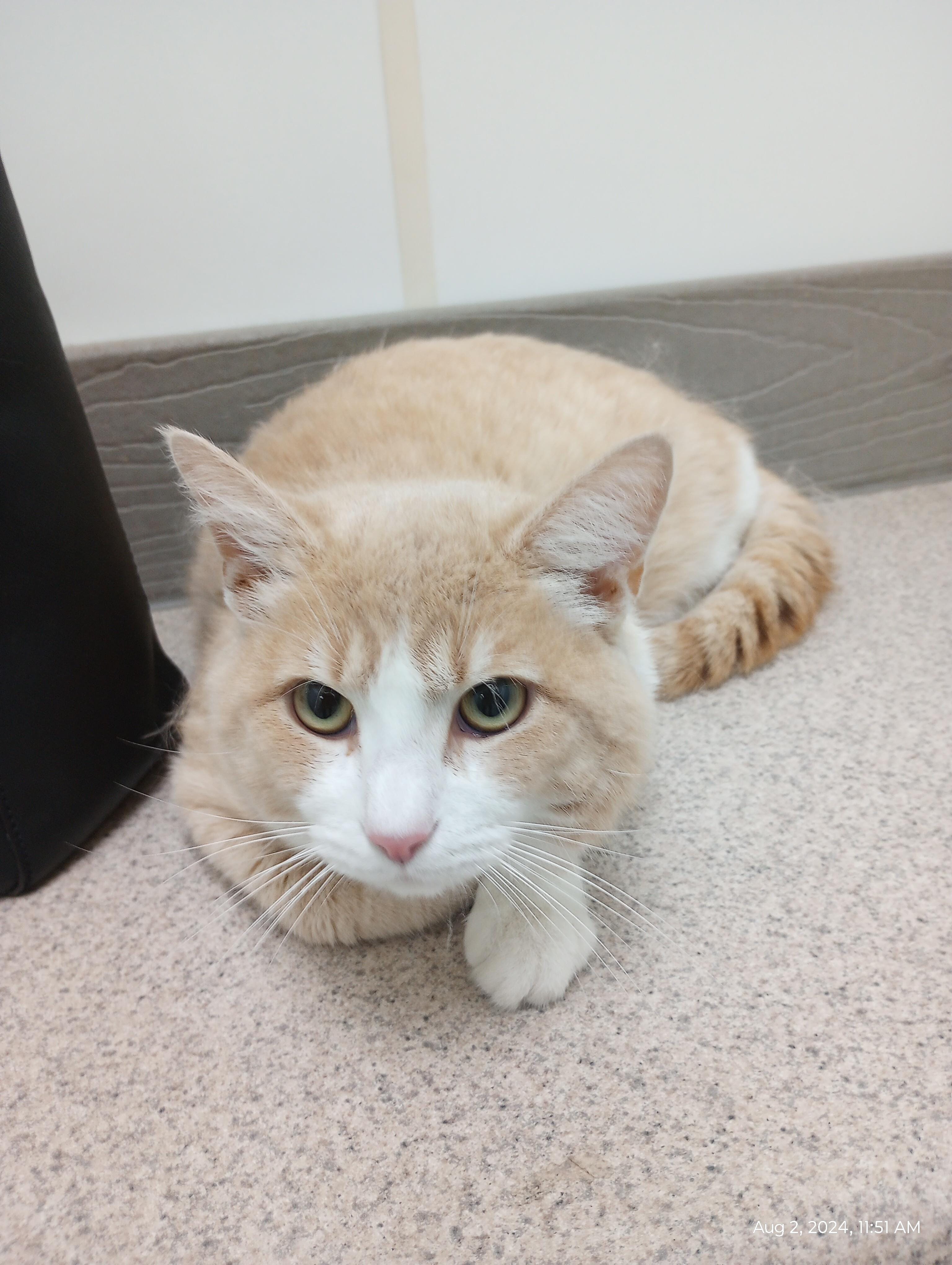
Bringing a new cat or kitten into your home is an exciting experience, but it often comes with a period of adjustment for both you and your new furry companion. Understanding and addressing common behavioral issues is key to building a strong, trusting relationship. This guide offers practical advice for navigating some of the most frequent challenges new cat owners encounter.
Addressing Appetite and Litter Box Issues
It’s not uncommon for a newly adopted cat to experience a temporary loss of appetite or avoid the litter box due to the stress of moving. Providing a safe and comfortable acclimation room is crucial during this transition. Ensure the room is equipped with a large, clean, and easily accessible litter box without a cover, and offer a variety of both wet and dry foods, prioritizing those with strong aromas. Spending quiet time in the room, speaking softly, and offering enticing treats can help your cat build confidence and encourage them to eat again. However, if your new cat goes an extended period without eating, it’s essential to consult your veterinarian promptly.
Understanding and Managing Hiding Behavior
Hiding is a natural response for many cats, especially those who may have experienced anxiety in a shelter or previous home. Allow your cat the space and time they need in their designated safe room. Your presence in the room, engaging in calm activities like reading aloud, and offering high-value food rewards can help them feel secure and gradually emerge from their hiding spots. Patience and consistent positive reinforcement are vital in helping your cat adjust to their new environment.
Redirecting Playful “Attacks”
Kittens and energetic cats may sometimes engage in play that involves pouncing, scratching, or biting your hands and feet. This often stems from a lack of understanding of appropriate play boundaries with humans and pent-up energy. Prioritizing interactive playtime before engaging in petting sessions can be highly beneficial. Look for subtle cues like dilating pupils, tail swishing, or flattened ears, which can indicate a desire to play. Establishing a consistent routine of energetic play and providing ample environmental enrichment can significantly help manage these behaviors.
Recognizing and Responding to Petting-Related Biting
Some cats have a low tolerance for prolonged petting. Initially, focus on petting areas like the face, chin, and cheeks, paying close attention to your cat’s body language. Signs of overstimulation, such as dilated pupils, a tense body, or a sudden stillness, indicate that your cat wants petting to stop. In such instances, redirect their attention with treats, a calming conversation, or an engaging toy. Many cats enjoy being near their owners but may not always want physical contact, so learning to read their cues is essential for a harmonious relationship.
Managing Excessive Vocalization
Vocalization, whether it’s crying all night or during the day while you’re away, can be a sign of stress or a cat’s natural communication style. Allow your cat time to settle into a routine, as this often reduces stress-related vocalizations. Ensure they have plenty of environmental enrichment, regular playtime, and a consistent daily schedule. Keeping their resources like food, water, and litter boxes easily accessible and undisturbed can also help minimize anxiety.
Resolving Litter Box Problems
Litter box issues are a common concern for new adopters and are often easily resolved with the right approach. Your cat’s acclimation room should include a large, low, uncovered litter box with simple clay or clumping litter. Once your cat has access to the entire home, ensure there is at least one accessible, low, large, uncovered litter box on each level. The general rule is one litter box per cat, plus an additional one. Avoid enclosed or automatic litter boxes initially, as your new cat may not be accustomed to them. If accidents occur, evaluate the number, accessibility, and type of litter boxes. Consider if your cat feels fearful or needs more time in their safe space, or if introductions to other pets need to be revisited.
Addressing Scratching Behaviors
Scratching is a natural and necessary behavior for cats, serving to mark territory, shed nail layers, and release energy. Provide a variety of scratching posts with different textures, orientations (horizontal and vertical), and sufficient length for your cat to stretch fully. Place these scratchers in areas where your cat shows interest in scratching. You can encourage use with catnip, treats, or by placing them near favored scratching spots. Deter scratching on furniture by applying double-sided tape or specialized products like Feliscratch. Regular nail trims and environmental enrichment also play a role in managing scratching behaviors.
