
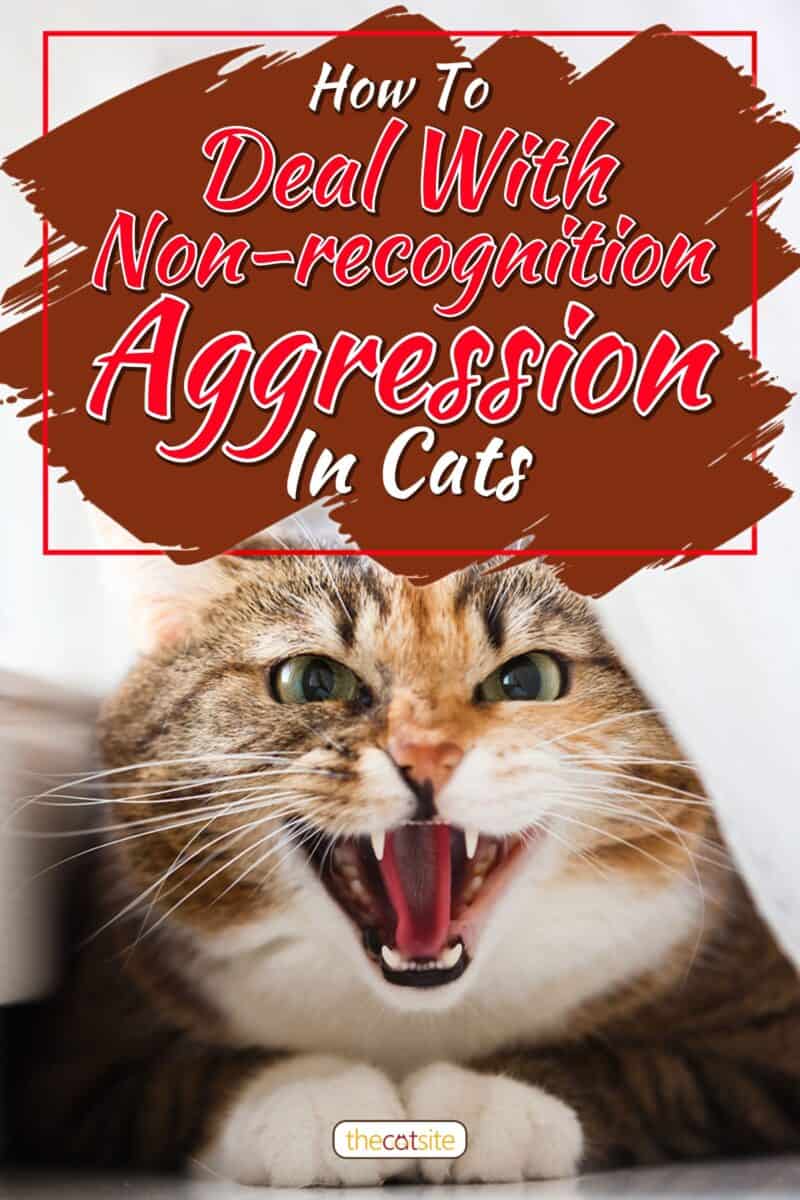
Aggression in cats, characterized by hostile or violent behavior aimed at dominating or intimidating others, is a prevalent behavioral issue that can stem from complex triggers and targets, making its elimination a significant challenge for owners. The consequences can be severe, including injuries to both felines and humans, and in a substantial number of cases, aggression is the reason cats are surrendered to shelters, with one study reporting 27% of surrendered cats relinquished due to this behavior. Therefore, understanding the root causes of aggressive feline behavior is crucial for developing effective intervention strategies.
Recognizing the subtle signs that indicate a cat is fearful or aggressive is the first step in preventing injuries. These cues can be observed in the cat’s facial expressions and body posture. Signs of aggression often include dilated pupils, flattened ears pressed backward against the head, an erect tail with raised hairs, and an arched back. Fear can be indicated by dilated pupils, ears flattened and turned outward, whiskers pressed downward, a tail tucked tightly under the body, and a head held high while in a prone position.
Several general principles apply to managing all forms of feline aggression. Early intervention is key, and physical punishment should always be avoided as it can exacerbate fear and anxiety, potentially worsening the aggression. Medications can be helpful but are most effective when combined with behavioral and environmental modifications. Often, recognizing and startling an aggressive cat without physical contact can be effective. Avoiding known triggers is paramount, and if aggression occurs between cats, they should be separated and slowly reintroduced using positive reinforcement techniques. Food treats serve as excellent positive reinforcers for non-aggressive behaviors. For aggression that cannot be managed with these methods, consulting a veterinary behaviorist is recommended, in close collaboration with your veterinarian.
The initial step in managing an aggressive cat is to rule out any underlying medical conditions. Diseases such as hyperthyroidism, osteoarthritis, dental disease, and central nervous system disorders can manifest as aggressive behavior. Therefore, a veterinary consultation is essential before implementing behavioral or environmental modifications. Once medical issues are excluded, identifying the specific type of aggression is critical for understanding its cause and devising an appropriate intervention plan.
Types of Feline Aggression and Management Strategies
Cats exhibit aggression for various reasons, and understanding the specific type is vital as management approaches differ.
Play Aggression
This is commonly observed in young cats, particularly those not raised with littermates or lacking sufficient playtime. Learning appropriate play behaviors is a crucial part of socialization, typically occurring during interactions with littermates, where kittens learn to moderate their bites and scratches when their playmates retaliate or cease playing. Cats raised in isolation may not develop these essential social cues. Cats exhibiting play aggression often display a thrashing tail, pinned ears, and dilated pupils. They may stalk their target and pounce from a hidden spot.
To manage play aggression, identify patterns in its occurrence and preempt it by distracting the cat with play or restricting access to preferred pouncing spots. A bell on a breakaway collar can help signal the cat’s presence. Using a sudden noise, like compressed air or a hiss, can startle and redirect the cat’s attention without causing fear. Crucially, avoid any physical punishment or even touching the cat during these instances, as it can lead to fear or be misinterpreted as play, inadvertently rewarding the behavior. Walking away and ignoring the cat during aggressive play can teach them that such behavior leads to the cessation of interaction. Toys used for distraction should be kept at a distance from your hands to prevent accidental bites or scratches.
Fear Aggression
This type of aggression arises when a cat encounters unfamiliar stimuli (people, animals, noises) or experiences situations associated with negative events, such as veterinary visits. Signs include flattened ears, hissing, bared teeth, a low crouch with a tucked tail, and raised fur. The most effective approach is to identify and avoid fear-inducing situations. If avoidance is impossible, gradual desensitization, involving brief, distanced exposure to the feared stimulus rewarded with praise and food for non-aggressive behavior, can be attempted. It is vital not to console a fearful cat, as this may be perceived as approval of aggression, nor to show fear yourself, which can reinforce the behavior. Lack of attention is a more effective response to fear aggression.
Petting-Induced Aggression
For reasons not fully understood, some cats may suddenly lash out during petting. This could be due to overstimulation or an attempt to control when the interaction ends. Handling, grooming, bathing, and nail trimming can also trigger this response. Preceding signs often include dilated pupils, tail lashing, and backward-flattened ears. To manage this, avoid uninvited handling and physical restraint. Rewarding brief, light stroking with treats for non-aggressive reactions can be beneficial. Gradually increase petting duration, but cease immediately and initiate a cooling-off period with no contact at any sign of aggression. Close supervision is essential around young children, who may miss the subtle cues of impending aggression.
Redirected Aggression
When a cat is highly stimulated but unable to act on the stimulus directly (e.g., seeing an outdoor cat through a window, hearing loud noises, or having an altercation with another pet), it may redirect its aggression toward a nearby person or animal. Preventing this involves removing or blocking the stimuli, such as by closing blinds or using deterrents.
Pain-Induced Aggression
Cats experiencing pain may become aggressive to avoid touch, movement, or activities that exacerbate their discomfort. For instance, cats with osteoarthritis may react aggressively when their joints are touched. In some cases, aggression may persist even after the painful area has healed, as a learned response. Management involves avoiding contact with painful body parts and working with a veterinarian on pain management.
Status-Induced Aggression
Occasionally, cats may display aggression to establish social dominance. This can manifest as blocking doorways or swatting at other cats. The best strategy is to completely ignore the offending cat. Attention, including play and rewards, should only be given when the cat is relaxed, exhibiting calm body language.
Territorial Aggression
Cats defend their territories and may show aggression towards newly introduced cats, or sometimes other animals and people, that enter their perceived domain. This aggression often involves swatting, chasing, and attacking. When introducing or reintroducing cats, patience is crucial. New or returning cats should be initially confined to a separate room with their own resources. Gradual reintroduction, involving controlled visual and olfactory exposure, coupled with positive reinforcement like feeding, is recommended. This process can take weeks or months. In some cases, medication may be prescribed by a veterinarian to aid the process, but it must accompany behavioral modification. Never place hands between fighting cats; use barriers like baby gates or cardboard panels for separation.
Maternal Aggression
Female cats (queens) nursing kittens may become aggressive towardsApproaching individuals. Providing a quiet, low-stress environment and minimizing visitors is important. Maternal aggression typically subsides as kittens mature.
Inter-Cat Aggression
Aggression between cats, particularly males approaching social maturity (2-4 years), can occur. Neutering or spaying all cats involved is the first step, as hormones play a significant role. If this doesn’t resolve the issue, separation and reintroduction using the territorial aggression protocol may be necessary.
