
Understanding negative reinforcement in dog training is crucial for any pet owner aiming to build a strong, communicative bond with their canine companion. It’s a concept that’s often misunderstood, sometimes confused with punishment, but in reality, it’s a powerful and effective tool when used correctly and ethically. At its core, negative reinforcement involves the removal of an unpleasant stimulus to increase the likelihood of a desired behavior. Think of it less as harsh correction and more as a gentle nudge in the right direction, achieved by taking away something your dog finds mildly aversive. This nuanced approach, when integrated into a comprehensive training plan, can lead to well-behaved dogs who understand cues and enjoy the learning process.
Unpacking Negative Reinforcement: What It Is and What It Isn’t
Let’s clarify what negative reinforcement truly entails. In the realm of operant conditioning, there are two types of reinforcement: positive and negative. Both aim to increase the frequency of a behavior. Positive reinforcement adds something desirable (like a treat or praise) when a dog performs a behavior. Negative reinforcement, on the other hand, works by removing something undesirable. The key here is removal, not addition of something painful or scary.
For instance, imagine teaching your dog to heel. You might apply gentle pressure on the leash, and the moment your dog moves into the correct heel position, you release that pressure. The removal of the leash pressure is the negative reinforcement. The dog learns that moving into the heel position makes the pressure stop, thus making them more likely to repeat that behavior in the future. It’s about teaching the dog what to do to get relief from a mild discomfort. This is fundamentally different from punishment, which decreases the likelihood of a behavior.
The Science Behind the Technique: Operant Conditioning
Negative reinforcement is a cornerstone of operant conditioning, a learning theory developed by B.F. Skinner. This theory posits that behaviors are influenced by their consequences. The four quadrants of operant conditioning are:
- Positive Reinforcement: Adding a desirable stimulus to increase a behavior. (e.g., giving a treat for sitting).
- Negative Reinforcement: Removing an aversive stimulus to increase a behavior. (e.g., releasing leash pressure when the dog heels).
- Positive Punishment: Adding an aversive stimulus to decrease a behavior. (e.g., a harsh verbal correction for jumping).
- Negative Punishment: Removing a desirable stimulus to decrease a behavior. (e.g., ignoring a dog that is demanding attention).
Understanding these distinctions is vital for applying negative reinforcement effectively and humanely. It’s about manipulating the environment by removing something the dog dislikes, thereby encouraging them to offer the behavior that leads to that removal.
Practical Applications of Negative Reinforcement in Dog Training
Negative reinforcement can be applied in various training scenarios. The goal is always to associate the desired behavior with the cessation of a mild discomfort, making the behavior rewarding in itself because it brings relief.
Leash Pressure and Walking Politely
One of the most common applications is teaching a dog to walk nicely on a leash. When a dog pulls, the leash tightens. The moment the dog stops pulling or even takes a step back towards you, the pressure is released. This teaches the dog that slack in the leash is more comfortable than tension. The removal of the uncomfortable pressure reinforces the behavior of walking without pulling. This method encourages the dog to pay attention to your cues and maintain a loose leash, making walks more enjoyable for both of you. For owners struggling with pulling, learning about [how to train a sausage dog] to walk beside them can offer specific techniques that might incorporate this principle.
Teaching Recall
Recall is a critical command, and negative reinforcement can play a role. Imagine calling your dog, and when they start to run towards you, you gently shake a bag of treats or make a slight squeaking noise. The moment they reach you, you stop the noise and give them the treat. The cessation of the mild attention-grabbing noise can be reinforcing. More commonly, however, recall is heavily reliant on positive reinforcement. The anticipation of the reward (treats, praise, a favorite toy) is the primary motivator. If a dog is hesitant, aversive stimuli are generally not recommended for recall training.
Crate Training
When introducing a dog to a crate, the initial discomfort or confinement can be an aversive stimulus. To use negative reinforcement here, you would remove the “door” pressure or confinement aspect as soon as the dog settles down or shows a desired calm behavior. For example, if a dog is anxious in the crate and pawing at the door, you might briefly open the door when they stop pawing, then close it again if they resume. The relief from confinement when they are calm reinforces the idea that being calm in the crate leads to a less aversive experience. However, crate training is overwhelmingly successful with positive reinforcement, making the crate a safe and happy place. For those with specific challenges, understanding [can you kennel train an older dog] might provide context on adapting methods.
Distinguishing Negative Reinforcement from Punishment
It’s crucial to reiterate the difference between negative reinforcement and punishment, particularly positive punishment, as they are often confused.
- Negative Reinforcement: Aims to increase a behavior by removing something unpleasant. The dog learns to perform the behavior to avoid or stop the unpleasant stimulus.
- Positive Punishment: Aims to decrease a behavior by adding something unpleasant. The goal is to make the behavior less likely to occur.
Using harsh physical corrections or intimidating verbal reprimands falls under positive punishment and can have detrimental effects on a dog’s confidence, trust, and overall well-being. It can lead to fear-based aggression and a breakdown in communication. Effective training relies on clear communication and positive associations, with negative reinforcement serving as a subtle tool rather than a primary method.
Ethical Considerations and Best Practices
When employing negative reinforcement, ethical considerations are paramount.
Timing is Everything
The effectiveness of negative reinforcement hinges on impeccable timing. The aversive stimulus must be applied immediately when the undesired behavior occurs (or when the desired behavior is not occurring) and immediately removed the instant the desired behavior begins. A delay in removal teaches the dog nothing or, worse, confuses them.
Intensity Matters
The “aversive” stimulus should be just enough to get the dog’s attention and signal what is needed, but never so intense that it causes fear, pain, or distress. It should be mildly uncomfortable, not terrifying. Overly strong pressure or corrections can easily cross the line into punishment and damage your relationship with your dog.
Combine with Positive Reinforcement
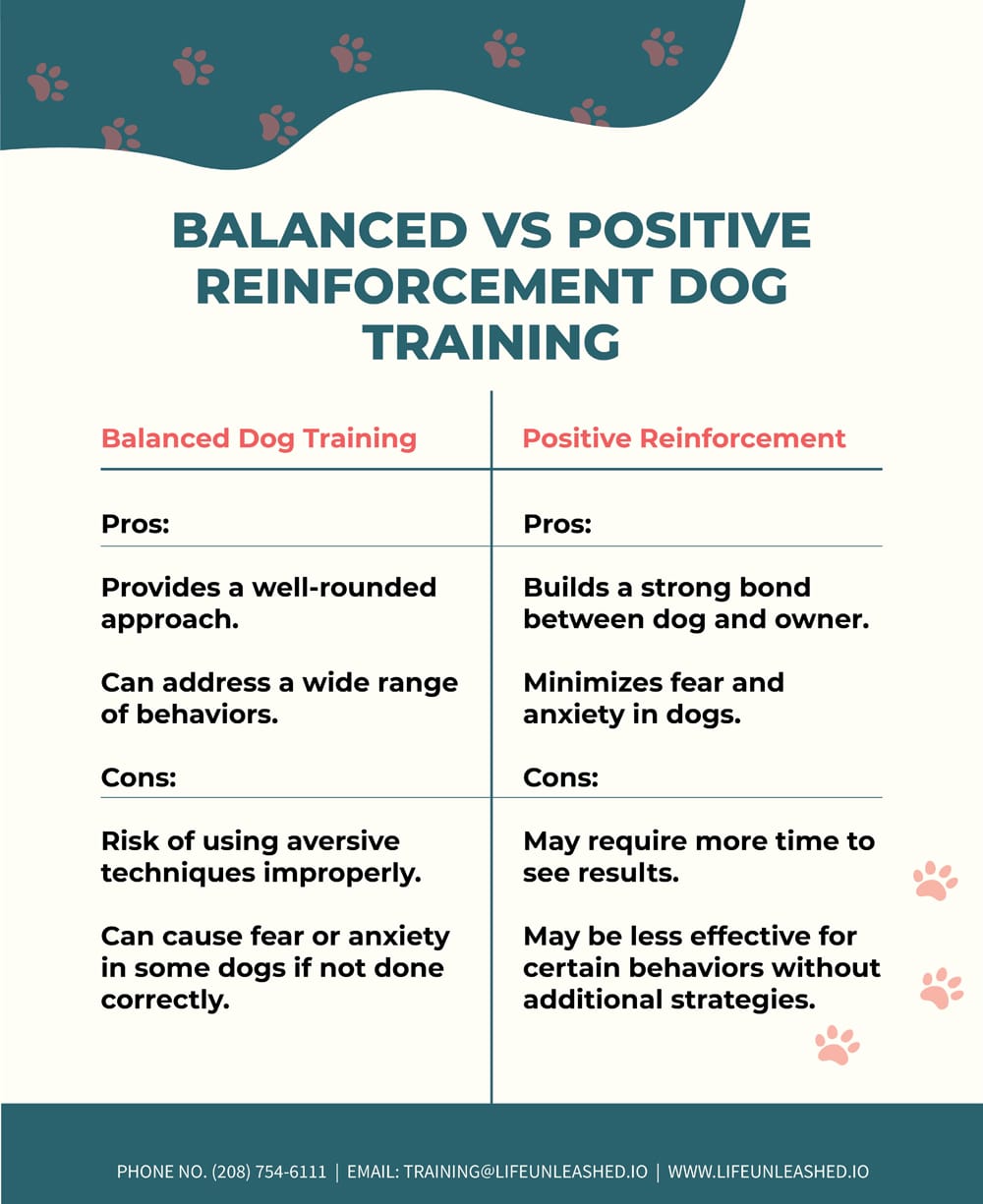
Negative reinforcement is rarely effective on its own. It works best when paired with positive reinforcement. For instance, after releasing leash pressure (negative reinforcement), immediately reward your dog with praise or a treat (positive reinforcement) for maintaining the correct position. This creates a clear, positive association with the desired behavior. Many trainers advocate for a primarily positive reinforcement-based approach, using negative reinforcement sparingly and only when other methods have been thoroughly explored. If you’re facing significant challenges, seeking out [dog obedience training near me brooklyn] or similar services can connect you with professionals who can guide you.
Know Your Dog
Every dog is an individual. What one dog finds mildly uncomfortable, another might find deeply aversive. It’s essential to observe your dog’s body language closely. Signs of stress, fear, or anxiety mean you need to adjust your methods. If your dog is showing signs of aggression, seeking professional help from trainers specializing in [aggressive dog training classes] is vital, and they can help assess the appropriate training strategies.
When to Seek Professional Help
While negative reinforcement can be a useful tool, it’s not always easy to implement correctly. If you’re struggling to see results, if your dog is showing signs of fear or anxiety, or if you’re dealing with complex behavioral issues, it’s always best to consult a certified professional dog trainer or a veterinary behaviorist. They can assess your dog’s specific needs, your training dynamic, and provide a tailored plan. They can also help you understand if negative reinforcement is appropriate for your situation or if other methods would be more beneficial, such as those focused on positive reinforcement or scent work. For specialized activities, finding someone experienced in [dock diving dog training] could mean they have a unique understanding of pressure and release in their training methods.
Conclusion: A Tool, Not a Crutch
Negative reinforcement is a nuanced technique in dog training that involves removing an unpleasant stimulus to increase a desired behavior. When applied ethically, with impeccable timing, appropriate intensity, and in conjunction with positive reinforcement, it can be an effective part of a balanced training repertoire. It’s about clear communication and guiding your dog towards desired actions by making the absence of discomfort rewarding. However, it’s crucial to remember that the goal is always a trusting, happy relationship with your dog, built on mutual understanding and respect. Always prioritize your dog’s well-being and consult professionals when in doubt. Mastering techniques like these can significantly enhance your journey with your canine companion, turning everyday interactions into “Dog Care Story” moments.
