
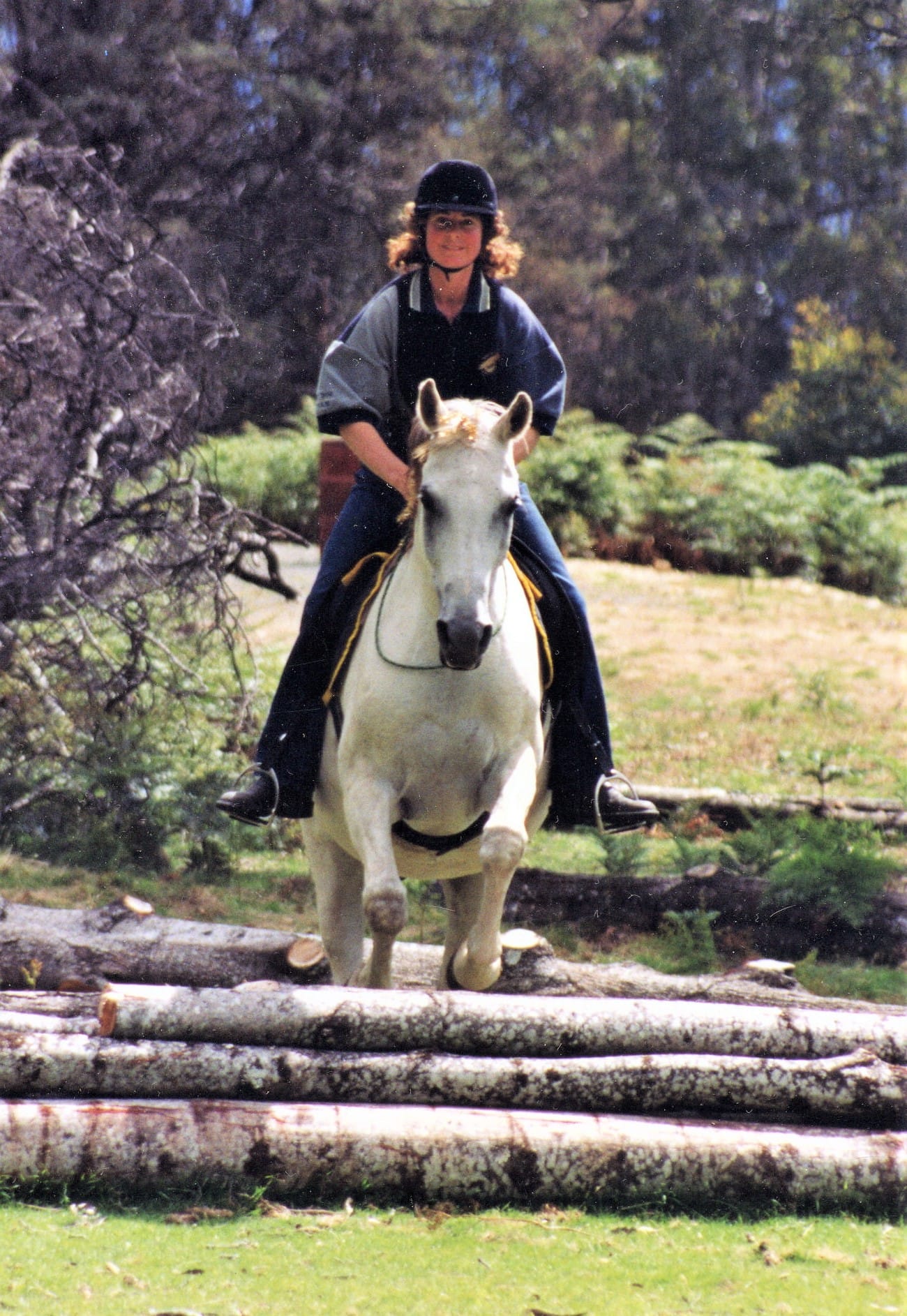
The journey of training a horse is a deeply rewarding experience, built on a foundation of trust, communication, and understanding. Among the various methods that foster this unique bond, Neck Rope Horse Training stands out as a powerful approach to natural horsemanship. This technique emphasizes riding and guiding your horse using a rope that encircles its neck, promoting a more intuitive and responsive partnership. It’s a method that harks back to the roots of working with horses, encouraging a lighter touch and a deeper connection than traditional methods might allow.
As you delve into the world of neck rope training, you’ll discover a pathway to a more harmonious relationship with your equine partner. This isn’t just about control; it’s about developing a silent language between you and your horse, where subtle cues are understood and responded to with willing cooperation. It’s a testament to the power of clear communication and the incredible intelligence of horses when we approach them with patience and respect. Whether you’re a seasoned rider or just beginning your journey, neck rope training offers a unique perspective that can enhance your horsemanship skills and deepen your bond with your horse.
Understanding the Core Principles of Neck Rope Training
At its heart, neck rope horse training is about shifting the primary communication from the reins to the neck and body. Instead of relying on the bit and bridle for commands, the rider uses cues from the neck rope, seat, and legs. This encourages the horse to become more sensitive to the rider’s weight shifts and subtle body language, fostering a more natural and responsive connection. The goal is to develop a horse that moves willingly with the rider, understanding their intentions through gentle guidance rather than forceful commands. This approach aligns with the principles of how to train a green broke horse, focusing on building a strong foundation of trust and responsiveness.
The philosophy behind neck roping is rooted in the idea that horses are most receptive when they feel understood and respected. By removing the often restrictive and sometimes uncomfortable equipment like bits and reins, we allow the horse to respond more freely. This doesn’t mean a lack of control; it means a different kind of control – one that is earned through mutual respect and clear communication. It’s a journey that requires patience, consistency, and a deep understanding of equine behavior, allowing riders to build a partnership based on trust rather than dominance.
The History and Evolution of Neck Rope Riding
While neck rope training might seem like a modern innovation, its roots run deep in the history of horsemanship. For centuries, cowboys, ranchers, and indigenous horsemen have utilized simpler methods of communication with their horses, often relying on neck ropes or even just their legs and seat. These traditional approaches emphasized a close connection with the animal, born out of necessity and a profound understanding of equine nature. The development of more complex tack, while having its place, sometimes led to a disconnect between rider and horse, a gap that neck rope training seeks to bridge.
This method has seen a resurgence in popularity with the rise of natural horsemanship movements, which advocate for training techniques that are more humane and effective in the long term. It’s a way to reconnect with the timeless wisdom of working with horses, stripping away unnecessary complexity to focus on the essential elements of communication and partnership. The effectiveness of these historical methods is a testament to the power of understanding and working with a horse’s natural instincts, rather than against them.
Getting Started with Neck Rope Horse Training
Embarking on neck rope training requires preparation and a gradual approach. It’s crucial to ensure your horse is already comfortable with basic handling and has a solid foundation in horse training reins and groundwork. Introducing the neck rope should be done slowly, allowing the horse to acclimate to the feel of the rope around its neck. This might involve simply letting the horse wear it for short periods during turnout or while grooming, associating the rope with positive experiences.
Once the horse is comfortable with the neck rope, you can begin introducing riding cues. Start in a controlled environment, like a round pen or arena, where distractions are minimal. Initially, use the neck rope for gentle guidance, applying light pressure to steer and slow down. Focus on rewarding any responsive movements with praise and release. This stage is about building the horse’s understanding and willingness to respond to these new cues, reinforcing the idea that cooperation leads to comfort and positive reinforcement.
Essential Equipment for Neck Roping
The primary piece of equipment, of course, is the neck rope itself. These are typically made of soft, yet durable material like cotton or nylon rope, designed to be comfortable for the horse. The diameter of the rope is important; too thin and it might cut into the horse’s neck, too thick and it may be difficult to handle. A common diameter is around 1/2 inch to 3/4 inch. Many riders also choose to use a lead rope attached to the neck rope for added control during the initial training phases, though the ultimate goal is to ride with only the neck rope.
Beyond the neck rope, a well-fitting halter or even a special neck rope halter can be beneficial for groundwork and initial introduction. Ensuring the horse is comfortable and safe is paramount, so checking for any potential rubs or discomfort caused by the equipment is essential. Remember, the aim is to enhance communication, not to cause distress. This foundational step is as critical as any specific training maneuver.
Step-by-Step Introduction to Riding with a Neck Rope
- Acclimation: Begin by placing the neck rope loosely around the horse’s neck during grooming or groundwork. Let the horse get used to the sensation. Praise and reward calm acceptance.
- Adding the Lead Rope: Once the horse is comfortable, you can attach a lead rope to the neck rope. Practice leading your horse, using the lead rope for guidance while keeping it as light as possible.
- Introducing Mounting Cues: With the horse wearing the neck rope and having the lead rope loosely in hand, practice mounting. As you swing your leg over, use gentle pressure on the neck rope to encourage the horse to stand still.
- First Rides: In a safe, enclosed area, begin with short rides. Use the neck rope to ask for direction and speed changes. Apply gentle pressure to one side of the neck for a turn, and ease the pressure as the horse responds. To slow down, gather the neck rope gently.
- Increasing Responsiveness: Gradually decrease reliance on the lead rope, eventually holding only the neck rope. Continue practicing, always rewarding willing responses. Your goal is to have the horse move forward, stop, and turn with subtle cues from the neck rope, your seat, and your legs.
- Advanced Cues: As the horse becomes more proficient, you can introduce more nuanced cues. For example, a slight lift of the neck rope on one side might signal a turn, while a gentle squeeze might encourage forward movement.
Advanced Techniques and Considerations
As you and your horse progress, you might explore more advanced techniques. This could include implementing neck roping in different environments, such as trails or open fields, always ensuring safety and preparedness. Advanced riders might even transition to riding without any lead rope, relying solely on the neck rope and their body cues. This level of communication is a testament to a deeply established partnership and trust. It’s important to remember that such advanced stages require significant time, patience, and a solid understanding of your horse’s individual learning pace. For those interested in specific breeds, techniques like gypsy horse training can offer insights into adapting methods for different temperaments and physical builds.
It’s also vital to acknowledge that not all horses may be suited for or comfortable with neck rope riding, especially those with a history of abuse in horse racing or those who are highly sensitive. Always be attuned to your horse’s body language and be prepared to revert to gentler methods or seek professional guidance if your horse shows signs of stress or fear. The ultimate aim is a willing and happy partner, not a horse that is forced into submission.
When to Seek Professional Guidance
While neck rope training can be a rewarding solo journey, there are times when seeking professional help is advisable. If you encounter persistent resistance from your horse, significant fear or anxiety, or if you’re unsure about how to progress, a qualified natural horsemanship trainer can provide invaluable assistance. They can assess your and your horse’s progress, identify underlying issues, and offer tailored advice and techniques. Many trainers also offer horse training videos youtube resources that can supplement in-person instruction. Don’t hesitate to reach out to an expert to ensure you and your horse are on the safest and most effective path to success.
The Benefits of Neck Rope Horse Training
The advantages of neck rope training extend far beyond simply learning a new riding technique. It fosters a profound level of trust and communication between horse and rider, creating a partnership built on mutual respect and understanding. Horses trained this way often become more sensitive, responsive, and willing, responding to the lightest cues. This method can also help riders develop a more balanced seat and a better feel for their horse’s movement, enhancing overall riding skills. It’s a journey that cultivates patience, empathy, and a deeper appreciation for the intelligence and spirit of the horse.
Ultimately, neck rope horse training is more than just a method; it’s a philosophy that encourages a holistic approach to horsemanship. It’s about building a relationship that is as strong and reliable as the bond between a rider and their perfectly trained mount. The skills and understanding gained through this practice can translate into every aspect of your interaction with horses, leading to safer, more enjoyable, and more fulfilling experiences for both you and your equine companion.
