
The horse is more than just an animal; it is a living, breathing testament to the power of evolution and a symbol of a partnership that reshaped human history. For millennia, these magnificent creatures have been our companions in work, warfare, and exploration, galloping through our cultures and our hearts. The epic documentary series, Nature Equus The Story Of The Horse, masterfully unpacks this incredible journey, revealing the science and soul behind one of the most successful species on the planet. This series isn’t just a documentary; it’s an adventure across continents and through the depths of time, showing us exactly how the horse became an indispensable ally to humankind. This exploration feels connected to the broader narrative of animal history, much like the compelling tale found in equus the story of the horse.
The Epic Evolutionary Saga of the Horse
Before the thundering hooves we know today, the ancestor of the horse was a small, timid creature dwelling in the dense forests of North America. “Nature Equus: The Story of the Horse” begins here, about 55 million years ago, with an animal no bigger than a fox, known as Eohippus. This section of the documentary is a breathtaking look at the relentless pressures of a changing world that forged the modern horse.
The series beautifully illustrates how climate change played a pivotal role. As forests receded and vast grasslands emerged, the horse’s ancestors faced a new set of challenges. Survival no longer depended on hiding but on speed and endurance. This environmental shift triggered a series of remarkable evolutionary adaptations.
From Forest Dweller to Plains Runner
The transformation from a multi-toed forest creature to a single-hoofed sprinter is one of evolution’s most compelling stories. The documentary uses stunning CGI and fossil evidence to show this gradual change.
- Loss of Toes: The multi-toed feet of Eohippus, perfect for navigating the soft forest floor, merged over millions of years into a single, powerful hoof. This adaptation was crucial for generating explosive speed and withstanding the impact of running on hard-packed earth.
- Growth in Size: To outrun predators like saber-toothed cats, horses grew larger and more powerful. Their legs lengthened, their muscles grew stronger, and their frame became more robust.
- Dental Development: The shift from a diet of soft leaves to abrasive grasses demanded a change in teeth. Horses developed high-crowned, ridged molars that could continuously grow and withstand the wear and tear of grinding tough silica-rich grasses.
This incredible journey of adaptation highlights the horse’s resilience. It’s a story of survival against the odds, a narrative that echoes in other animal histories, such as the fascinating horse and deer story.
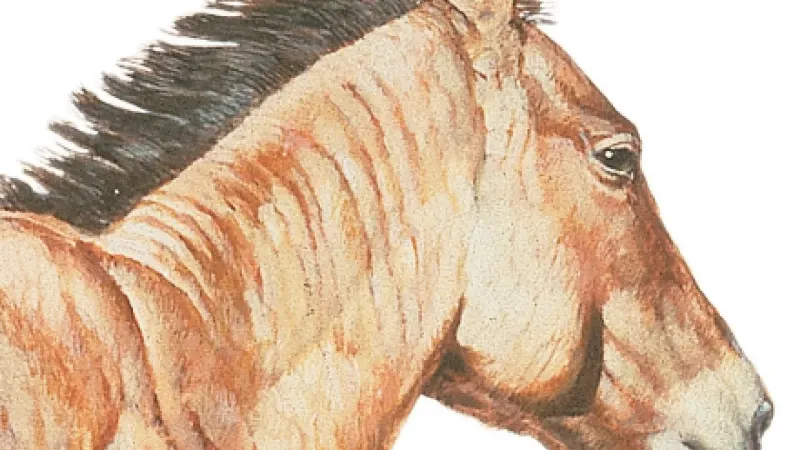 An artistic rendering from the documentary Nature Equus The Story of the Horse, showing the evolutionary line from the small Eohippus to the modern horse.
A Partnership That Redefined Civilization
While the evolution of the horse is a story of nature’s power, the second act, as detailed in Nature Equus The Story of the Horse, is about a revolutionary partnership. Around 6,000 years ago, on the vast steppes of Central Asia, humans first tamed the wild horse. This single event fundamentally altered the course of human history, providing a source of speed and power that was previously unimaginable.
Dr. Eleanor Vance, a leading paleoanthropologist, states:
“The domestication of the horse was not an event; it was a process. It required immense bravery, empathy, and a deep understanding of animal behavior. Once that bond was forged, humanity was effectively given wings. We could travel further, trade more widely, and command the battlefield in a way that was impossible before.”
The documentary explores this co-evolutionary journey, showing how humans and horses shaped each other’s destinies. We didn’t just tame horses; we entered into a symbiotic relationship that benefited both species. Horses gained protection, a reliable food source, and expanded their habitat across the globe. Humans gained a partner that helped build empires.
The Horse in Work, War, and Discovery
The impact of the horse on human civilization is almost immeasurable. The series dedicates significant time to showcasing how this partnership played out across different cultures.
- Building Empires: From the Mongol hordes sweeping across Asia to the knights of medieval Europe, the horse was the ultimate military machine. It provided the speed and shock value that built and toppled empires.
- Fueling Economies: Before the steam engine, the horse was the primary engine of agriculture and industry. It plowed fields, transported goods, and powered mills, laying the groundwork for modern economies. This history of animal partnership is a recurring theme, similar to what you might explore in equus the story of the horse.
- Expanding Horizons: The age of exploration was powered by the horse. It carried pioneers across continents, connected distant communities, and made the world feel both larger and smaller at the same time. The tale of human and animal interaction has many forms, some even mythical, like the king with horse’s ears story.
A Deeper Look into the Documentary’s Episodes
“Nature Equus: The Story of the Horse” is typically presented in two powerful episodes, each focusing on a distinct chapter of this grand narrative. Understanding the structure helps appreciate the depth of the storytelling. For those who want a complete viewing experience, finding where to watch equus story of the horse episodes is the first step.
Episode 1: Origins
The first episode is a deep dive into the evolutionary journey. It transports the viewer back in time to the primeval forests where Eohippus roamed. Using cutting-edge science and CGI, it reconstructs the prehistoric world and the evolutionary pressures that shaped the horse. This episode focuses heavily on the anatomy of survival—how the horse’s unique respiratory system, powerful legs, and specialized digestive tract make it one of nature’s most perfect athletes. It’s a masterful piece of scientific storytelling that lays the foundation for everything to come.
Episode 2: Chasing the Wind
The second episode shifts focus to the human-horse relationship. It begins with the first tentative steps towards domestication and blossoms into a global story of partnership. The film travels the world, from the icy plains of Siberia, where the Yakut people depend on their hardy horses, to the scorching deserts of the Middle East, home of the elegant Arabian. This episode highlights the incredible diversity of horse breeds and the unique ways different cultures have integrated them into their societies. It is a celebration of the profound emotional and spiritual bond that exists between humans and horses.
Why This Series is Essential Viewing
Nature Equus The Story of the Horse is more than just a nature documentary. It is an essential story about our own history and our relationship with the natural world. It reminds us that our civilization was built on the back of this incredible animal.
The series is a visual masterpiece, combining stunning wildlife cinematography with scientifically accurate animations. The narrative, guided by experts and scientists, is both educational and deeply moving. It provides a comprehensive answer to the question of how the horse became what it is today and, in doing so, holds up a mirror to our own journey as a species. It’s a powerful reminder of a bond forged in the crucible of survival that continues to endure.
Frequently Asked Questions (FAQ)
What is “Nature Equus: The Story of the Horse”?
It is a documentary series produced by PBS as part of its “Nature” programming. It explores the complete story of the horse, from its prehistoric origins and evolution to its profound partnership with humanity that changed the course of civilization.
Who is the host of the series?
The series is narrated by anthropologist Dr. Niobe Thompson, who also serves as the host, guiding viewers across the globe to uncover the horse’s story. His personal journey and expertise add a compelling layer to the documentary.
How did the horse’s ancestors differ from modern horses?
The earliest known ancestor, Eohippus, was a small, fox-sized creature with multiple toes on each foot that lived in forests about 55 million years ago. Modern horses are much larger, single-hoofed animals adapted for running on open grasslands.
Where were horses first domesticated?
The series presents evidence that horses were first domesticated around 6,000 years ago by people of the Botai culture in the area that is now modern-day Kazakhstan. This revolutionary step kickstarted the human-horse partnership.
What are some key adaptations of the horse discussed in the show?
The documentary highlights several key adaptations, including the development of a single hoof for speed, high-crowned teeth for grazing on tough grasses, a highly efficient respiratory system, and a powerful fight-or-flight instinct.
Is the series scientifically accurate?
Yes, Nature Equus The Story of the Horse is renowned for its scientific accuracy. It is based on the latest paleontological, archaeological, and genetic research, featuring interviews with leading experts in the field to ensure the information is up-to-date and reliable.
