
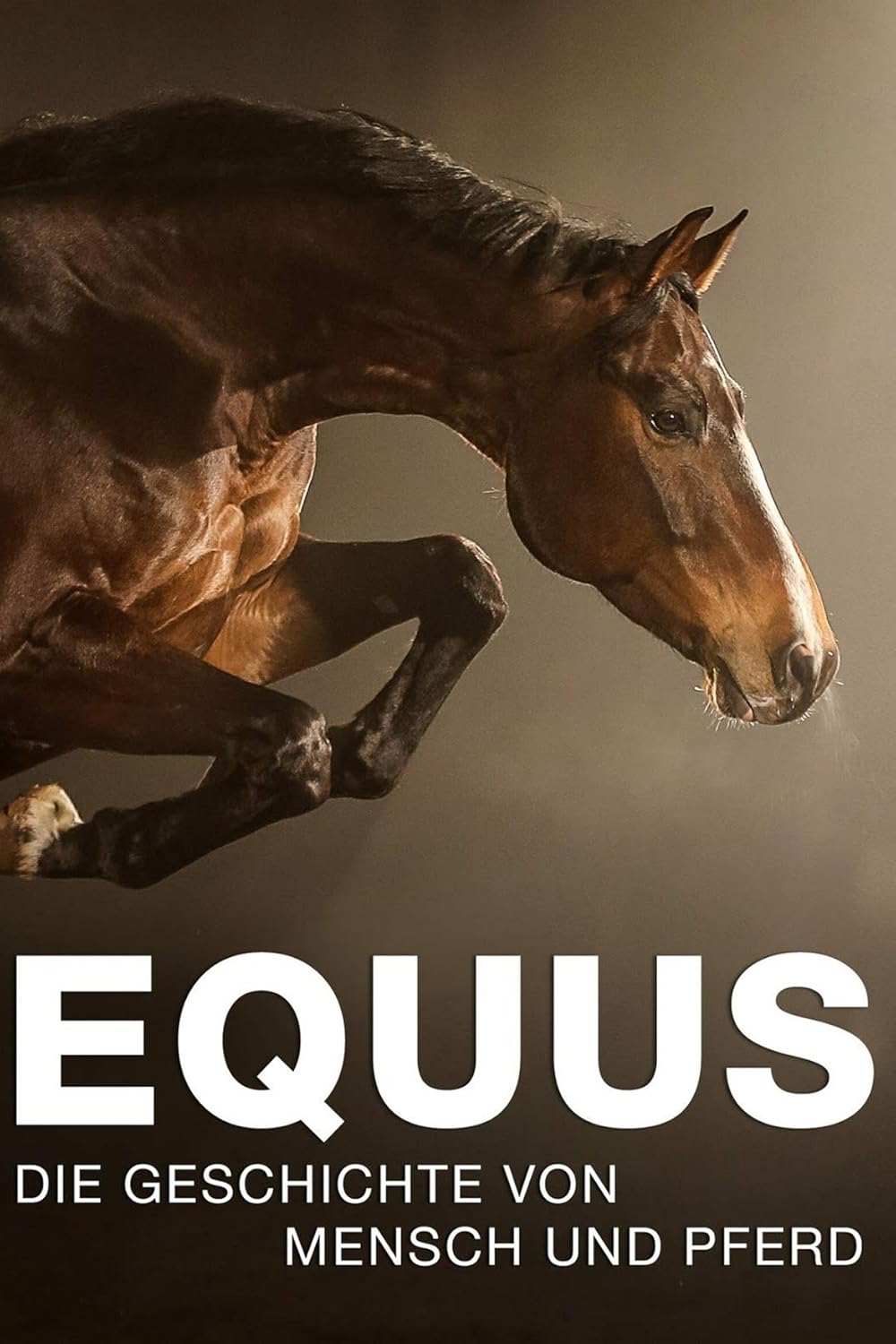
The horse, an animal of profound historical and cultural significance, has galloped through human civilization, leaving an indelible mark on our societies, economies, and even our very identities. The “Equus: Story of the Horse” delves into this rich tapestry, exploring the multifaceted relationship between humans and these magnificent creatures. From their domestication and evolution to their roles in warfare, agriculture, sport, and companionship, the story of the horse is intrinsically woven into the narrative of human progress. Understanding this bond offers a unique lens through which to view our own past and present.
The Genesis of a Partnership: Domestication and Early Roles
The journey of the horse from wild herds to loyal companions began thousands of years ago. Archaeological evidence suggests domestication likely occurred on the Eurasian steppes, where early humans recognized the potential of these powerful animals. Initially, horses may have been hunted for meat, but their trainability and strength soon led to their use for riding and traction. This pivotal moment in history, the domestication of the horse, fundamentally altered human capabilities. The ability to travel greater distances and transport heavier loads with speed and efficiency opened up new possibilities for trade, exploration, and communication.
The impact of the horse on early warfare cannot be overstated. Mounted warriors and cavalry units revolutionized combat, granting significant advantages in speed, maneuverability, and shock tactics. Empires rose and fell, often with the horse playing a crucial role in their conquests and expansions. Beyond the battlefield, horses became indispensable to agriculture. Plowing fields, pulling carts, and transporting harvests significantly increased food production, supporting growing populations and fostering the development of settled civilizations. The ancient world’s infrastructure, from roads to trade routes, was heavily influenced by the needs of horse-drawn transport.
Diverse Breeds: A Spectrum of Form and Function
Over centuries of selective breeding, humans have developed an astonishing array of horse breeds, each with unique characteristics suited to specific tasks and environments. This diversity is a testament to the adaptability of the horse and the ingenuity of human selection.
Athletic Powerhouses: Racing and Performance Breeds
Breeds like the Thoroughbred and the Arabian are renowned for their speed, stamina, and athleticism, making them ideal for racing and endurance disciplines. The Thoroughbred, with its emphasis on speed and spirit, has shaped the modern racing industry. Arabians, on the other hand, are known for their endurance, intelligence, and striking beauty, excelling in endurance rides and as all-around versatile horses. These breeds represent the pinnacle of equine athleticism, honed over generations for peak performance.
Gentle Giants: Draft and Work Horses
In contrast, draft breeds such as the Shire, Clydesdale, and Belgian are bred for immense strength and a calm temperament. These gentle giants were historically crucial for heavy labor, pulling plows, logging timber, and hauling heavy loads. Their sheer power and steady disposition made them the workhorses of agriculture and industry before the advent of mechanization. Today, they are still valued for heavy farm work, logging, and increasingly, for therapeutic riding programs due to their calm and steady nature.
Versatile Companions: All-Arounder Breeds
Many breeds, like the Quarter Horse and the Morgan, are celebrated for their versatility. The American Quarter Horse, known for its speed over short distances and its calm demeanor, is a staple in Western riding disciplines, ranch work, and as a family pleasure horse. The Morgan, one of America’s oldest breeds, is admired for its spirited temperament, strength, and willingness to perform in various disciplines, from harness to under saddle. These breeds embody the ideal of a multi-talented equine partner.
Care and Connection: Nurturing the Human-Equine Bond
Owning and caring for a horse is a significant commitment, requiring knowledge, dedication, and a deep understanding of their needs. The bond that forms between a human and a horse is often profound, built on mutual trust, respect, and consistent care. The story of the horse is as much about human connection as it is about the animal itself.
Understanding Equine Needs: Diet, Shelter, and Health
Providing proper nutrition is fundamental to a horse’s well-being. Their diet typically consists of forage (hay and grass) supplemented with grains or specialized feeds depending on their activity level, age, and health status. Clean, fresh water must always be accessible. Shelter is also crucial, offering protection from extreme weather conditions, whether it be a sturdy barn or a three-sided run-in shed. Regular veterinary care, including vaccinations, deworming, and dental check-ups, is essential for preventing and managing health issues.
Training and Communication: Building Trust
Effective training relies on clear communication and positive reinforcement. Horses are prey animals, and their training must take into account their natural instincts. Understanding equine body language is key to building a strong partnership. Subtle cues like ear position, tail swishes, and overall posture can convey a great deal about a horse’s mood and intentions. Training methods that focus on patience, consistency, and rewarding desired behaviors are most effective in developing a willing and trustworthy equine partner.
The Emotional Reward: Companionship and Well-being
Beyond their practical uses, horses offer immense emotional benefits. The simple act of grooming a horse can be a therapeutic experience, reducing stress and fostering a sense of calm. For many, horses are confidantes and companions, offering unconditional acceptance and a unique form of emotional support. The shared experiences, whether riding on a trail or working in an arena, create lasting memories and strengthen the human-equine bond. This connection enriches the lives of both the human and the horse, highlighting the deep, enduring nature of their relationship.
The Horse in Modern Society: Evolving Roles
While mechanization has replaced horses in many traditional roles, their significance in contemporary society remains profound, albeit in different capacities. The “Equus: Story of the Horse” recognizes that the horse’s journey is ongoing, adapting to the modern world.
Equestrian Sports and Recreation
Equestrian sports are a thriving global industry, encompassing disciplines from show jumping and dressage to rodeo and polo. These sports not only showcase the athleticism and training of horses but also provide opportunities for human athletes to compete and connect with their equine partners. Recreational riding, from leisurely trail rides to more adventurous treks, remains a popular pastime for millions, offering a way to enjoy the outdoors and connect with nature.
Therapy and Equine-Assisted Activities
Equine-assisted activities and therapies have gained widespread recognition for their positive impact on physical and mental health. Programs utilizing horses help individuals with a wide range of challenges, including physical disabilities, emotional trauma, and developmental disorders. The interaction with horses can improve balance, coordination, confidence, and emotional regulation, demonstrating the horse’s unique therapeutic value. The gentle, non-judgmental presence of a horse can be profoundly healing.
Conservation and Heritage
As the world evolves, there is a growing appreciation for preserving the heritage of horse breeds and their historical significance. Many organizations are dedicated to protecting rare or endangered breeds, ensuring that these living links to our past are not lost. The story of the horse continues to be written, with each generation discovering new ways to appreciate, partner with, and be inspired by these remarkable animals. The legacy of Equus endures, a powerful reminder of a partnership that has shaped history and continues to enrich our lives.
