
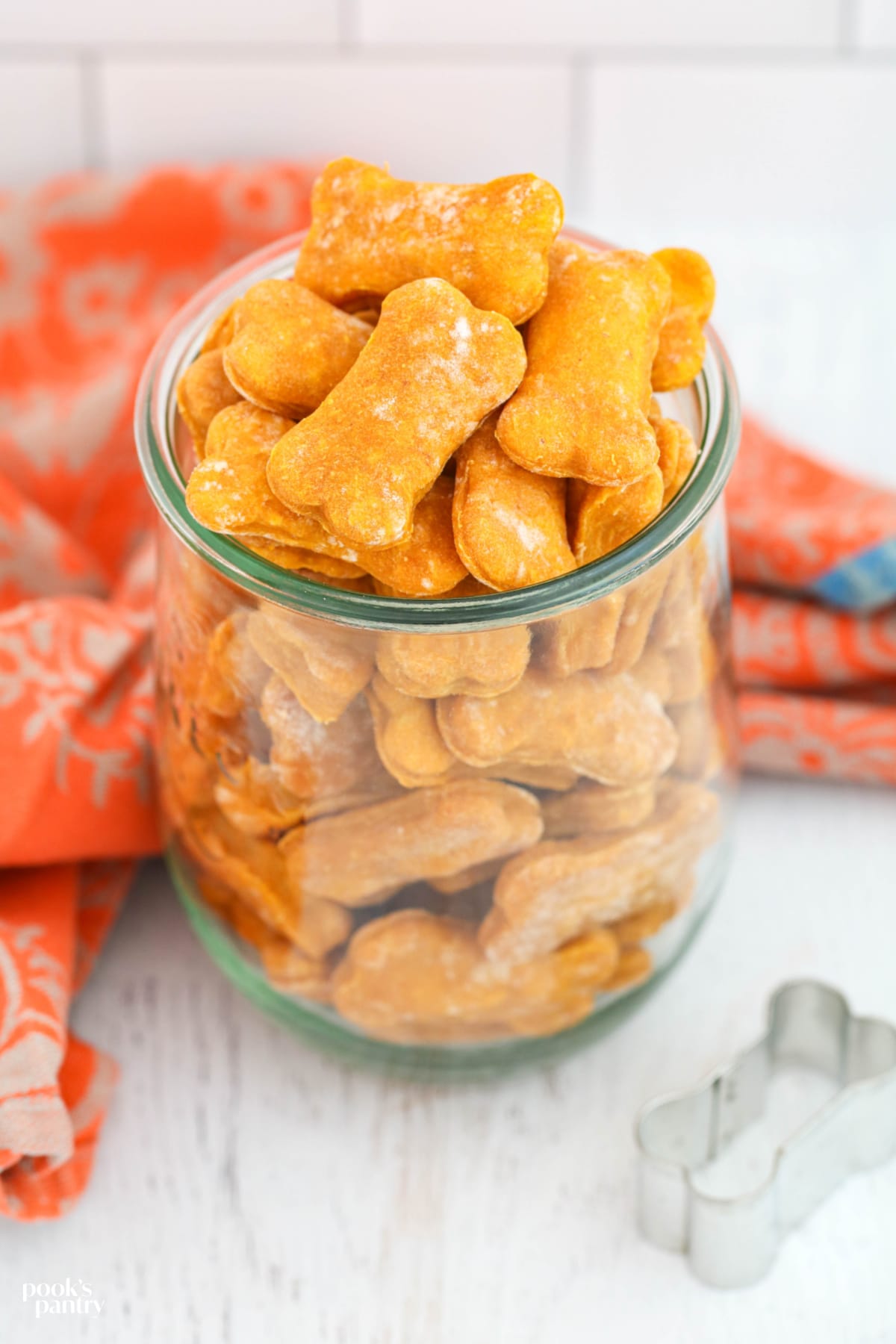
Welcoming a furry friend into your home means a commitment to their health and happiness. While commercially produced dog treats are readily available, you might be surprised to discover that many nutritious and safe options are already in your kitchen. These natural alternatives not only save you a trip to the pet store but are often lower in calories and packed with beneficial nutrients. This approach can be particularly helpful for managing your dog’s weight and overall well-being. If you’re looking to supplement your dog’s diet with healthy rewards, consider incorporating some of these readily available fruits and vegetables. For those seeking to understand more about managing your dog’s intake, exploring resources on managing a healthy weight for long-term health overall can provide valuable insights.
Medical Considerations for Dog Treats
Before introducing any new food item as a treat, it’s crucial to consider your dog’s specific health needs.
For dogs with diabetes, it’s vital to avoid high-glycemic treats, which include most commercial biscuits and fruits with high sugar content. If your dog is diabetic and you wish to alter their treat routine, always consult with your veterinarian first to establish a safe and effective plan.
Additionally, be mindful of any significant changes in your dog’s overall calorie intake. Obesity is a major contributing factor to developing diabetes, and managing weight is essential for long-term health. Sudden increases in treats, even healthy ones, can lead to unwanted weight gain.
Finally, while dogs are omnivores, a rapid increase in dietary fiber can sometimes lead to digestive discomfort, such as gas or diarrhea. Fiber is generally beneficial for gut health, but like humans, a sudden high intake can cause temporary issues. It’s always best to introduce new fibrous foods gradually.
Here are some of our favorite simple, natural dog treats that you can easily incorporate into your routine:
Fruits and Vegetables Safe for Dogs
Apples
Apples are a nutritious source of fiber and vitamins for dogs. However, it’s crucial to remove the core and seeds before giving them to your dog, as they contain small amounts of cyanide. A whole apple can also be a choking hazard for smaller dogs, so cutting them into manageable pieces is recommended.
Green Peas
Whether fresh or frozen, green peas are a delightful and healthy treat that most dogs adore. They can be given as individual training rewards or mixed into your dog’s regular food bowl for added flavor and nutrients.
Carrots
Carrots are packed with beta-carotene, which is converted to Vitamin A in the body, supporting vision and skin health. They are also a good source of fiber. Cut them into bite-sized pieces to prevent choking, especially for dogs that tend to swallow their food quickly. For owners concerned about out of dog food what can I feed him, carrots offer a readily available and healthy alternative.
Green Beans
Plain, unseasoned green beans, whether raw, steamed, or boiled, are an excellent source of vitamins, minerals, and fiber. They are a low-calorie treat perfect for dogs of all sizes and can contribute to a healthy digestive system.
Watermelon
A refreshing and hydrating treat, watermelon is a favorite among many dogs during warmer months. Ensure you remove all seeds and the tough rind before offering it. The high water content makes it a great way to keep your dog hydrated.
Cooked Sweet Potatoes
Cooked sweet potatoes are a nutritional powerhouse, offering vitamins A, C, and B6, as well as fiber. It’s important to serve them cooked and plain, as raw potatoes can be difficult to digest and may contain toxic compounds. Roasting a batch and storing them in the refrigerator makes them a convenient treat throughout the week.
Bananas
Bananas are rich in potassium, vitamin B6, and vitamin C, and most dogs find their sweet taste appealing. However, due to their high sugar content, bananas should be given in moderation as an occasional treat.
Broccoli
Broccoli, a cruciferous vegetable, offers numerous health benefits, including vitamins C and K, and fiber. Small, plain pieces (raw, steamed, or roasted) can be given as a treat. While dogs can digest both raw and cooked broccoli, cooked may be easier on their digestive system.
Cooked Squash
Various types of cooked squash, including butternut, yellow squash, and zucchini, make excellent, Natural Treats for dogs. Always remove the seeds and, in the case of butternut squash, the rind. Pumpkin, a type of squash, is also beneficial for digestive health.
Strawberries
These sweet berries are packed with vitamin C and fiber. Like bananas, strawberries contain natural sugars, so they should be offered in moderation. They make a delightful, healthy reward for your canine companion.
Blueberries
Blueberries are tiny antioxidant powerhouses, providing vitamins C and K, along with manganese. They are a perfect, mess-free treat that dogs often enjoy.
Important Considerations for New Treats
When introducing any new food to your dog’s diet, it’s always best to start with small portions. Observe your dog for any signs of gastrointestinal upset, such as vomiting or diarrhea. Some foods are safe to be fed raw, while others, like potatoes and sweet potatoes, are best served cooked. Always remember to hold the salt and avoid seasonings when preparing treats for your dog. For a deeper understanding of what human foods are safe, consider resources on what human food can a 2 month old puppy eat.
It’s also crucial to be aware of common kitchen items that can be toxic to dogs. Educating yourself on these dangers can prevent accidental poisoning and ensure your pet’s safety. If you’re ever unsure about a food item, it’s always best to err on the side of caution and consult your veterinarian.
