
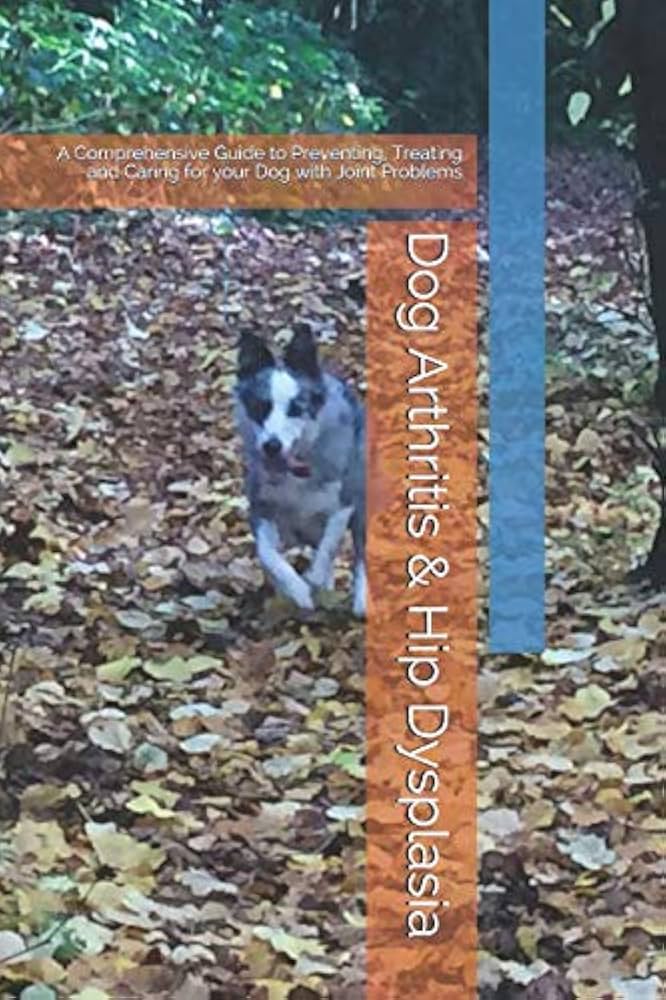
Arthritis, particularly osteoarthritis, is a prevalent condition in dogs, often stemming from injuries, developmental issues, or the natural wear and tear of aging. This painful joint ailment is characterized by abnormal changes within a dog’s joints, leading to chronic inflammation. Dogs with arthritis can experience anything from mild discomfort to severe pain, and as the condition typically worsens over time, prompt treatment is crucial for pet parents.
While veterinarians often recommend prescription pain relief and arthritis management medications, sometimes alongside dietary adjustments, alternative natural treatments can offer a gentler approach to managing arthritis pain in dogs.
Recognizing Arthritis in Your Dog
The manifestations of arthritis in dogs can vary significantly. Dr. Clay Bernard, TCVM, of Even Flow Veterinary and Acupuncture in Austin, Texas, explains that the observable signs depend on factors such as the dog’s size, age, the duration of the condition, their tolerance for discomfort, immune system status, and activity level.
Pet parents might notice signs like limping, a slower transition when rising from a resting position, or a reduced tolerance for extended walks. Dogs with arthritis may refrain from jumping on or off furniture and could be hesitant to use stairs or engage in vigorous play.
Dr. Jennifer Luna-Repose of Alternatives For Animals in Lafayette, California, highlights that some signs of arthritis in dogs are less conspicuous. These can include increased sleeping duration, weight gain, muscle mass loss, apparent depression, or a diminished appetite.
Environmental factors, such as temperature changes, can also influence how dogs respond to their arthritis. Owners might even observe alterations in a dog’s temperament, particularly when sensitive areas are touched.
If you suspect your dog may have arthritis, a veterinary visit is strongly advised. Luna-Repose emphasizes that even seemingly obvious signs of arthritis can mimic other medical conditions, underscoring the importance of a professional diagnosis.
Exploring Natural Treatment Options for Canine Arthritis
While veterinary expertise is paramount, it’s worth noting that some prescribed pain medications for arthritis can potentially lead to adverse effects. Dr. Darla Rewers, DVM, of the Ancient Arts Holistic Veterinary Team, points out that arthritis medications can sometimes impact a dog’s internal organs, necessitating regular bloodwork to monitor liver and kidney function. Additionally, NSAIDs and steroids carry a risk of causing stomach ulcers.
This concern leads many pet owners to explore natural treatments as viable alternatives.
Herbal and Supplement Support for Canine Arthritis
The selection of natural arthritis products for dogs should be tailored to individual needs. A consultation with a holistic veterinarian or a veterinarian trained in Traditional Chinese Veterinary Herbal Medicine is recommended before administering any herbs or supplements.
Some traditional Chinese herbal formulas known to assist with arthritis in dogs include Ligusticum, recognized for its natural pain-relieving properties, and Corydalis, which helps alleviate aches and discomfort. Formulas like Hindquarter Weakness are also used to strengthen an animal’s hind legs.
Dr. Bernard notes that ancient Indian herbs such as turmeric and boswellia are excellent natural anti-inflammatories. Similarly, omega-3 fatty acids found in oils from krill, sardines, or flaxseed offer beneficial effects. Supplements containing glucosamine, chondroitin, and MSM can play a role in maintaining and nourishing the cartilage within damaged joints. For a natural preventative measure, Luna-Repose suggests bone broth as an economical option to support cartilage health and protect joints.
Acupuncture as a Natural Therapy for Arthritis
Luna-Repose also advocates for considering veterinary acupuncture as a natural method to relieve arthritis pain in pets. She explains that acupuncture works by stimulating nerves, enhancing blood circulation, easing muscle spasms, and triggering the release of pain-relieving hormones like endorphins, alongside the body’s natural steroid, cortisol. The procedure itself is generally well-tolerated by dogs with minimal discomfort.
According to Bernard, dogs undergoing acupuncture for arthritis pain typically begin to experience benefits after several sessions, with the effects becoming more sustained as the body rebalances.
Additional Natural Approaches for Arthritis Management
Beyond herbs, supplements, and acupuncture, some veterinarians suggest low-level laser therapy as a supportive treatment for arthritis pain in dogs. Luna-Repose describes this procedure as utilizing specific light wavelengths to achieve therapeutic outcomes, including accelerated wound healing, pain reduction, improved circulation, and decreased swelling.
She also mentions the Assisi Loop, an FDA-cleared device that, similar to laser therapy, uses targeted Pulsed Electromagnetic Field Therapy (tPEMT) to support the body’s natural anti-inflammatory processes. This therapy can enhance nitric oxide production, aiding in the healing of soft and hard tissues. Other complementary treatments recommended for dogs with arthritis include transcutaneous electrical stimulation (TENS) and extracorporeal shock wave therapy.
Canine massage and participation in aquatic therapy or other forms of physical therapy can also be beneficial for relieving arthritis pain. Pet owners can engage professional canine massage therapists or learn at-home massage techniques. Luna-Repose highlights that massage therapy can boost circulation, alleviate stress, release endorphins, and address trigger points in dogs. The buoyancy provided by water in aquatic therapy allows arthritic dogs to remain active and build muscle through swimming or underwater treadmill sessions.
The Crucial Role of Diet and Weight Management
For any chronic inflammatory condition, a healthy, balanced diet is fundamental to recovery and management, especially given the common link between canine obesity and arthritis. Dr. Bernard often recommends fresh, species-specific diets, such as raw or home-cooked meals, emphasizing the importance of probiotics for gut health, as inflammation can originate from the gut microbiome. However, he advises consulting veterinarians before initiating raw or home-cooked diets due to potential contamination and nutritional incompleteness concerns.
Maintaining your dog’s activity level is also vital for weight management, a critical factor in controlling arthritis pain. Dr. Rewers notes that excess body weight places additional pressure on the joints. Even for dogs with mobility challenges, short, frequent walks or indoor games like hide-and-seek can help keep them engaged and active.
Any pet parent considering natural arthritis treatments that involve dietary or lifestyle modifications should always consult with a trusted veterinarian to establish the most effective pain management and treatment plan for their dog.
