
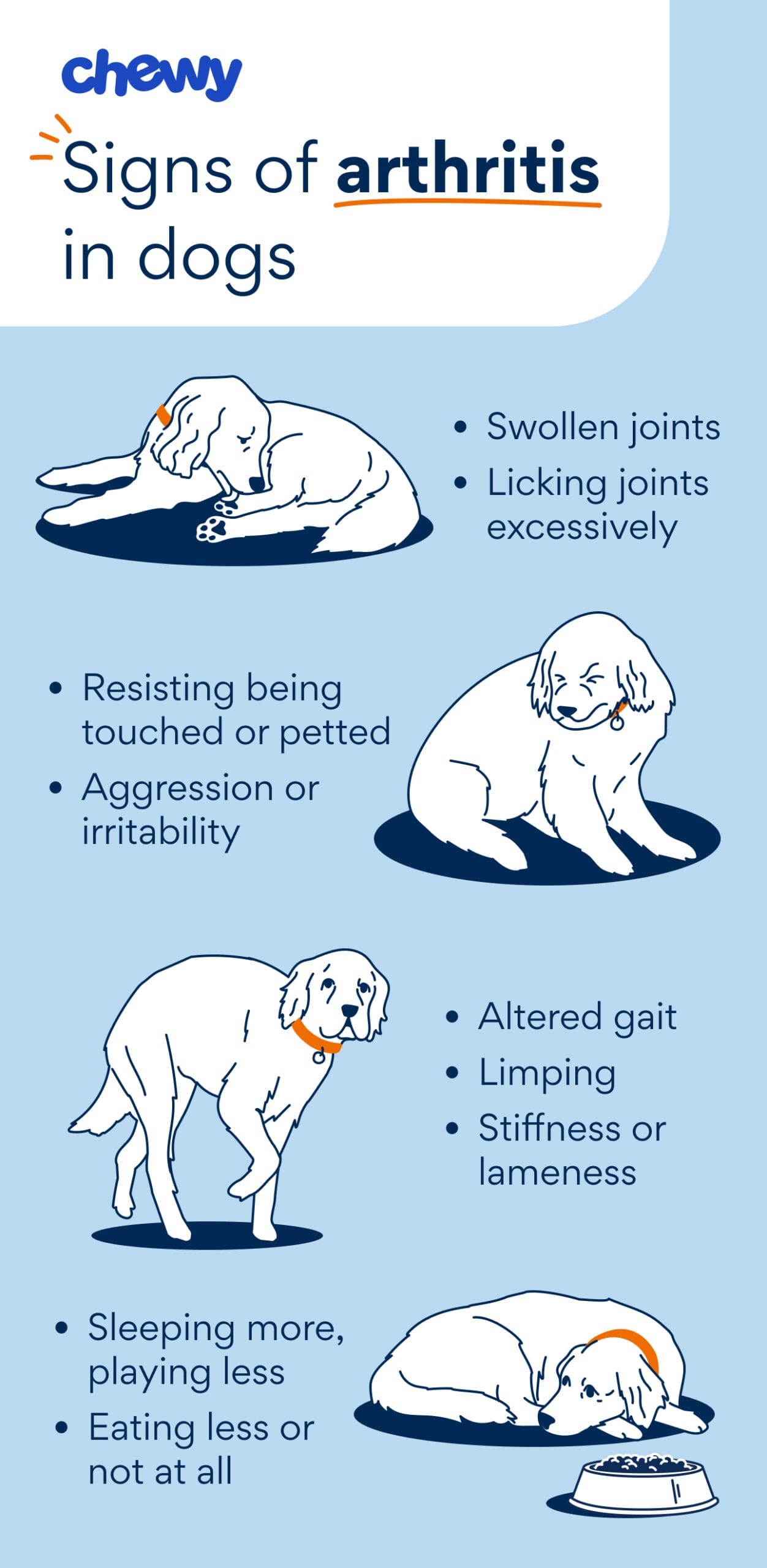
Arthritis, specifically osteoarthritis, is a prevalent condition among dogs, stemming from various factors including injury, developmental issues, or the natural wear and tear of aging. This painful ailment is characterized by abnormal changes within a dog’s joints, leading to chronic inflammation. Dogs affected by arthritis may experience anything from mild discomfort to severe pain, and as the condition typically worsens over time, prompt treatment is crucial for concerned pet owners.
While veterinarians often incorporate prescription pain relief and arthritis management medications into a dog’s treatment plan, sometimes supplemented by dietary adjustments, some pet parents seek alternatives to traditional pharmaceuticals. Fortunately, a range of natural treatments may offer relief for arthritis pain in dogs.
Recognizing the Signs of Arthritis in Your Dog
The manifestation of arthritis can vary significantly among dogs. According to Dr. Clay Bernard, TCVM, of Even Flow Veterinary and Acupuncture, the observable signs depend on the dog’s size, age, the duration of the condition, their individual tolerance for discomfort, immune system, and activity level.
Pet owners might notice their dogs exhibiting lameness, slower movements when rising from a resting position, or a reduced capacity for lengthy walks. Dogs with arthritis may also refrain from jumping on or off furniture and show reluctance to navigate stairs or engage in playful activities.
Dr. Jennifer Luna-Repose of Alternatives For Animals highlights that other indicators of arthritis can be more subtle. These may include increased sleeping duration, weight gain, diminished muscle mass, signs of depression, or a decreased appetite.
Environmental factors, such as temperature fluctuations, can also influence a dog’s response to arthritis. Pet parents might observe changes in their arthritic dog’s temperament, particularly when the animal is touched in sensitive areas.
If you suspect your dog has arthritis, a veterinary consultation is highly recommended. Dr. Luna-Repose emphasizes that even seemingly obvious signs of arthritis could be indicative of other medical conditions, underscoring the importance of a professional diagnosis.
Exploring Natural Treatments for Canine Arthritis Pain
While veterinary expertise is paramount, it’s worth noting that prescribed pain medications for arthritis can sometimes have adverse effects. Dr. Darla Rewers, DVM, of the Ancient Arts Holistic Veterinary Team, explains that arthritis medications can potentially harm a dog’s internal organs.
“Dogs on arthritis pain meds often need regular bloodwork to check liver and kidney values. NSAIDs and steroids can cause stomach ulcers, too,” she states. This underscores why natural treatments are a valuable alternative for many pet owners.
Herbal and Supplemental Support for Canine Arthritis
The selection of natural arthritis products for dogs is diverse and should be tailored to individual needs. A wide array of alternative medications and dog supplements are available. It is advisable to consult with a holistic veterinarian or one trained in Traditional Chinese Veterinary Herbal Medicine before administering any herbs or supplements to your pet.
Notable Chinese herbal formulas employed to assist with arthritis in dogs include Ligusticum, recognized for its natural pain-relieving properties, and Corydalis, which helps alleviate aches and discomfort. The formula “Hindquarter Weakness” is an herbal blend designed to strengthen the hind legs of animals.
Dr. Bernard further notes, “The ancient Indian herbs, turmeric and boswellia are fantastic anti-inflammatories.” He also points to omega-3 fatty acids found in sources like krill, sardines, or flaxseed oils as beneficial. Supplements containing glucosamine, chondroitin, and MSM are valuable for preserving and nourishing the cartilage that becomes damaged in arthritic joints. As a natural preventative measure, Dr. Luna-Repose suggests bone broth as an economical option to support cartilage health and joint protection in dogs.
Veterinary Acupuncture as a Natural Option
Dr. Luna-Repose also recommends veterinary acupuncture as a potential avenue for naturally alleviating arthritis pain in pets. She explains that acupuncture stimulates nerves, enhances blood circulation, eases muscle spasms, and triggers the release of hormones such as endorphins, which act as the body’s natural pain relievers, and cortisol, a natural steroid. Furthermore, the procedure is generally well-tolerated and nearly pain-free for dogs.
Dr. Bernard observes that dogs undergoing acupuncture treatments for arthritis pain typically begin to experience benefits after several sessions, with the effects becoming more sustained over time as the body rebalances.
Additional Natural Therapies for Arthritis Management
Beyond herbs, supplements, and acupuncture, some veterinarians suggest low-level laser therapy to help manage arthritis pain in dogs. This treatment, according to Dr. Luna-Repose, utilizes specific light wavelengths to produce therapeutic effects, including accelerated wound healing, pain reduction, improved circulation, and decreased swelling.
Dr. Luna-Repose also mentions the FDA-cleared Assisi Loop, which operates similarly to laser therapy but can be used at home by pet owners under prescription. It employs targeted Pulsed Electromagnetic Field Therapy (tPEMT) to support the body’s natural anti-inflammatory processes by enhancing nitric oxide production, thereby aiding in the healing of soft and hard tissues. Other complementary therapies commonly recommended for dogs with arthritis include Transcutaneous Electrical Stimulation (TENS) and extracorporeal shock wave therapy.
Canine massage therapy or enrollment in aquatic therapy and other forms of physical rehabilitation may also be beneficial for relieving arthritis pain. Pet parents can engage professional canine massage therapists or learn massage techniques for home application. Dr. Luna-Repose indicates that massage therapy can improve circulation, mitigate the effects of stress, release endorphins, and reduce trigger points in dogs. The buoyancy provided by water in aquatic therapy allows arthritic dogs to remain active and build muscle while swimming or utilizing an underwater treadmill.
The Critical Role of Diet and Weight Management
For any chronic inflammatory condition, a healthy and balanced diet is fundamental to recovery and management. This is particularly true given the strong link between canine obesity and arthritis.
“I always recommend fresh, species-specific food for my patients, like raw or home-cooked diets,” states Dr. Bernard. “Probiotics are a must since inflammation in the body often starts with how well food is received by the gut bacteria.” It is important for pet owners to consult their veterinarians before initiating raw or home-cooked diets, as some of these preparations have been associated with bacterial contamination and/or nutritional deficiencies.
Maintaining your dog’s activity level is also essential for weight control, a key aspect of managing arthritis pain. Dr. Rewers emphasizes, “A heavy body weight means more pressure on the joints.” Even if your dog experiences mobility challenges, incorporating short, frequent walks or engaging in indoor games like hide-and-seek can help keep them active.
Any pet parent considering natural arthritis treatments that involve dietary or lifestyle modifications should always consult with a trusted veterinarian to establish the most appropriate pain management and treatment plan for their dog.
