
Managing your dog’s pain, whether from injury, surgery, or age-related conditions like arthritis, is a top priority for any pet owner. While your veterinarian may prescribe Non-Steroidal Anti-Inflammatory Drugs (NSAIDs) to alleviate discomfort and inflammation, these medications can come with significant health risks. Common side effects include digestive upset, liver and kidney toxicity, and even worsening joint damage. Newer medications, like the injectable Librela for osteoarthritis, also carry serious potential risks. Fortunately, a wealth of natural alternatives exists in the form of herbs, offering effective pain and inflammation relief with a much better safety profile. For those seeking to manage chronic pain or looking for safer options, exploring flea and tick control for dogs is just one aspect of comprehensive care, and natural pain relief is another vital consideration.
Top 10 Herbs for Natural Pain Relief in Dogs
When your dog is experiencing joint pain or inflammation, turn to these proven herbs known for their analgesic and anti-inflammatory properties. Many are readily available or included in specialized canine herbal blends.
Turmeric (Curcuma longa)
A member of the ginger family, turmeric is the vibrant spice that lends its color to curry. This potent root is highly effective for pain relief and boasts significant anti-inflammatory and antioxidant benefits. Long revered in Ayurvedic medicine for treating arthritis and other pain conditions, turmeric and its active compound, curcumin, have garnered widespread recognition in Western medicine for their benefits across a spectrum of health issues. You can incorporate fresh turmeric root, grated into your dog’s food, or opt for turmeric supplements, preferably from a health food store. Many joint care supplements for dogs also feature turmeric or curcumin. Be mindful that turmeric can stain, so keep it away from light-colored fabrics and furnishings.
Comfrey (Symphytum officinale)
Comfrey has a rich history in traditional healing practices for a variety of ailments, from pain and digestive issues to more serious conditions. Its primary healing compound, allantoin, accelerates cell reproduction. Rosmarinic acid and other constituents in comfrey contribute to its anti-inflammatory and pain-relieving effects, making it a valuable herb for managing joint pain. For internal use, a dosage of ½ to 1 tsp of dried herb per pound of food is recommended. Comfrey can also be applied topically as a poultice. To prepare, soak a handful of leaves in boiling water, wring out excess liquid, let it cool slightly, and apply as a warm compress to the affected area. While comfrey contains pyrrolizidine alkaloids (PAs), which can be harmful in large quantities, experienced herbalists generally consider it safe for short-term use, especially when using only the leaves, which have a lower PA concentration than the roots. Avoid internal use in pregnant or lactating dogs, or those with pre-existing liver conditions.
Boswellia (Boswellia serrata)
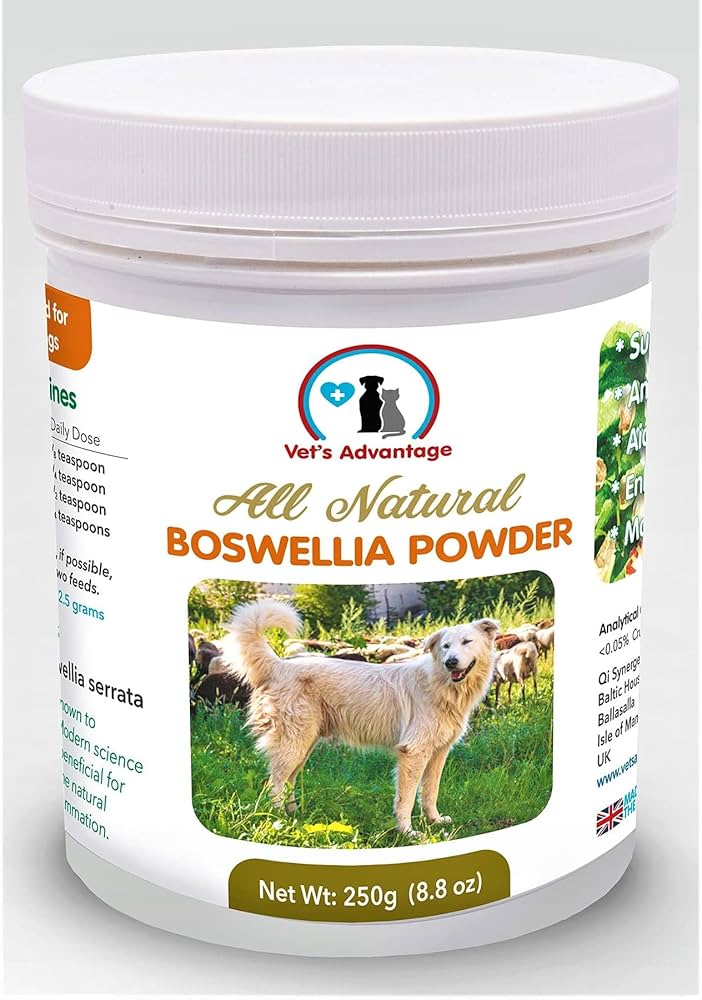
Boswellia, also known as frankincense, is a resin derived from tree bark. Its active compounds inhibit the production of leukotrienes, which are key contributors to inflammation. It is particularly effective for arthritis pain and inflammation and is often used in conjunction with turmeric in Ayurvedic medicine. A Swiss study published in 2004 demonstrated that Boswellia significantly reduced clinical signs of arthritis in 71% of participating dogs after six weeks of treatment. Boswellia is a common ingredient in herbal pain and anti-inflammatory remedies. When using human products, adjust the dosage based on your dog’s weight. For standalone use, administer 5 to 10 mg of Boswellia per pound of body weight daily, preferably with food. Some dogs in the aforementioned study experienced mild diarrhea and flatulence, though a direct link to the herb was not definitively established. Be aware that Boswellia powders can sometimes contain silicon dioxide; opting for a tincture may reduce this risk. Due to overharvesting, ensure your Boswellia is sourced sustainably.
Licorice (Glycyrrhiza glabra)
The root of the licorice plant, a member of the pea family, possesses medicinal properties beneficial for arthritis. Numerous studies have confirmed its efficacy as a fast-acting anti-inflammatory agent. Some herbalists believe its primary component, glycyrrhizin, enhances the activity of other herbs in compounded formulas. Glycyrrhizin’s chemical structure is similar to corticosteroids but without the immunosuppressive side effects. A low-alcohol tincture is a suitable method for administering licorice, starting with 12 to 20 drops per 20 lbs of body weight twice daily. Licorice root tea can also be prepared. Use licorice for periods of two weeks at a time and consult a professional for longer-term use. It should not be used in diabetic, pregnant, or nursing dogs.
Devil’s Claw (Harpagophytum procumbens)
This African plant is recognized for its potent anti-inflammatory, analgesic, and tonic properties. Its primary constituent, harpagoside, can rapidly alleviate pain and reduce inflammation, making it highly effective for arthritis and muscle pain. Human clinical studies have shown its success in treating lower back pain, arthritis, and rheumatism. When using Devil’s Claw, typically sold as a human product, adjust the dosage for your dog’s weight. Avoid use in diabetic, pregnant, or lactating dogs. Devil’s Claw may interact with certain pharmaceutical drugs, so consult your veterinarian if your dog is on other medications.
Ginger (Zingiber officinalis)
While widely known for its digestive benefits, ginger also plays a role in easing arthritis pain by inhibiting the production of inflammatory leukotrienes. It can also improve circulation, which is particularly helpful for older dogs with reduced mobility. Finely mince fresh ginger root (after peeling) and add it to your dog’s food, with suggested amounts varying by breed size. The flavor is strong, so start with a smaller dose. Ginger can thin the blood, so avoid it before surgery or if your dog is on anticoagulant drugs. It may also lower blood sugar and blood pressure, so consult your vet if your dog has diabetes or heart conditions.
Yucca (Yucca schidigera)
The root of this desert plant offers numerous nutritional and medicinal benefits, including steroidal saponins that provide safe and effective relief from joint pain and inflammation. Unlike synthetic corticosteroids, these natural phytosterols are very safe in moderation. Many holistic veterinarians report high success rates for yucca in easing osteoarthritis and rheumatoid arthritis. Administer ½ tsp of dried, powdered root per pound of food daily, or use a low-alcohol tincture at a rate of 1/8 tsp per 20 lbs of body weight daily. Yucca pairs well with licorice, dandelion, and alfalfa for arthritis management. Yucca can cause digestive upset if used continuously; incorporating a two-day break each week can prevent this.
Alfalfa (Medicago sativa)
Alfalfa provides a broad spectrum of nutritional benefits and is considered an excellent treatment for arthritis, safe for long-term daily use to ease joint discomfort and support older dogs. It complements well with dandelion, yucca, and licorice. It’s advisable to purchase certified organic alfalfa due to the prevalence of genetically modified crops. Add a pinch of dried herb per 10 lbs of body weight to your dog’s food daily. Avoid alfalfa seeds, as they contain l-canavanine, which can cause blood disorders. Though rare, alfalfa can trigger allergic reactions in pollen-sensitive animals.
Horsetail (Equisetum arvense)
Horsetail is renowned for its ability to heal bone and connective tissue injuries due to its bioactive silicon content, essential for the formation of bone, cartilage, and skin. It can aid in the recovery from joint and bone injuries, as well as post-surgical trauma. For joint issues, it combines effectively with comfrey, nettle, glucosamine, and chondroitin supplements. Administer ¼ tsp of tincture daily per 20 lbs of body weight. Do not use horsetail in dogs with hypertension or cardiac disease, or for lactating dogs, as it may alter milk flavor.
Cayenne (Capsicum spp)
Derived from hot chili peppers, cayenne’s active compound, capsaicin, can block pain and enhance circulation to joints and connective tissues, making it a potent pain reliever. Topical ointments containing capsicum can also be applied to painful areas to reduce discomfort and stimulate the body’s natural anti-inflammatory response. For internal use, cayenne is often found in gel capsules or can be added as a small pinch to your dog’s food.
Exploring these natural herbal remedies can empower you to manage your dog’s pain effectively and safely. By understanding these alternatives, you can feel confident in choosing natural solutions and potentially declining prescriptions for medications like NSAIDs when a gentler approach is preferred.
