
When our canine companions experience muscle discomfort or stiffness, it’s natural to seek gentle and effective solutions. While synthetic medications have their place, many pet parents are increasingly exploring Natural Muscle Relaxer For Dogs options. This approach not only aims to alleviate discomfort but also supports overall well-being without the potential side effects sometimes associated with pharmaceutical interventions. As experts in canine care, we understand the importance of providing comprehensive and trustworthy information.
Understanding Canine Muscle Discomfort
Before delving into natural remedies, it’s crucial to recognize the signs that your dog might be experiencing muscle pain or stiffness. These can manifest in various ways, and understanding them is the first step toward finding the right solution.
- Limping or Hesitation: A subtle limp, reluctance to jump, or difficulty rising after rest can indicate muscular or joint pain.
- Decreased Activity Levels: A previously energetic dog who now prefers to lie down or shows less enthusiasm for walks or play may be experiencing discomfort.
- Changes in Posture: A hunched back, unusual gait, or an unwillingness to hold certain positions can signal muscle strain or pain.
- Excessive Licking or Chewing: Dogs may repeatedly lick or chew at a particular area, indicating localized discomfort or irritation.
- Irritability or Withdrawal: Pain can affect a dog’s mood, leading to increased irritability, snapping when touched, or a tendency to hide.
- Vocalization: Whimpering, yelping, or groaning, especially when moving or being touched, are clear indicators of pain.
If you observe any of these signs, it’s essential to consult with your veterinarian. They can diagnose the underlying cause of your dog’s discomfort and recommend the most appropriate course of action, which may include exploring natural muscle relaxers.
Top Natural Muscle Relaxer for Dogs Strategies
There’s a growing array of natural approaches to help soothe your dog’s sore muscles. These can be broadly categorized into home-based therapies, beneficial supplements, and complementary veterinary treatments.
1. Home-Based Comfort Strategies
Simple yet effective methods can often provide immediate relief and support muscle recovery right in your own home.
Gentle Massage Therapy
Just as massage can benefit humans, it can work wonders for our canine friends. A gentle massage can improve blood circulation to the affected muscles, helping to reduce stiffness, alleviate pain, and promote relaxation.
- Professional Guidance: For optimal results, consider seeking a canine massage therapist or a veterinary rehabilitation professional. They possess the expertise to safely and effectively manipulate your dog’s tissues.
- At-Home Practice: You can learn basic massage techniques to use at home. Start with broad, sweeping strokes, then gently knead the muscles. Always pay attention to your dog’s cues; if they show signs of discomfort or resistance (growling, pulling away), stop the massage. Consulting your vet for specific instructions tailored to your dog’s needs is highly recommended.
 A dog receiving a gentle massage on its back by its owner
Targeted Cold Therapy
Cold therapy, similar to its use in human sports medicine, can be an effective natural muscle relaxer for dogs, particularly for acute injuries or inflammation. Applying a cold pack can help reduce muscle spasms, decrease swelling, and numb discomfort.
- Safe Application: Always use a barrier, such as a towel or shirt, between the ice pack and your dog’s skin to prevent frostbite.
- Duration: Limit cold therapy sessions to about 15 minutes at a time and repeat every 6-8 hours as needed. Monitor your dog for any signs of discomfort.
Maintaining a Healthy Body Weight
Excess weight puts significant strain on a dog’s muscles and joints, exacerbating any existing discomfort. Keeping your dog at a healthy weight is a fundamental aspect of natural pain management.
- Body Condition Score (BCS): Consult your veterinarian to determine your dog’s ideal body condition score. Even a small amount of weight loss can significantly reduce the load on painful muscles and joints, leading to greater comfort.
- Weight Management Plan: Work with your vet to develop a safe and effective weight loss plan, which may involve dietary adjustments and appropriate exercise.
Appropriate Exercise
While rest is sometimes necessary, regular, appropriate exercise is crucial for maintaining muscle strength and flexibility. Stronger muscles provide better support for joints, reducing strain and pain.
- Consult Your Vet: For dogs with existing muscle or joint issues, discuss the type and duration of exercise that is best. Activities like controlled walking, swimming (hydrotherapy), or gentle range-of-motion exercises can be beneficial.
- Gradual Progression: Avoid overexertion. Gradually increase the intensity and duration of exercise to prevent soreness and injury.
2. Beneficial Supplements for Muscle Relaxation
Several natural supplements have demonstrated efficacy in supporting muscle health and reducing discomfort in dogs.
Omega-3 Fatty Acids
Rich in EPA and DHA, omega-3 fatty acids possess potent anti-inflammatory properties. These fatty acids can help reduce inflammation in muscles and joints, thereby alleviating pain and stiffness. They are also beneficial for skin and coat health, as well as cognitive and cardiac function.
- Sources: Fish oil supplements derived from cold-water fish are a common and effective source of omega-3s.
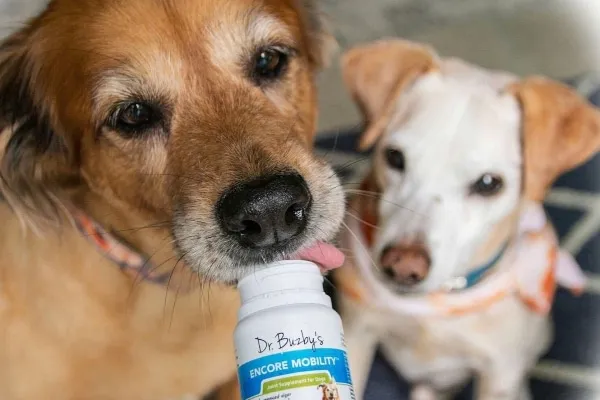 A close-up of a bottle of fish oil supplement for dogs
Green-Lipped Mussel
Sourced from New Zealand, green-lipped mussels are packed with omega-3 fatty acids and other compounds that exhibit significant anti-inflammatory and joint-supporting benefits. They can help reduce pain and inflammation and provide building blocks for cartilage repair.
Deer Velvet
New Zealand deer velvet, the immature stage of antler growth, is another natural supplement with a long history of use in traditional medicine. It contains compounds like IGF-1, which can promote cartilage growth and tissue healing, making it beneficial for muscle and joint discomfort.
Glucosamine and Chondroitin
These naturally occurring compounds are essential components of cartilage. Supplements containing glucosamine and chondroitin can help protect and repair cartilage, reduce inflammation, and slow the progression of joint diseases like arthritis, indirectly benefiting muscle strain.
Herbal Medications
Certain herbs have been traditionally used for their anti-inflammatory and analgesic properties. Consulting with a veterinarian trained in Traditional Chinese Veterinary Medicine (TCVM) can help identify specific herbs or combinations that may be suitable for your dog’s needs.
3. Complementary Veterinary Therapies
For more persistent or severe discomfort, advanced complementary therapies offered by veterinary professionals can provide significant relief.
Physical Therapy and Rehabilitation
Veterinary physical therapists can design tailored exercise programs to strengthen weakened muscles, improve range of motion, and promote recovery from injuries or surgery. This often includes exercises that help dogs regain function and reduce reliance on pain medication.
Hydrotherapy (Aquatic Therapy)
The buoyancy of water reduces stress on joints and muscles, allowing dogs to exercise more comfortably. The resistance of the water also helps build muscle strength. Underwater treadmills and therapy pools are commonly used for rehabilitation.
Acupuncture
Acupuncture involves the insertion of fine needles into specific points on the body, stimulating healing responses, reducing pain, and decreasing inflammation. It is a safe and effective option with no systemic side effects.
Laser Therapy
Therapy lasers use a beam of light to penetrate deep tissues, promoting healing, reducing pain and inflammation, and encouraging tissue regeneration. It’s a non-invasive treatment that can be customized to each dog’s needs.
Platelet-Rich Plasma (PRP) Therapy
This regenerative medicine technique uses a dog’s own platelets, concentrated from a blood sample, and injected into the injured area. Platelets contain growth factors that accelerate healing in damaged tissues, ligaments, and joints.
When to Seek Veterinary Guidance
While natural remedies can be incredibly effective, it’s crucial to remember that natural muscle relaxer for dogs should always be discussed with your veterinarian. They can:
- Diagnose the Root Cause: Ensure the muscle discomfort isn’t a symptom of a more serious underlying condition.
- Recommend Appropriate Options: Advise on which natural remedies are best suited for your dog’s specific condition, breed, and overall health.
- Monitor Progress: Oversee your dog’s response to treatment and adjust the plan as needed.
- Integrate Therapies: Sometimes, a combination of natural and conventional treatments may provide the most comprehensive pain relief.
By working closely with your veterinarian, you can create a personalized plan to keep your canine companion comfortable, active, and enjoying life to the fullest.
