
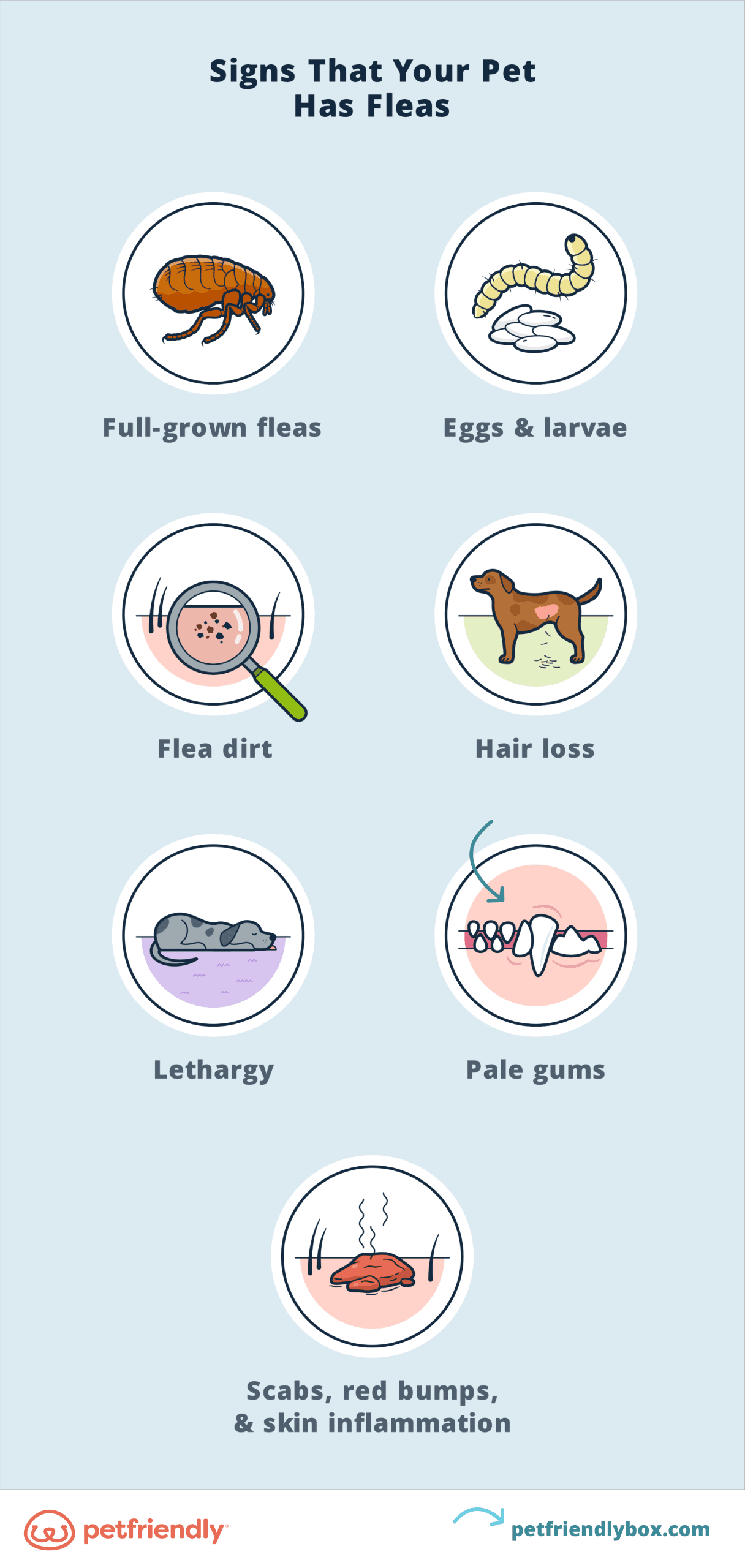
Fleas on dogs are a common and distressing problem for pet owners, causing significant discomfort for our canine companions. Beyond the itchiness and irritation, untreated flea infestations can lead to more serious health concerns. As responsible pet parents, it’s vital to address these persistent pests promptly and effectively. This article explores nine proven home remedies to help you combat fleas and alleviate your dog’s discomfort.
Understanding the flea life cycle is fundamental to controlling infestations. Fleas go through four distinct stages: eggs, larvae, pupae, and adults. Adult fleas lay eggs on the dog, which then fall into the environment, hatching into larvae that feed on debris. These larvae develop into pupae, eventually emerging as adult fleas ready to infest your pet again. Effective control requires targeting each stage to break the reproductive cycle. Dogs typically contract fleas from infested environments such as pet bedding, carpets, or upholstery, and through contact with infested animals or outdoor areas, including dog parks and kennels. Flea bites can cause intense itching, leading to scratching, biting, and skin damage. Some dogs develop flea allergy dermatitis, a severe allergic reaction to flea saliva. In severe cases, particularly in puppies or immunocompromised dogs, flea infestations can lead to anemia.
Preventing flea infestations is the first line of defense. A proactive approach involving regular grooming, vacuuming, and cleaning your dog’s bedding can significantly reduce the risk. Using a fine-toothed flea comb during grooming can help remove adult fleas and eggs, and dipping the comb in soapy water can drown them. Thoroughly vacuuming your home, especially areas where your dog spends time, helps remove flea eggs, larvae, and pupae. Washing your dog’s bedding in hot water with a flea-killing detergent is also crucial. Environmental controls, such as using natural nematodes in your yard, can help reduce flea larvae populations. Regularly scheduled veterinary check-ups are essential for overall health and to discuss the best flea prevention strategies, which may include spot-on treatments, collars, shampoos, or oral medications. Maintaining a clean and clutter-free home minimizes hiding spots for fleas. Consider natural repellents like diluted essential oils (peppermint or lavender) with a carrier oil, after consulting your veterinarian. Consistency in these preventive measures is key to long-term flea control. Exploring options like cheapest flea tick and heartworm prevention for dogs can be part of a comprehensive prevention plan.
Natural Home Remedies for Fleas on Dogs
While commercial treatments are available, many owners seek safer, natural alternatives. Here are ten effective home remedies for flea control:
1. Lemon Bath
Lemons contain natural acids that repel fleas and can soothe itchy skin. To prepare a lemon bath, steep sliced lemons in hot water overnight. Strain the mixture and add it to your dog’s bathwater. Bathe your dog as usual, massaging the solution into their coat, and rinse thoroughly. Monitor your dog’s skin for any irritation, and consult your veterinarian if adverse reactions occur.
2. Apple Cider Vinegar Spray
Apple cider vinegar (ACV) creates an acidic environment that deters fleas and calms the skin. Mix equal parts ACV and water in a spray bottle. After bathing your dog, lightly spray their coat and gently massage it in, allowing it to air dry. This can be used once or twice weekly. If your dog shows sensitivity, discontinue use and consult your vet.
3. Rosemary Dip
Rosemary possesses natural flea-repelling properties. Steep fresh rosemary leaves in boiling water for several hours, then strain and cool the mixture. After bathing your dog, use this rosemary-infused water as a final rinse, allowing it to air dry. This method can help deter fleas. If irritation occurs, discontinue use and consult your veterinarian.
4. Herbal Flea Collar
Create a natural flea collar using dried herbs like lavender, rosemary, and pennyroyal. Place these dried herbs in a small fabric pouch and tie it securely around your dog’s neck. Regularly refresh the herbs to maintain effectiveness. Monitor your dog for any skin irritation or allergic reactions, and consult your veterinarian if issues arise.
5. Coconut Oil Rub
Coconut oil can suffocate fleas and moisturize your dog’s skin. Use high-quality coconut oil, gently warming it. Rub a small amount into your dog’s coat, focusing on areas prone to fleas. Leave it on, and repeat regularly for continued protection.
6. Diatomaceous Earth Powder
Food-grade diatomaceous earth is a natural powder effective in killing fleas by dehydrating them and damaging their exoskeletons. Lightly sprinkle the powder onto your dog’s fur, avoiding their eyes and nose, and let it sit for a few hours before brushing it out. Ensure you use food-grade DE and avoid inhalation. Consult your veterinarian if your dog has respiratory issues.
7. Neem Oil Spray
Neem oil, derived from the neem tree, acts as a natural insecticide. Dilute neem oil with water (follow product instructions or consult your vet for safe ratios) and spray it onto your dog’s coat. Massage the solution into the fur and let it air dry. Be aware that neem oil has a strong scent, though it fades. Consult your veterinarian if your dog has allergies.
8. Salt Treatment
Salt can be used to kill fleas and their eggs in your home environment. Sprinkle salt liberally on carpets, rugs, and your dog’s bedding. Allow it to sit for several hours or overnight, then vacuum thoroughly. This treatment is primarily for the environment.
9. Herbal Flea Spray
Similar to the herbal collar, a homemade herbal flea spray offers a pleasant-smelling alternative to chemical treatments. Prepare an herbal infusion using flea-repelling herbs like lavender, rosemary, or peppermint. Strain, cool, and transfer to a spray bottle. Spray onto your dog’s coat and massage it in. Allow it to air dry. As with other herbal remedies, monitor for sensitivities and consult your vet if necessary.
Ensuring a Flea-Free Life for Your Dog
These natural home remedies can be effective for mild to moderate flea problems. If you’re not seeing results, consider a pet shampoo containing tea tree oil or a dish soap-based bath. Remember that each dog and infestation is unique, so observe your dog’s response and adjust your approach accordingly. Consistency is paramount in combating fleas and maintaining a healthy environment.
For severe infestations or if your dog has underlying health conditions, professional veterinary guidance is essential. Veterinarians can offer tailored recommendations and prescribe appropriate treatments. As a holistic approach, consider incorporating CBD products for dogs, which may help soothe itching and skin discomfort. Exploring options like CBD for dogs or CBD dog chews can complement home remedies and veterinary care, promoting a happy and flea-free life for your canine companion. Consistent application of these strategies, combined with professional advice, will help ensure your dog’s well-being. For ongoing flea, tick, and heartworm prevention, researching best flea and tick and heartworm medicine for dogs is also recommended.
Sources:
Understanding the flea life cycle.
How dogs get fleas.
Lemon bath for flea relief.
Diatomaceous earth for flea control.
Neem oil for pest control.
CBD for pet health support.
